
What Buyers Actually Need From an Intake Manifold Supplier
An intake manifold supplier is not just a parts vendor. For engine builders, sourcing managers, and service teams, the real question is whether the supplier can deliver a manifold that fits, seals, and survives the job without creating a second repair ticket. That matters most on trucks and work vehicles, where a missed detail can mean idle complaints, air leaks, drivability issues, or a return visit that eats margin.
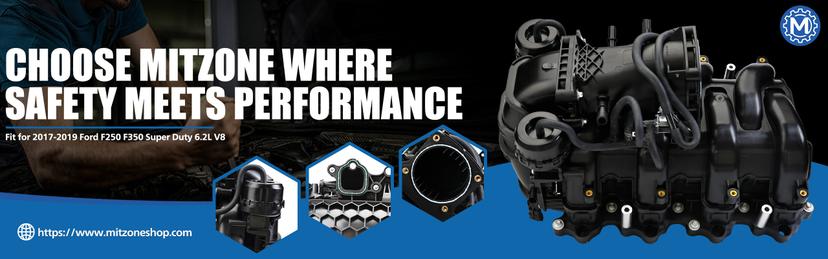
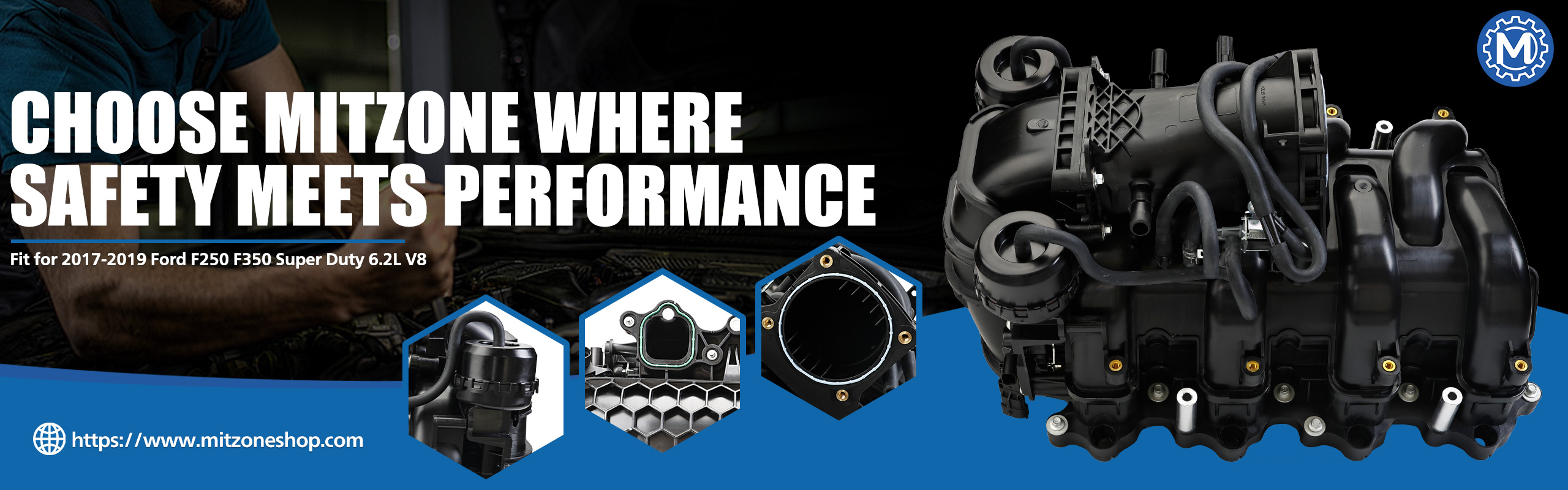
For the Ford Super Duty application reflected in the supplied product data, the part is positioned as a replacement automotive engine intake manifold for 2017-2019 Ford F250/F350 Super Duty 6.2L V8 models, with the listed part number range HC3Z9424E-HC3Z9424G. That fitment should be treated as vendor-supplied information unless you have your own catalog cross-check in hand, but it does tell the buyer what kind of decision is being made: a compatibility-sensitive replacement, not a generic universal part.
Why the Intake Manifold Matters
The manifold’s job is straightforward on paper. It distributes incoming air to the cylinders and helps the engine breathe evenly. In practice, the part has to do that while dealing with heat cycling, vibration, vacuum or pressure changes, and the packaging constraints of modern engine bays.
When an intake manifold cracks, warps, clogs, or leaks, the symptoms are often messy rather than dramatic. A technician may see rough running, loss of power, poor fuel economy, warning lights, or persistent sealing problems that return after a quick gasket swap. On fleet or dealer-facing work, that is where sourcing quality becomes a business issue rather than just a repair detail.
What the Supplied Part Appears to Be
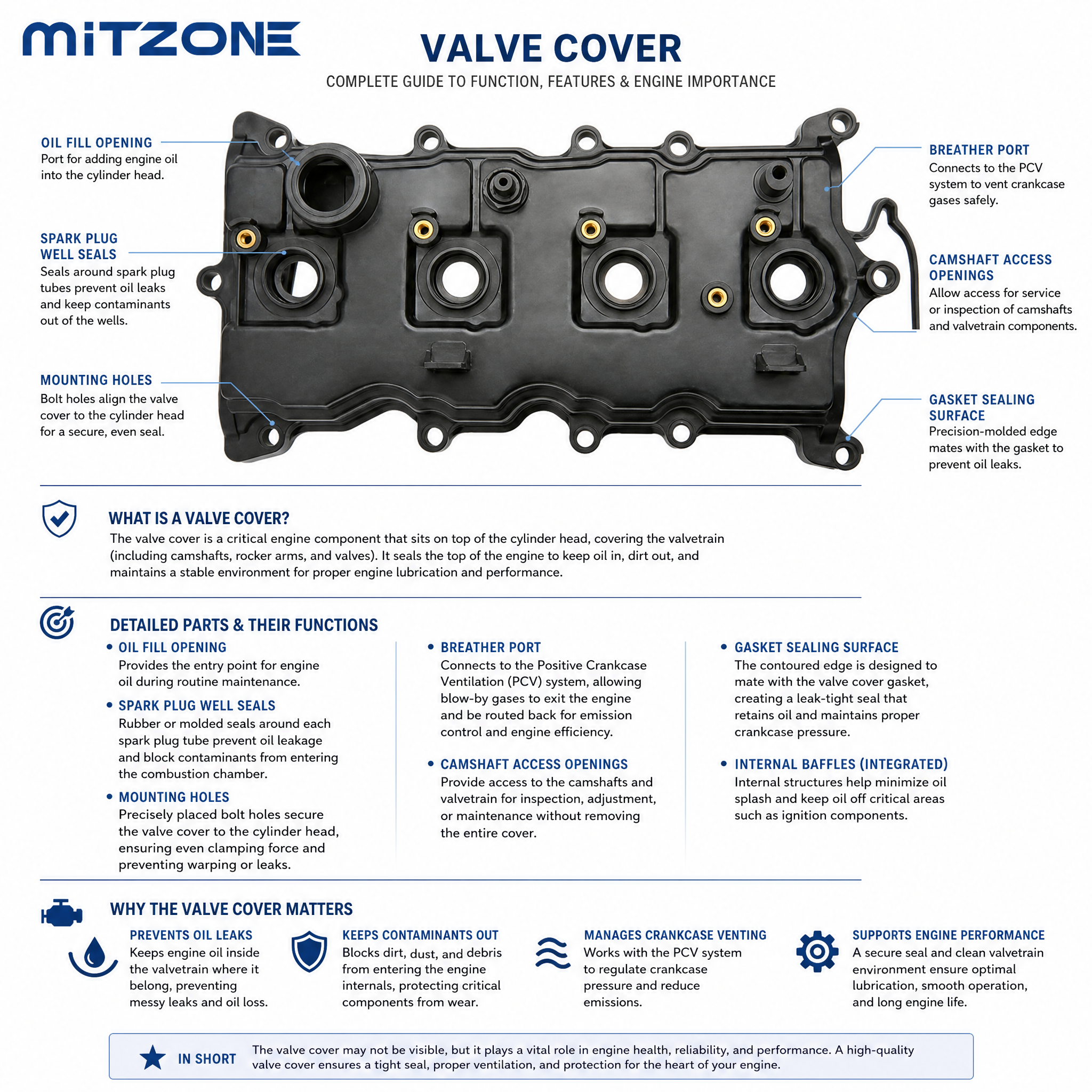
Based on the information provided, the manifold has a black molded body with multiple runner sections, rounded plenum-like chambers, integrated hose or port connections, mounting bosses, bolt holes, and gasket interfaces. The visible structure suggests a multi-piece housing with fasteners and reinforced sections. It appears to be a molded plastic or composite assembly with a smooth semi-gloss finish, though the exact material cannot be confirmed from the image alone.
That is the right place to be cautious. Buyers often assume a visual match means a direct interchange match. It does not. What matters is the whole package: port geometry, sealing surfaces, mounting pattern, and whether related components such as gaskets, sensors, or valves are included. None of those should be assumed unless the supplier states them clearly.
OEM Car Parts, Aftermarket, and Direct Factory Auto Parts
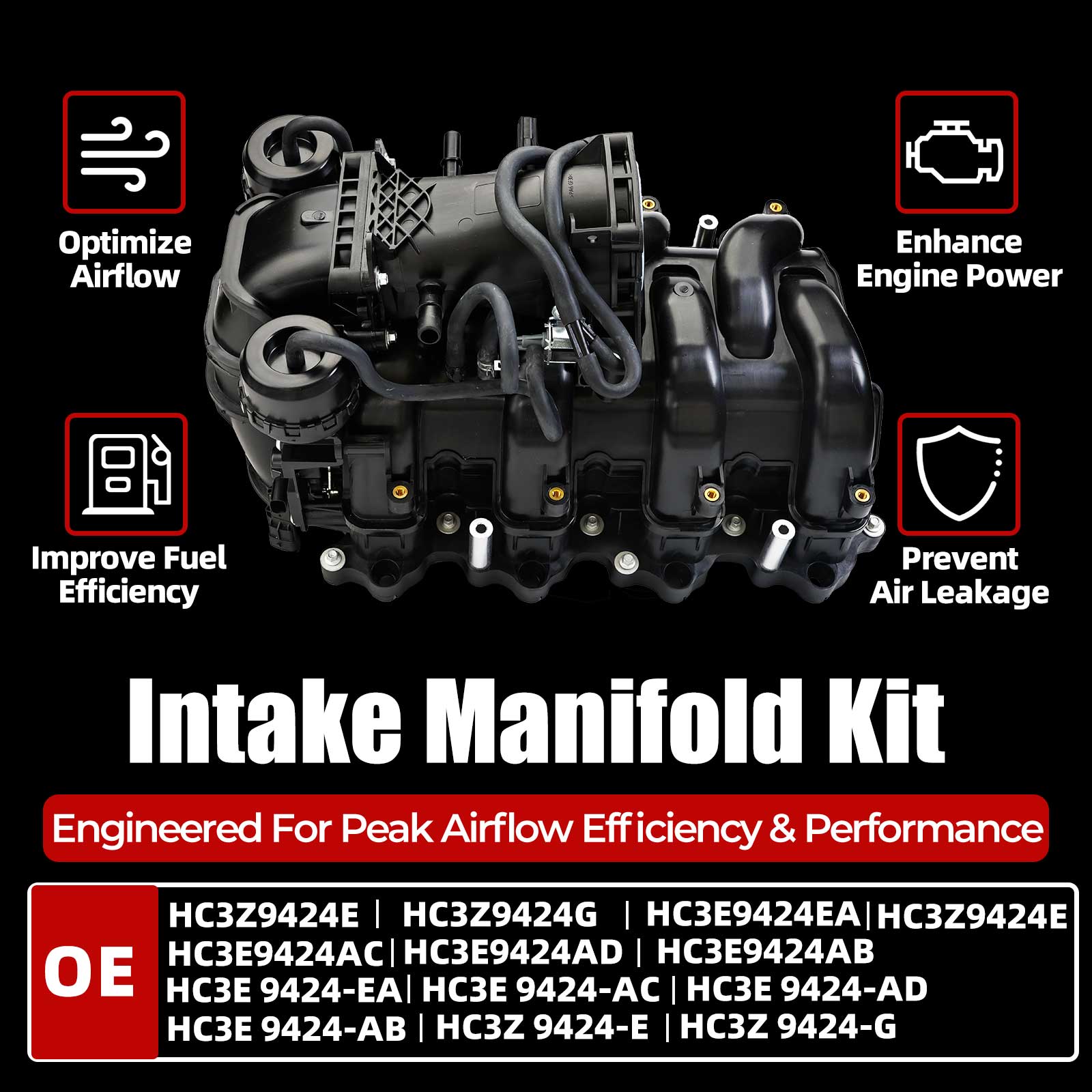
The sourcing language around this kind of part is often sloppy. Terms like OEM car parts and direct factory auto parts are used loosely, sometimes even interchangeably with replacement parts. A good buyer should slow that down and ask the supplier to define the product class plainly.
If a part is being sold as a replacement manifold for a late-model Ford Super Duty application, the practical questions are simple. Does it match the listed vehicle range. Does it carry the listed part number reference. Is it a complete assembly or manifold only. Is the fitment exact enough for the intended service channel. Those questions matter more than marketing labels.
The supplied product is branded Mitzone and the website shown is mitzoneshop.com. Beyond that, no deeper company claims should be invented here.
How to Evaluate an Intake Manifold Supplier
For this category, the best supplier is the one that reduces installation risk. That usually comes down to a short list of checks.
Confirm the application data against the vehicle build, not just the model name.
Ask for clear part-number mapping, especially when the listing spans a range such as HC3Z9424E-HC3Z9424G.
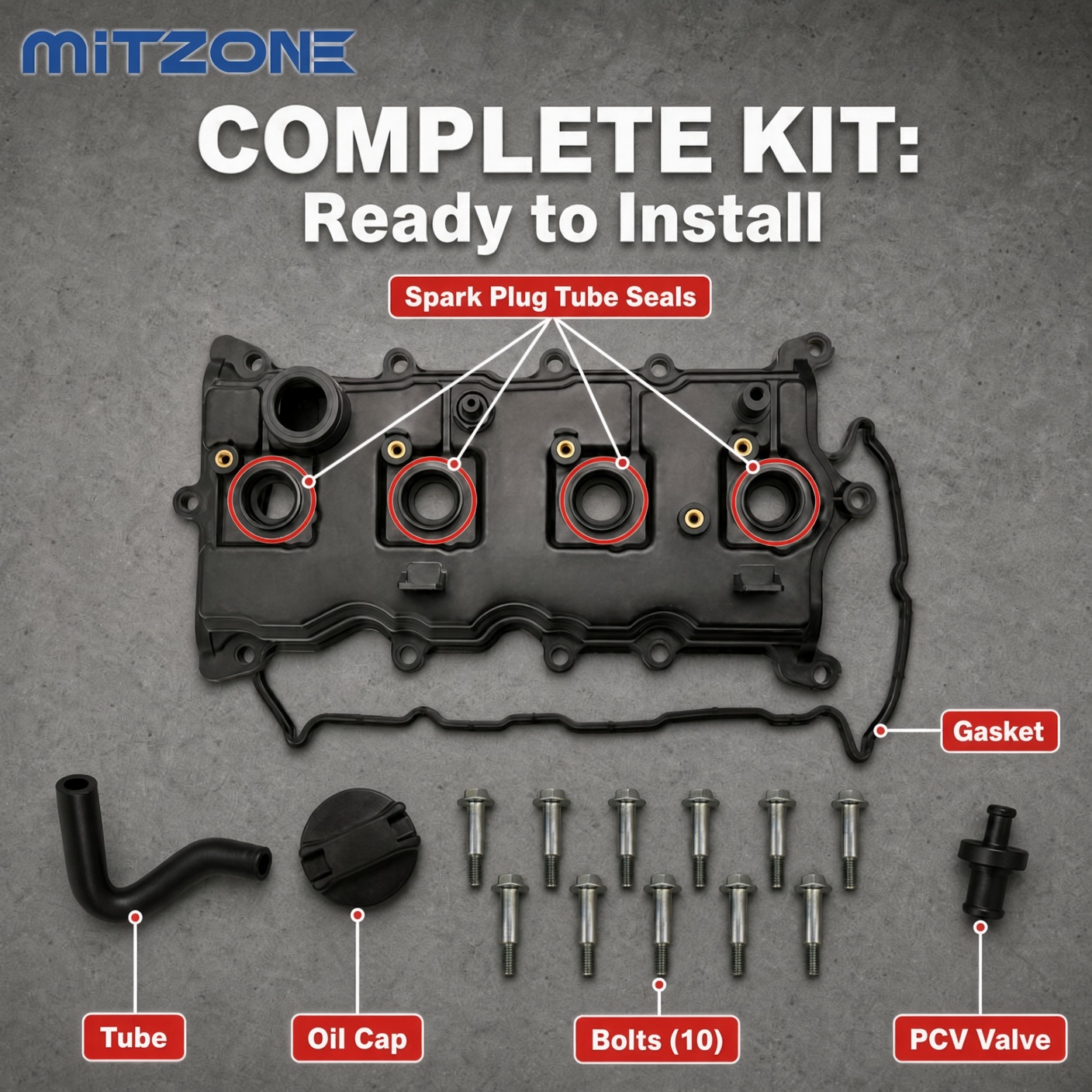
Verify what is included in the assembly. A buyer should not discover missing seals or ancillary parts on the lift.
Check the part finish and interface quality, since sealing surfaces and mounting points are where replacement parts either behave like production parts or create comebacks.
For exportor and distributor channels, documentation matters just as much as the hardware. A clean catalog entry, consistent labeling, and fitment notes that do not overpromise are worth more than exaggerated performance language.
Common Buying Mistakes
The most common mistake is treating all intake manifolds as visually interchangeable. They are not.
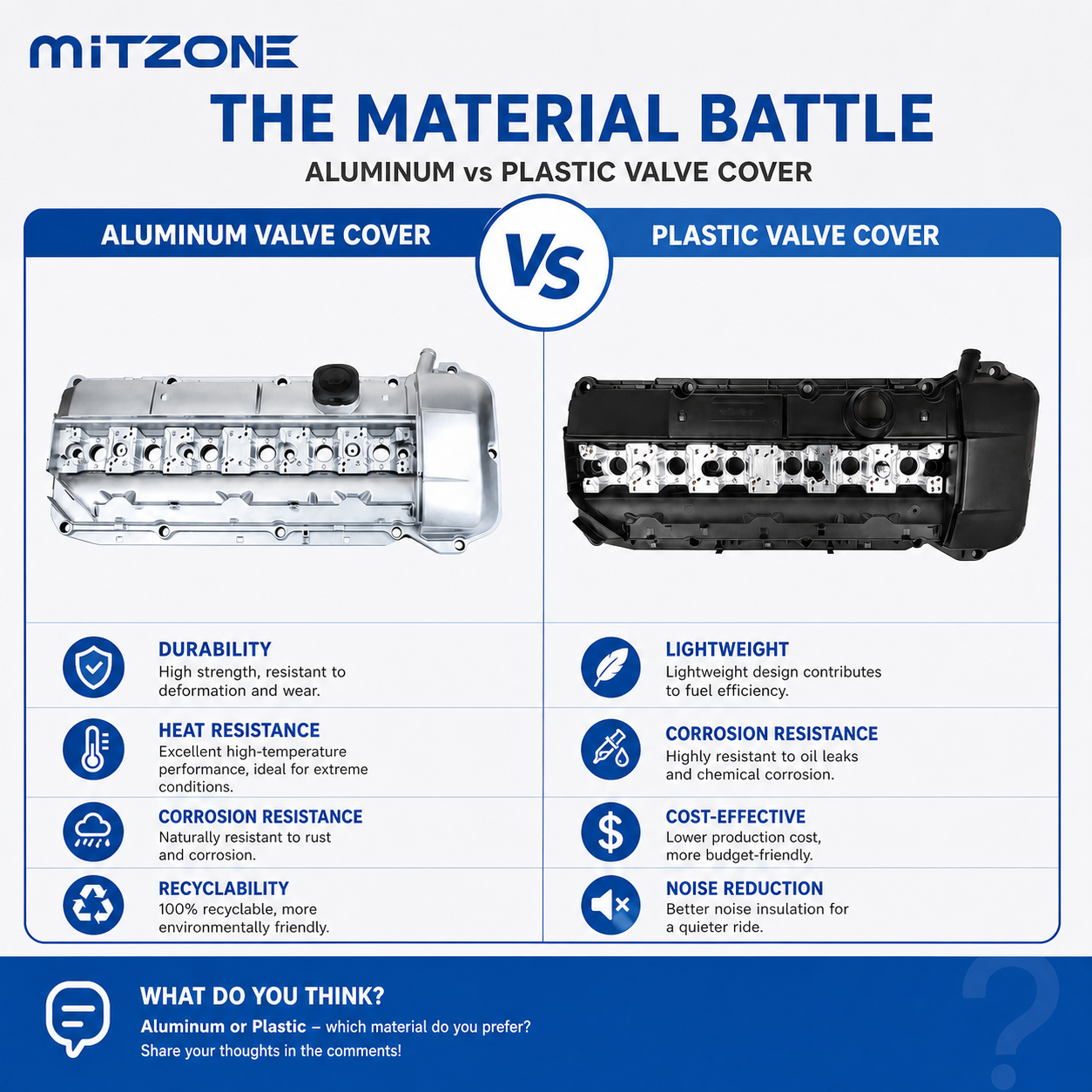
Another is assuming that a black molded housing is automatically an injection-molded plastic part with OEM-level equivalency. That may be true, but it still needs confirmation. The same caution applies to claims about internal runner design or flow performance. If the supplier does not provide verified data, do not build a purchasing decision around it.
A third mistake is overlooking the service context. A shop doing a one-off repair may tolerate a slightly different packaging process. A fleet buyer or parts distributor usually cannot.
Practical Buyer Advice
If you are sourcing this part for direct replacement, the safest approach is to validate the fitment against the exact truck and engine configuration, then confirm the part number reference, then ask what comes in the box. That sequence sounds basic, but it prevents most avoidable returns.
If you are comparing suppliers, ask whether they support direct factory auto parts language with actual catalog evidence or whether they are using it as a sales phrase. The difference shows up later, usually at the point of install.
Next Step
For a Ford Super Duty intake manifold replacement, the right supplier should give you clear fitment, honest part description, and enough product detail to avoid surprise at installation. Start with the vehicle application, verify HC3Z9424E-HC3Z9424G against your own records, and request a full inclusion list before ordering in volume.