
Why buyers look for a thermostat housing outlet supplier
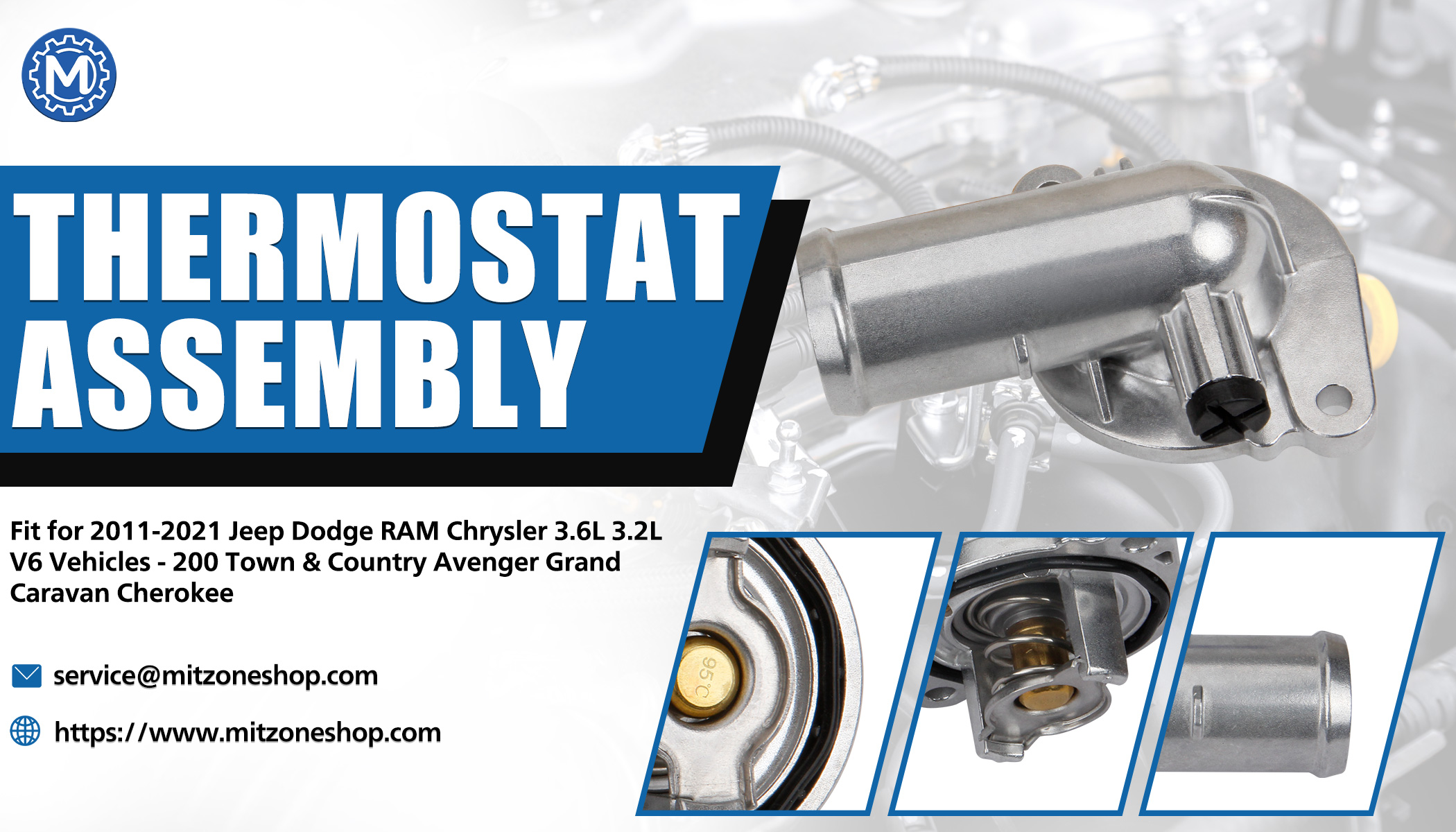
When a cooling system starts leaking, running hot, or showing a thermostat fault, buyers usually want one thing first: a reliable thermostat housing outlet supplier who can match the part to the vehicle without making the repair more complicated than it already is. That matters most on modern engine cooling systems, where the thermostat housing is not just a plastic cover or a simple bracket. It is the mounting body for the thermostat, the coolant passages, and sometimes a connected electrical component or sensor interface that affects serviceability.
For sourcing managers, repair shops, and parts distributors, the decision is not only about price. It is about fitment confidence, material quality, and whether the part will stand up to repeated thermal cycling in daily use. A cooling-system part can look straightforward on paper and still create headaches if the bolt pattern, connector layout, or sealing surface is off by a small amount.
What this thermostat housing assembly is used for
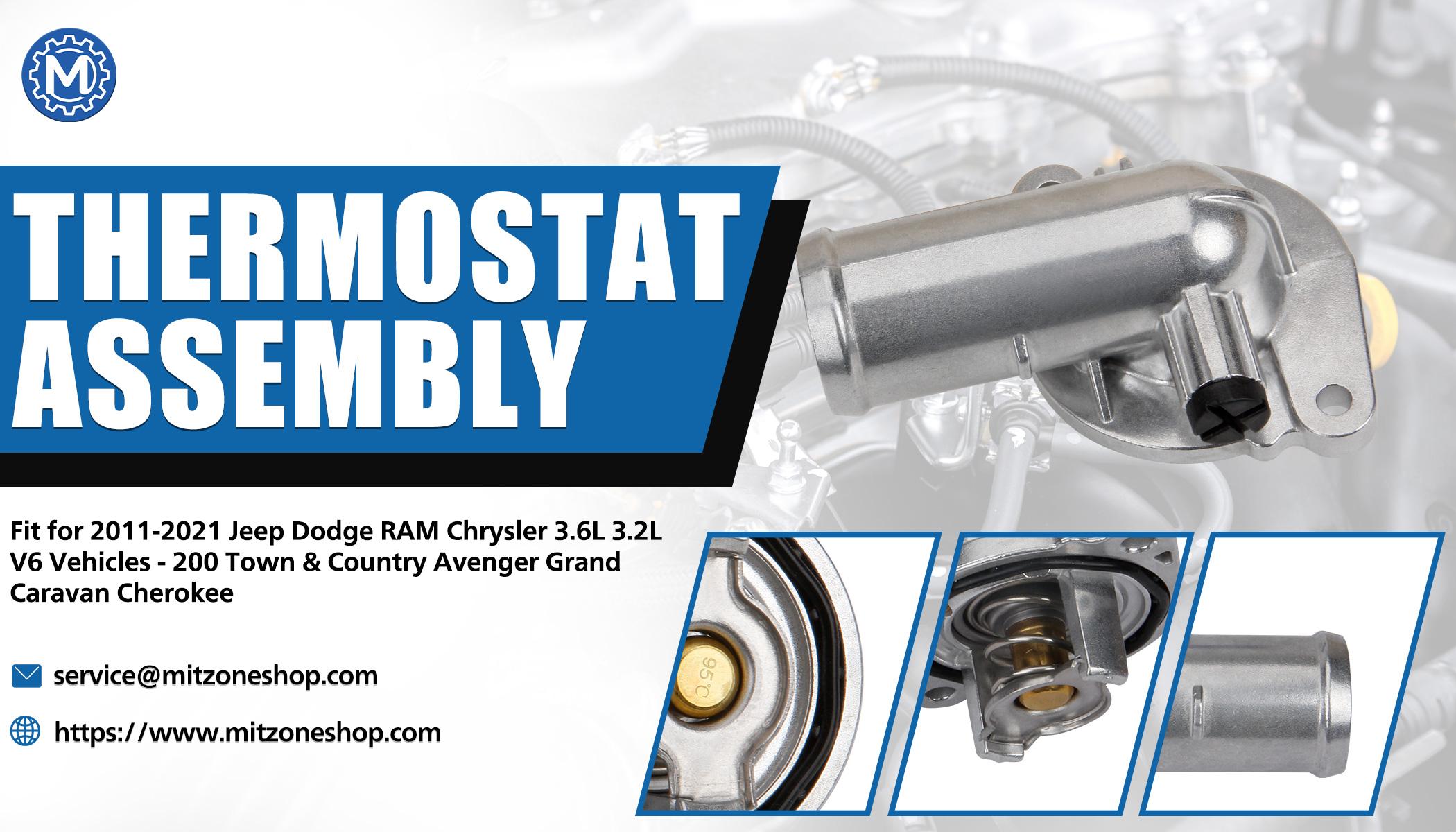
The product in focus is an automotive coolant thermostat housing / thermostat assembly for an engine cooling system. Its job is to regulate coolant flow so the engine can warm up properly and maintain operating temperature. The housing holds the thermostat in place and forms the coolant passage path. In practical terms, that means it sits right at the point where temperature control, sealing, and mechanical fit all meet.
The visible structure described in the product notes is a cylindrical metal housing with a flange or mounting plate, bolt hole(s), and a black plastic connector-like component on the side. The thermostat element is said to be inside the housing, and a 95°C marking is visible in the close-up image. I would treat that marking as a useful identifier, not a substitute for confirming the exact application and OE cross-reference.
Fitment matters more than appearance
One of the easiest mistakes in sourcing OEM car parts is assuming a housing that “looks right” will fit. Engine cooling parts are especially unforgiving. A slightly different flange shape, a mismatched outlet angle, or a connector positioned a few degrees off can stop a repair before it starts.
This part is noted as fitting 2011–2021 Jeep, Dodge, RAM, and Chrysler 3.6L and 3.2L V6 vehicles, including the 200, Town & Country, Avenger, Grand Caravan, and Cherokee. That is the kind of fitment detail buyers should insist on seeing in writing. For direct factory auto parts sourcing, vehicle coverage is not a marketing line; it is the first filter for whether the part belongs in your catalog or your repair bay.
Quick sourcing takeaways for distributors and repair buyers
If you are comparing suppliers, the useful questions are fairly simple:
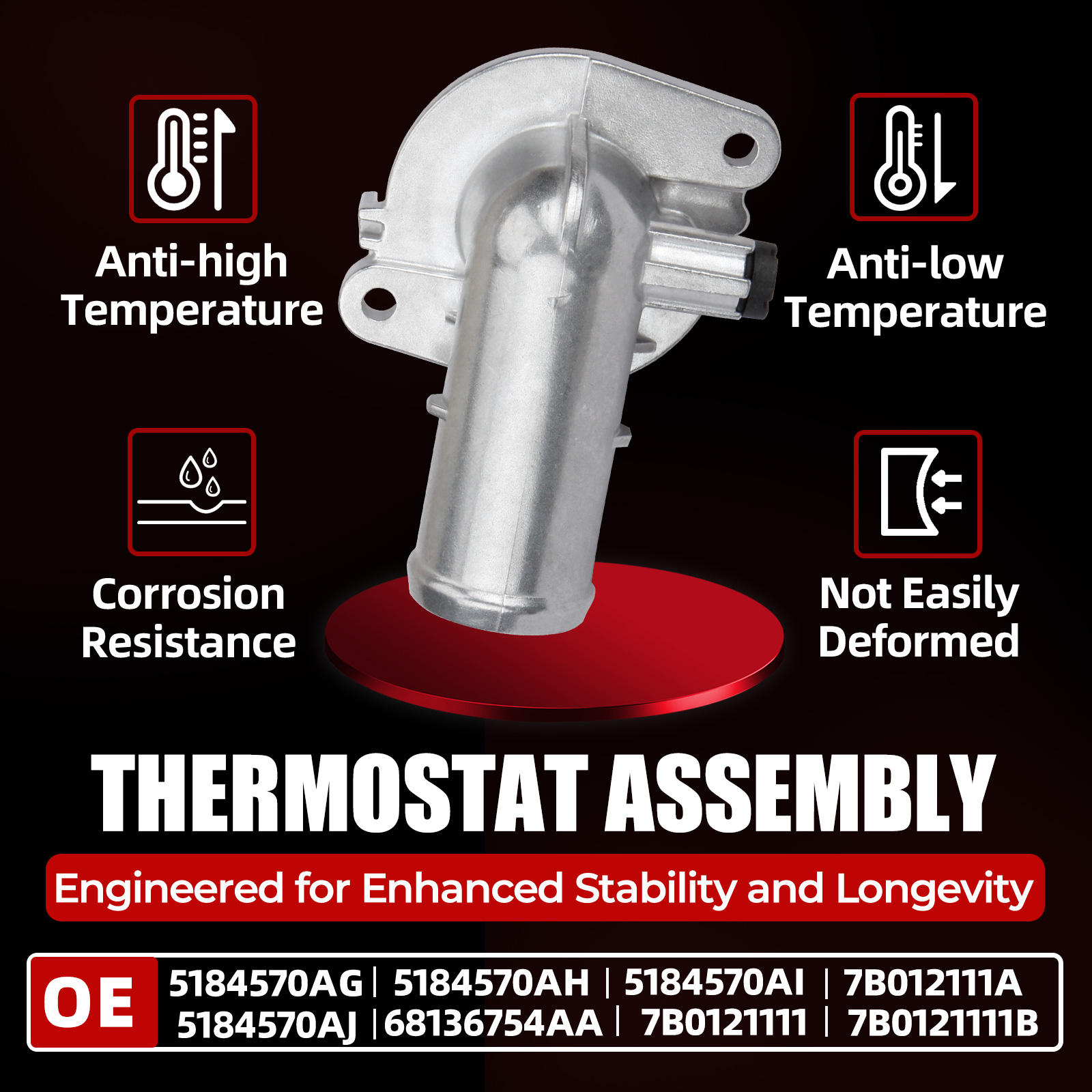
Does the part match the OE identifier “5184570AH” or an approved replacement reference? Is the housing metal rather than a lower-grade alternative? Are the sealing faces cleanly machined? Is the side connector or attachment point consistent with the target vehicles? And does the supplier provide fitment coverage that is specific enough to avoid guesswork?
That last point sounds obvious, but it is where many claims break down. A broad label like exportor or wholesale source tells you almost nothing unless the supplier can back it up with application data and part-number discipline.
Materials, structure, and why they matter in service
The notes describe a metallic housing, likely aluminum or cast metal, with a smooth machined or satin silver finish, plus a black plastic electrical or connector-related component. The exact material grade is not confirmed, so it is better to stay cautious there. Still, the general manufacturing picture is familiar: cast and machined engine cooling component assembly, then thermostat insertion into the housing.
That combination is common because the housing needs both dimensional stability and coolant resistance. A rough casting surface is not enough; the mating faces must seal properly, and the bolt holes must hold alignment under heat. If those surfaces are inconsistent, leaks show up early. In the field, that usually means a comeback repair, which nobody wants.
What to inspect before buying
Ask for clear photos of the flange face, bolt-hole layout, connector area, and part number marking. If a supplier cannot show those details, be careful. For cooling parts, visual confirmation saves more time than a long description ever will.
Common mistakes when sourcing this type of part
The biggest mistake is treating a thermostat housing like a generic casting. It is not. Buyers also get caught by incomplete fitment listings, especially when one housing serves multiple FCA platforms but not every trim or model year. Another frequent issue is assuming the thermostat temperature marking tells the whole story. It does not. The marked value may help with identification, but it does not eliminate the need to confirm the exact engine and application.
There is also a practical warning for anyone handling OEM car parts at scale: do not overcommit inventory unless you have clean application data. A few wrong cartons can turn into dead stock quickly.
FAQ
Is this part only for Jeep?
No. The supplied fitment notes also include Dodge, RAM, and Chrysler models with 3.6L and 3.2L V6 engines.
Is it a full thermostat assembly or only the housing?
The product notes indicate a thermostat housing / thermostat assembly, with the thermostat element inside the housing.
Can I rely on the 95°C marking alone?
No. Use it as a reference point, but confirm the part number and vehicle application before ordering or stocking.
A practical next step for buyers
If you need a thermostat housing outlet supplier for aftermarket replacement or catalog sourcing, start with three checks: verified fitment, part-number matching, and clear component photos. That is usually enough to separate a serious source from a vague listing. For purchasing teams, it is also the quickest way to reduce returns, avoid installation delays, and keep the cooling-system repair moving.
When the part is right, the job is routine. When it is wrong, even a simple thermostat service becomes a time-consuming diagnosis. That is why this category deserves more scrutiny than it often gets.