
Choosing a valve cover supplier sounds straightforward until a vehicle comes in with oil seepage, rough idle complaints, or a cracked cover that will not hold a seal for long. On BMW applications, the valve cover is not just a cosmetic plastic shell; it seals the top end of the engine, helps manage oil vapor, and supports crankcase ventilation through integrated features. That makes the buying decision more important than a simple part swap. If the cover warps, the gasket surface is uneven, or the fit is off by a few millimeters, the repair can turn into a comeback job.
What This Part Is Doing
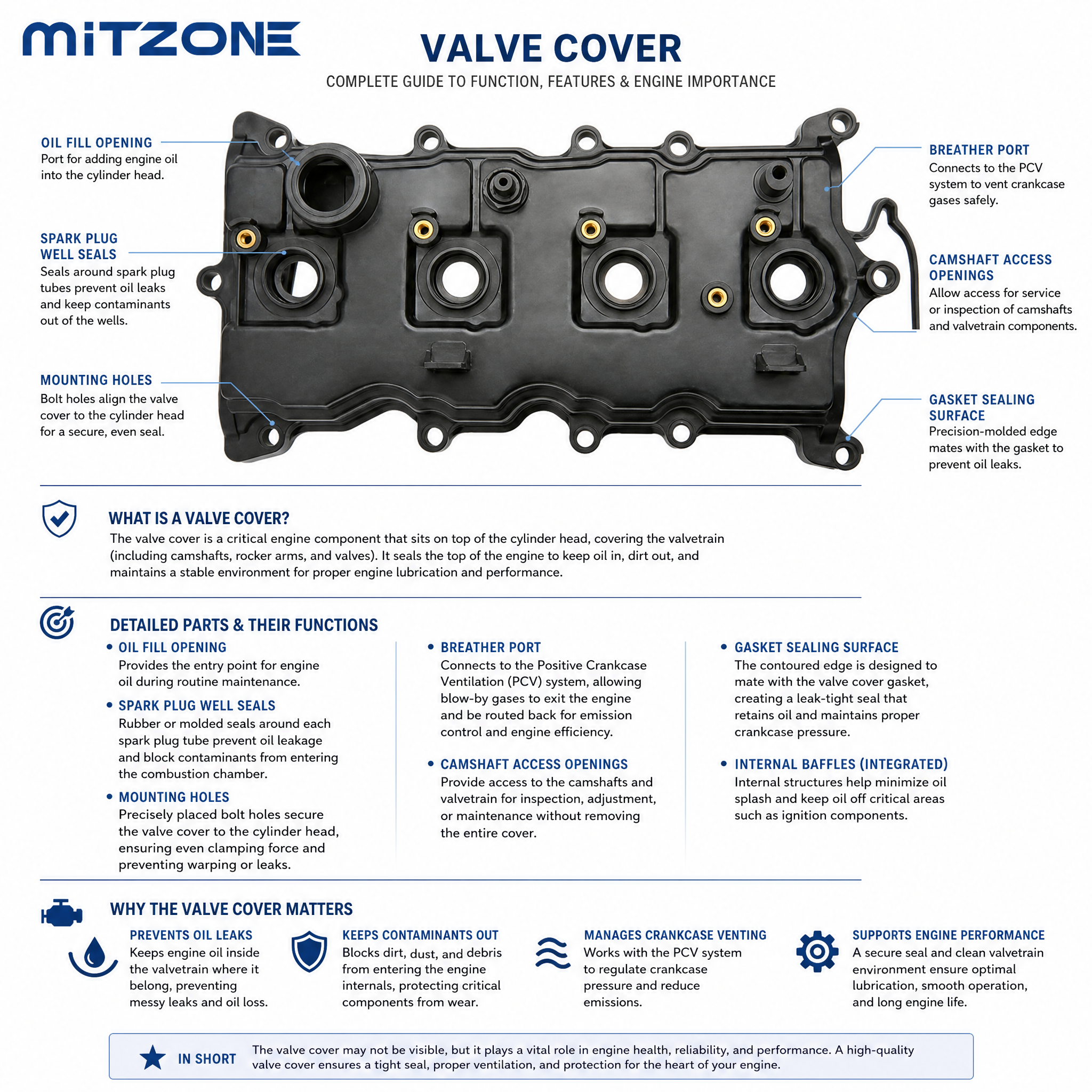
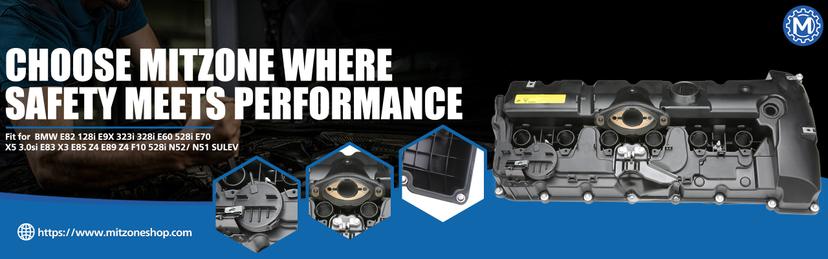
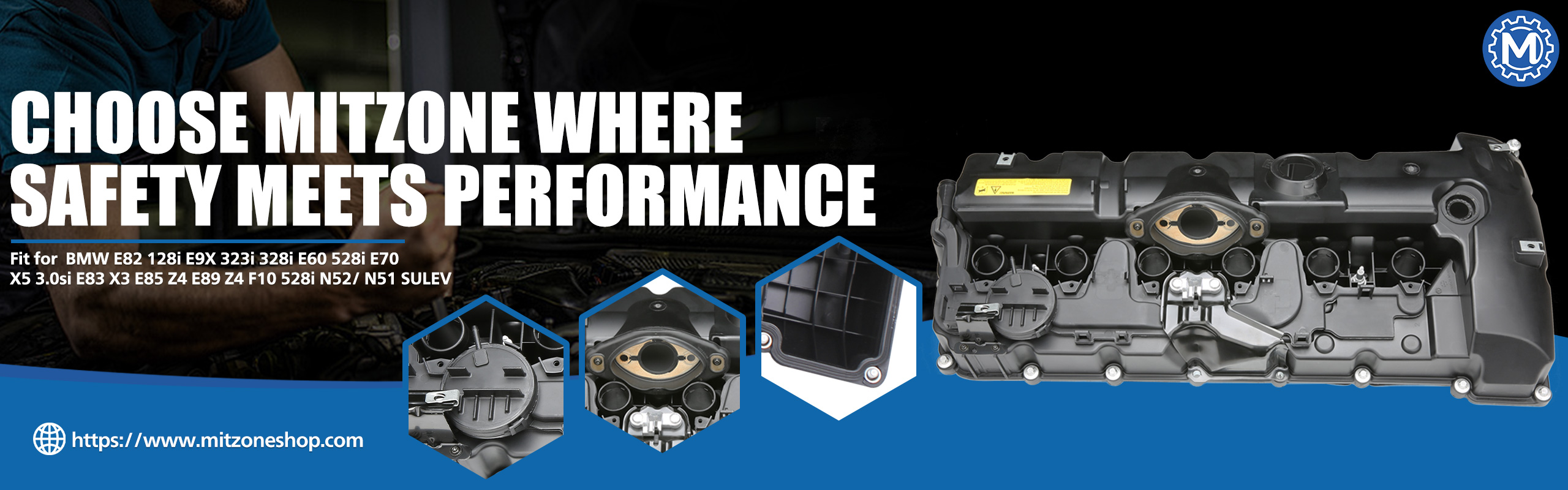
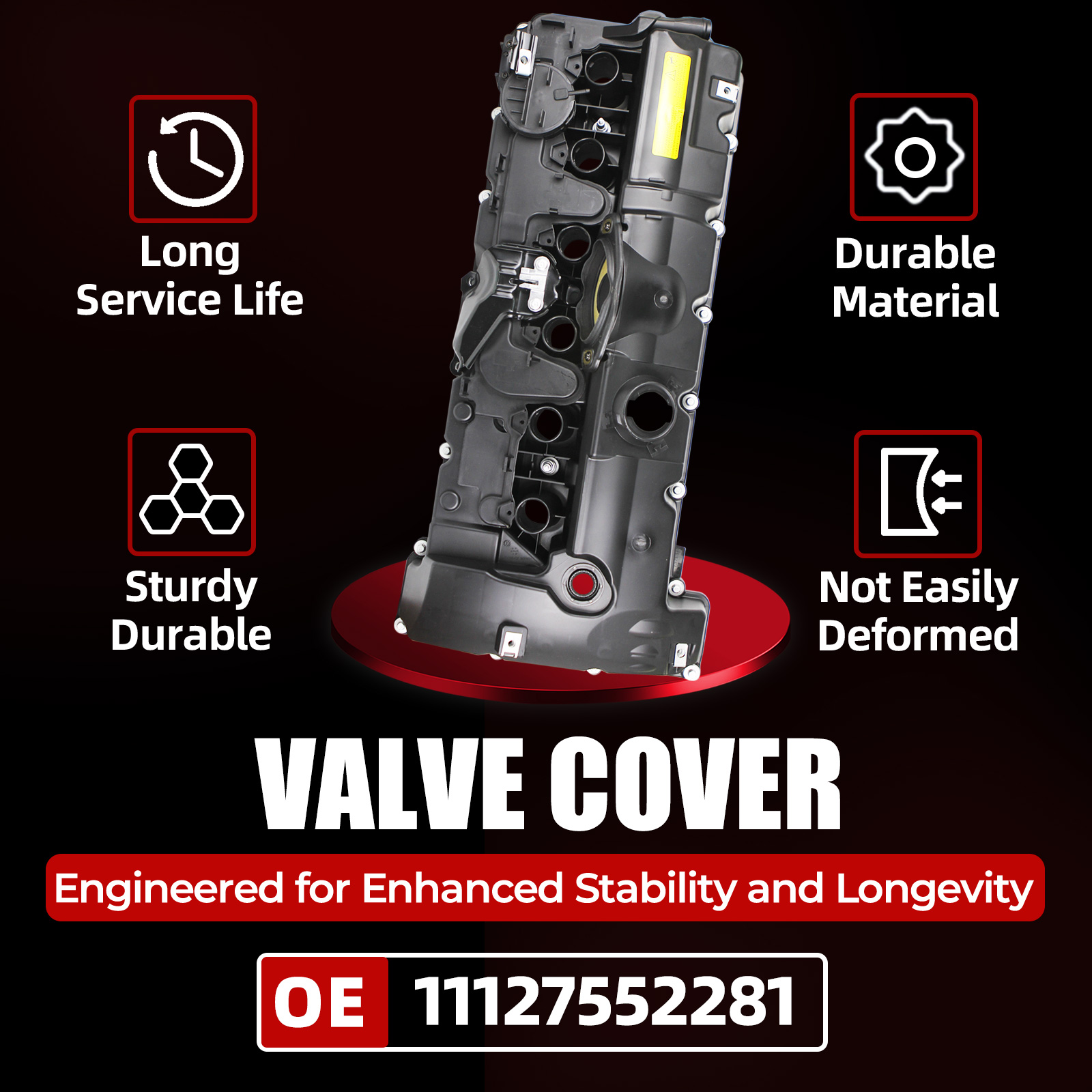
The part in question is a BMW engine valve cover, also called a cylinder head cover. The visible construction is a black molded one-piece assembly with multiple rounded coil-pack openings, an integrated oil-filler neck, perimeter bolt holes, and molded ribs and raised sections. In practical terms, it sits on top of the valvetrain area and helps contain oil vapor and crankcase gases while sealing the top of the engine. The housing appears to be injection-molded plastic with molded-in sealing features and some metal inserts or fastener points, which is common in this category.
This is the kind of part that often gets replaced when a technician finds cracking, heat distortion, or oil leaks around the perimeter. For buyers, the real question is not whether the part looks similar in a photo. The question is whether the supplier can provide a consistent replacement that fits the listed engine family and survives normal service conditions without nuisance leaks.
Fitment Matters More Than Finish
The image shows part number 11127552281 and a fitment list that includes BMW E82 128i, E9X 323i/328i, E60 528i, E70 X5 3.0si, E83 X3, E85/Z4, E89 Z4, F10 528i, and N52/N51 SULEV applications. That is useful, but fitment on paper is only the first gate. Engine family, year range, and any emissions-specific variant can still affect compatibility. A buyer who treats every BMW inline-six cover as interchangeable is inviting a return.
This is where direct factory auto parts sourcing can help. A supplier with disciplined catalog control should be able to match the part number, application notes, and visible port layout before the order moves. If you are comparing OEM car parts against aftermarket options, the decision usually comes down to how closely the replacement follows the original geometry and sealing strategy, not just whether the cover is made from plastic.
What Buyers Should Check Before Ordering
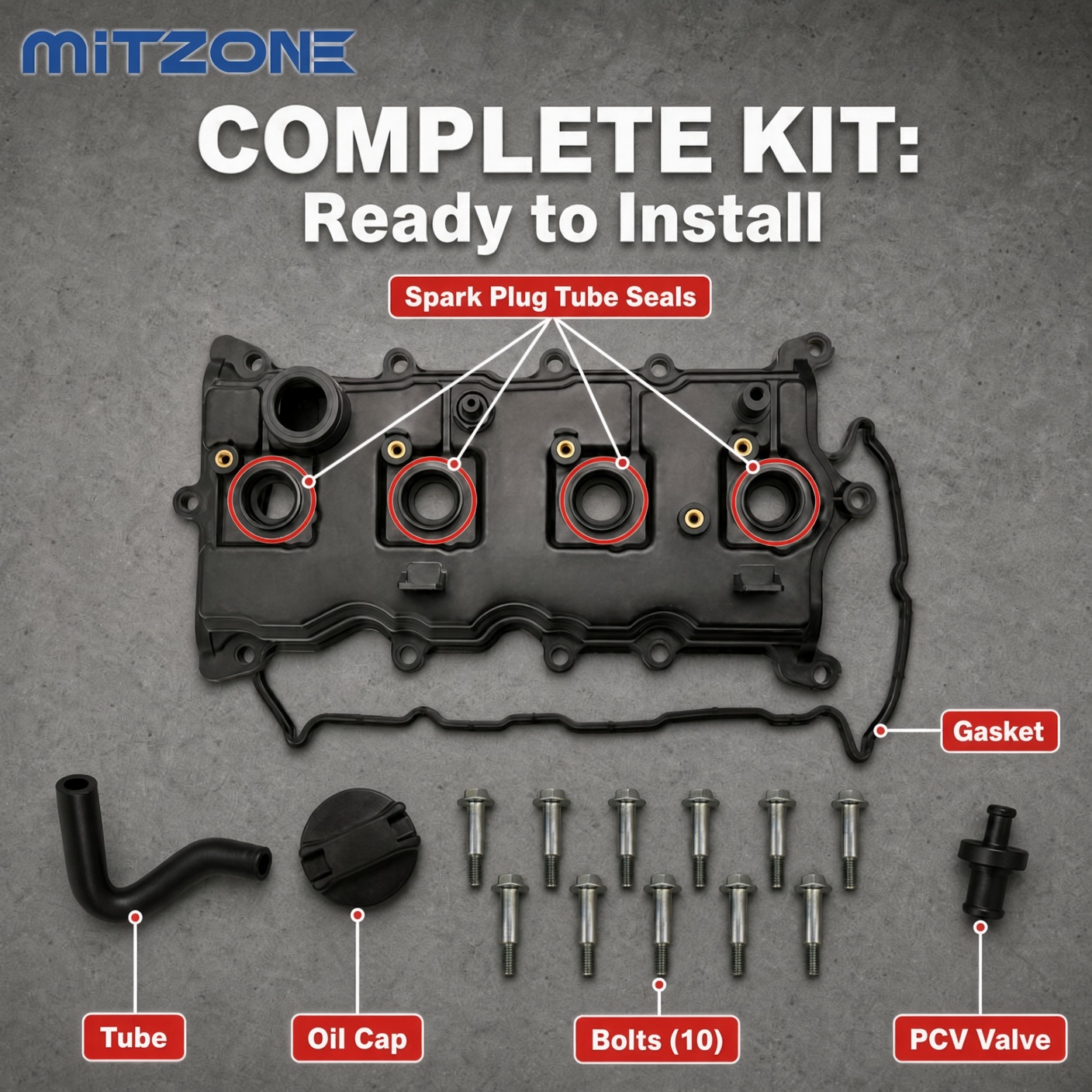
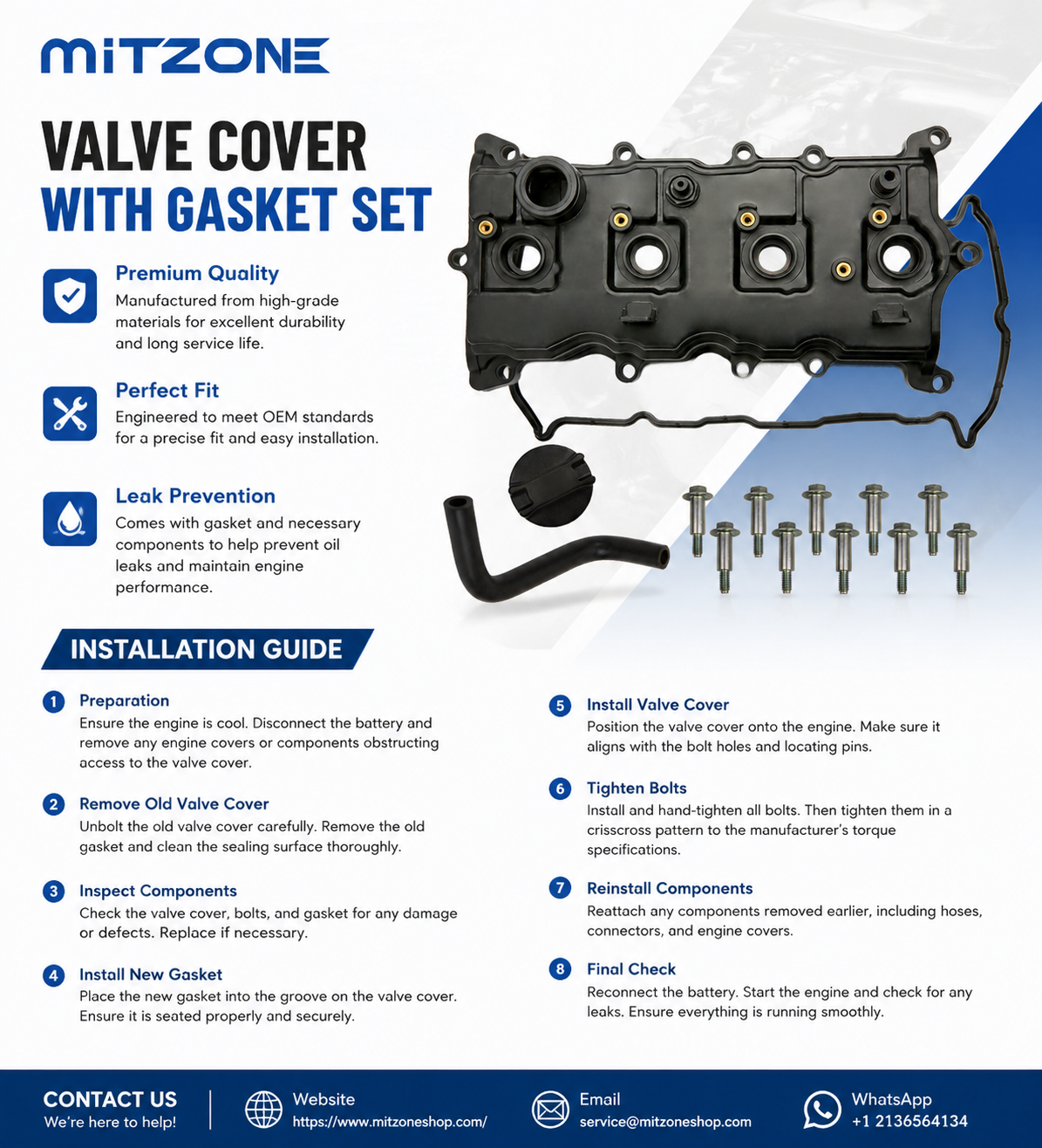
First, confirm the engine code and the exact part number. Second, ask whether the valve cover includes a gasket, bolts, PCV or CCV components, or sensor hardware. The image does not confirm any of those items, so it would be a mistake to assume the kit is complete. Third, verify the sealing surface quality and the condition of the coil openings and filler neck. These are the areas that tend to reveal poor tooling or careless molding.
There is also a practical point that gets missed in procurement meetings: a low price is not the same as a low total cost. If the cover arrives with a warped flange or inconsistent insert placement, the labor to reinstall it can quickly exceed the part savings. For an exporter serving workshops or distributors, consistency matters just as much as catalog breadth. A strong exportor channel should make documentation, packaging, and repeatability easier, not harder.
Selection Criteria That Actually Help
When evaluating a valve cover supplier, look at three things: fitment clarity, material consistency, and service support. Fitment clarity means the supplier can explain exactly which BMW engines and chassis codes are covered. Material consistency means the plastic housing is produced to the same standard from batch to batch, with no obvious thinning, sink marks, or uneven mounting points. Service support means the seller can answer basic questions about included components and installation cautions without guessing.
If you are sourcing for a workshop, distributor, or e-commerce channel, ask for clear photos of the underside, sealing edge, and oil-filler area. Those details tell you more than a polished product shot. A supplier who is comfortable providing that information usually understands the difference between a one-time sale and a repeat business relationship.
Common Mistakes Around This Replacement
The most common mistake is assuming the old gasket can be reused because the cover itself looks intact. Another is tightening fasteners unevenly, which can distort a plastic cover and create fresh leaks. A third is overlooking the mating surfaces on the cylinder head. Even a well-made replacement will struggle if the engine side is dirty or damaged. These are ordinary repair issues, but they are also sourcing issues because the right part should make the job simpler, not more fragile.
Buyers also sometimes chase labels instead of evidence. A brand name like Mitzone may be relevant to the purchase, but the actual decision should still rest on part number alignment, application coverage, and visible build quality. In this category, that discipline matters more than marketing language.
FAQ
Is this a direct replacement?
It appears to be an aftermarket replacement for the listed BMW applications, but exact OEM-equivalent manufacturing cannot be confirmed from the image alone.
Does it include the gasket or bolts?
The image does not confirm included accessories, so the buyer should verify that before ordering.
Why is a plastic cover used here?
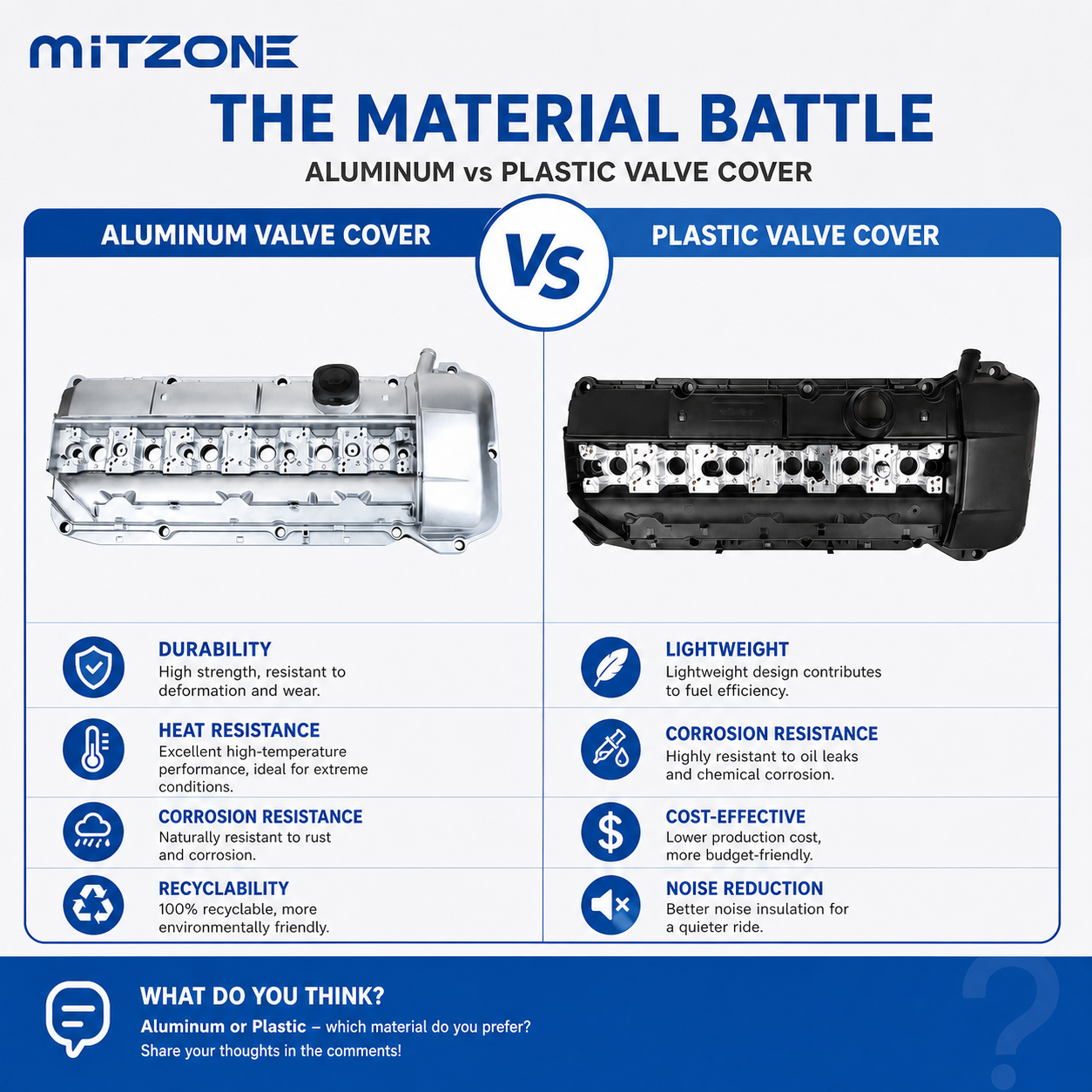
Modern engine covers are often molded plastic because it can handle complex shapes, integrated ports, and lower weight, provided the molding quality is controlled.
What To Ask Next
If you are comparing suppliers, ask for the full BOM, included parts, and confirmed fitment by engine code, not just chassis shorthand. That is the fastest way to separate a dependable source from a catalog listing that looks right only at first glance. For buyers who need BMW replacement coverage at scale, the best next step is to request a sample, confirm the sealing geometry, and check how the supplier handles application questions before you place a larger order.