
Why valve cover sourcing gets tricky fast
Buying a valve cover supplier is not just a matter of finding a part that looks right in photos. For repair shops, distributors, and private-label programs, the cylinder head cover is one of those components where fitment, sealing geometry, vent openings, and assembly details can turn a routine order into a return headache. That matters even more when the application is a high-volume passenger platform such as a Nissan/Infiniti 2.5L engine, where the part may be used across multiple model years and vehicle lines.
A valve cover is simple on the surface: it closes the top of the cylinder head and helps contain oil while supporting the valvetrain area. In practice, it also needs to align with gasket sealing surfaces, bolt locations, PCV or breather features, and any molded bosses or ports that the engine design requires. If those details are off, the part may fit loosely, leak, or fail during installation. For buyers comparing OEM car parts alternatives or looking at direct factory auto parts channels, the difference is often in the consistency of the molded part, not the marketing language around it.
What the listed application tells a buyer
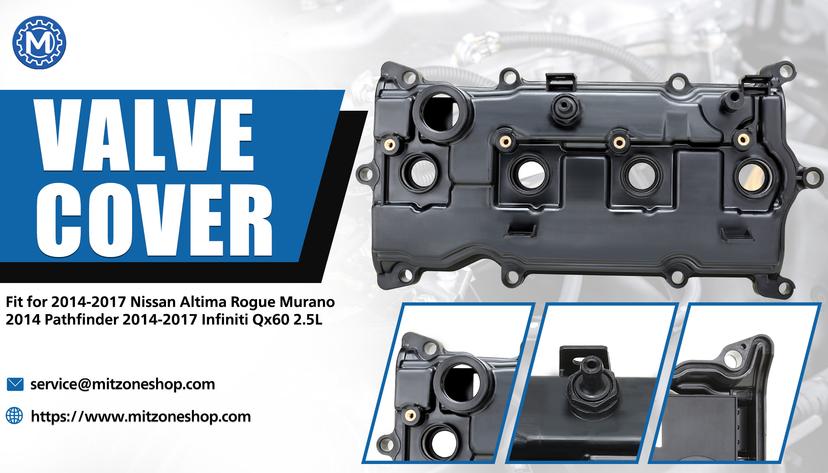
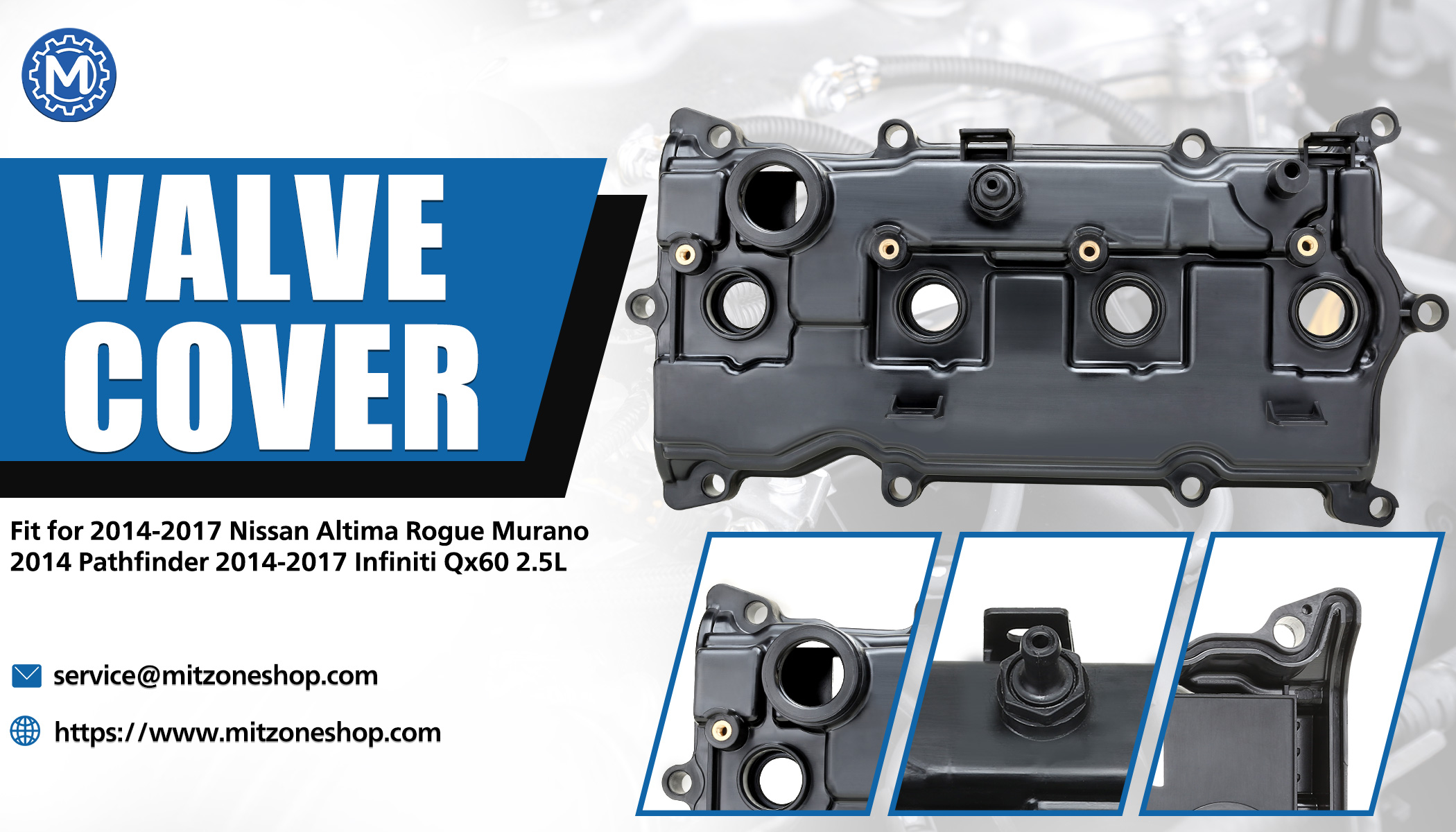
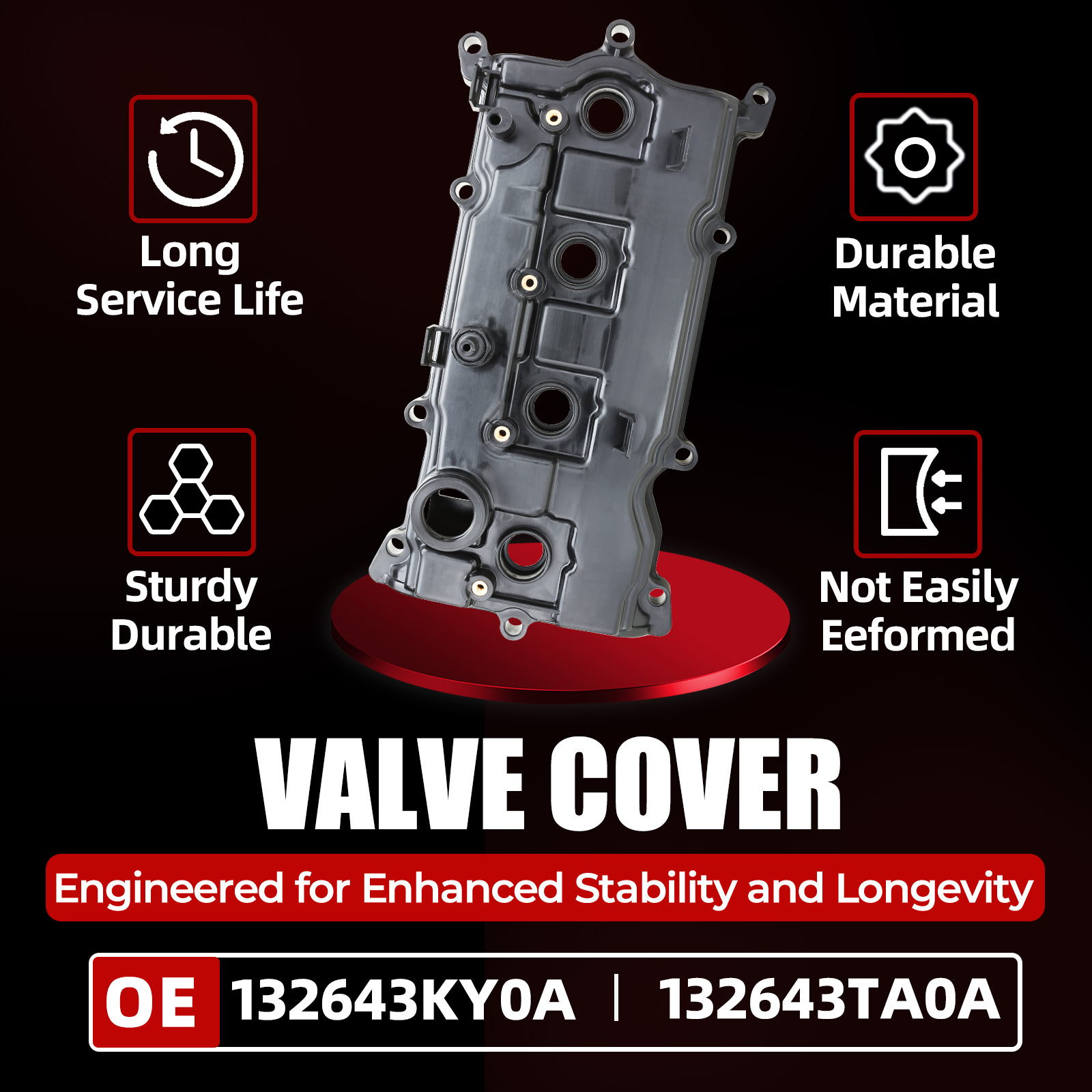
The fitment shown for this part is the most useful buying signal: 2014–2017 Nissan Altima, Rogue, Murano, Pathfinder, and 2014–2017 Infiniti QX60 with a 2.5L engine. That range suggests a service part aimed at common maintenance and repair demand, especially for cracked covers, warped sealing edges, or oil seepage around the top end of the engine. For an exportor, this kind of shared-platform coverage can be attractive because it concentrates demand across several nameplates rather than relying on a single model.
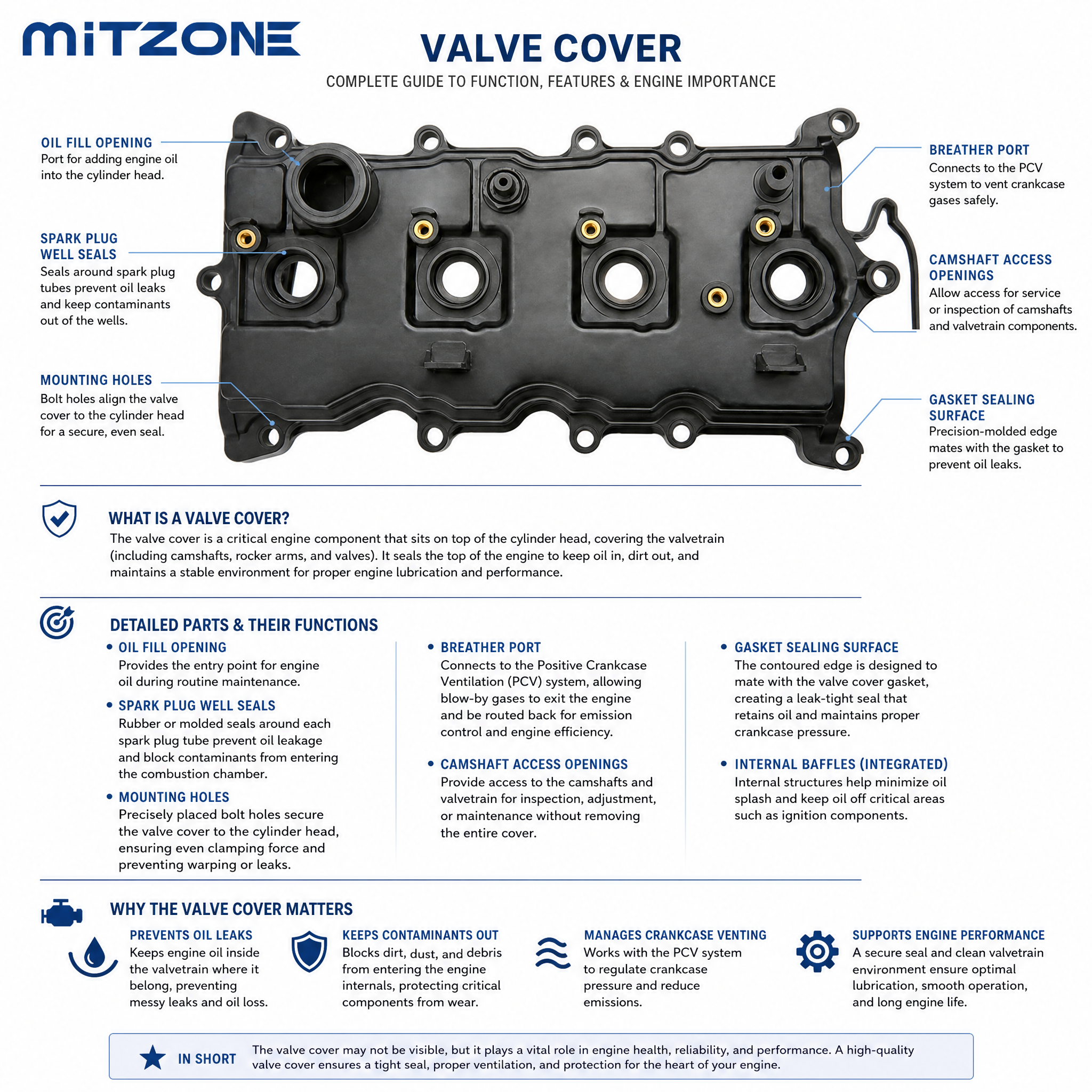
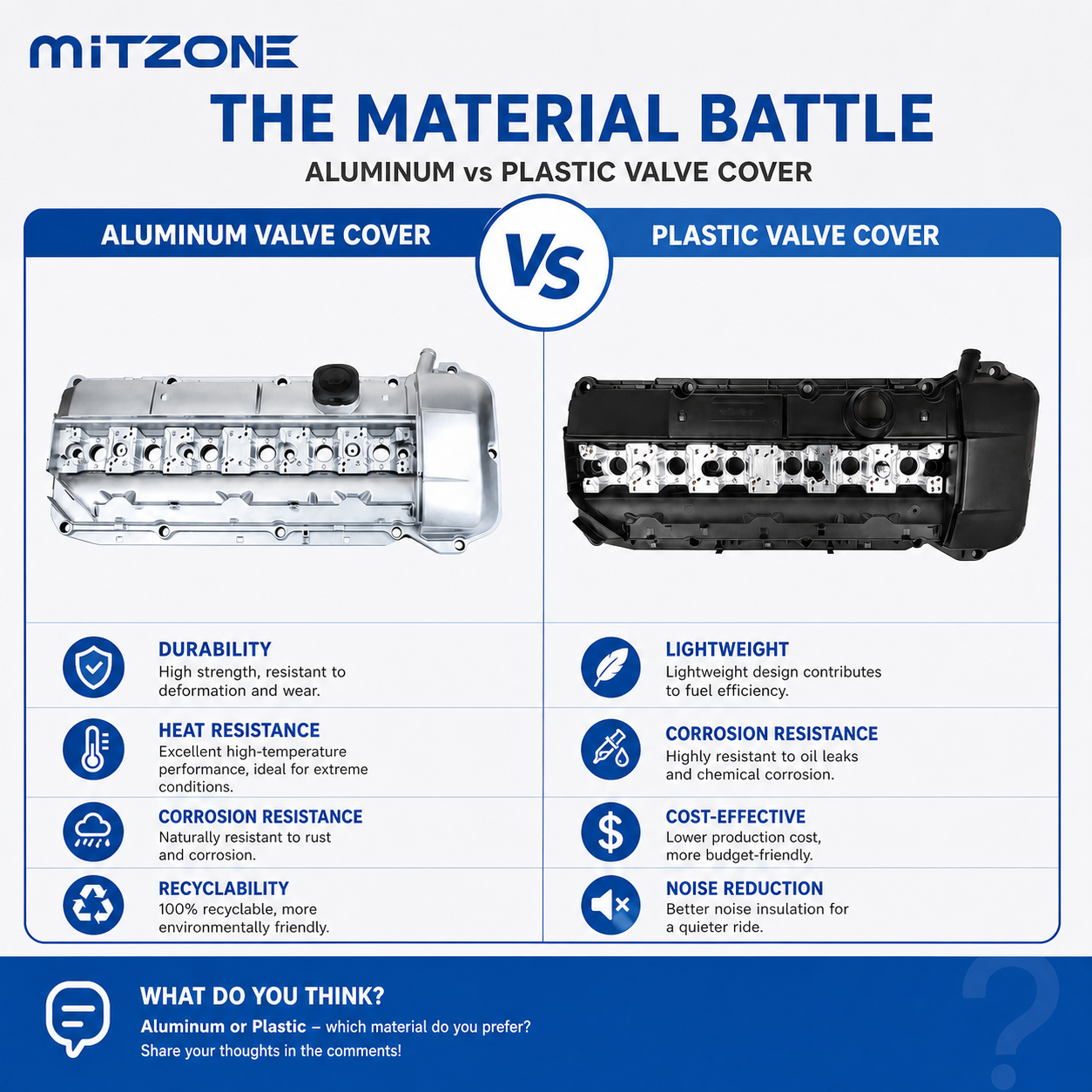
The visible design also gives clues. This is a black molded rigid cover with an elongated rectangular shape, rounded corners, perimeter mounting points, and several circular openings or bosses. The raised ribs and stepped sections are there for stiffness and sealing control, which is exactly what you want from a replacement cover. It is likely a molded plastic or composite part, though the exact material formulation is not confirmed here. That caution matters; buyers should not assume every black cover is built from the same resin or process.
How to evaluate a valve cover supplier before placing volume orders
1. Confirm fitment at the engine level, not just the vehicle level
Vehicle-year fitment is helpful, but engine-specific verification is better. The same model may carry different trims or engine layouts, and a cover can differ in port shape, gasket channel detail, or mounting pattern. Ask for clear application data and compare it with the engine code or OE reference used in your market.
2. Inspect the sealing edge and molded features
In this category, the perimeter sealing groove, bolt ears, and integrated nipples or connector bosses are the points that usually decide whether a part installs cleanly. A seller may advertise a complete-looking assembly, but if the gasket path is inconsistent or a port is poorly formed, the cover becomes a liability. For direct factory auto parts programs, this is where sample inspection pays for itself.
3. Ask what is included in the assembly
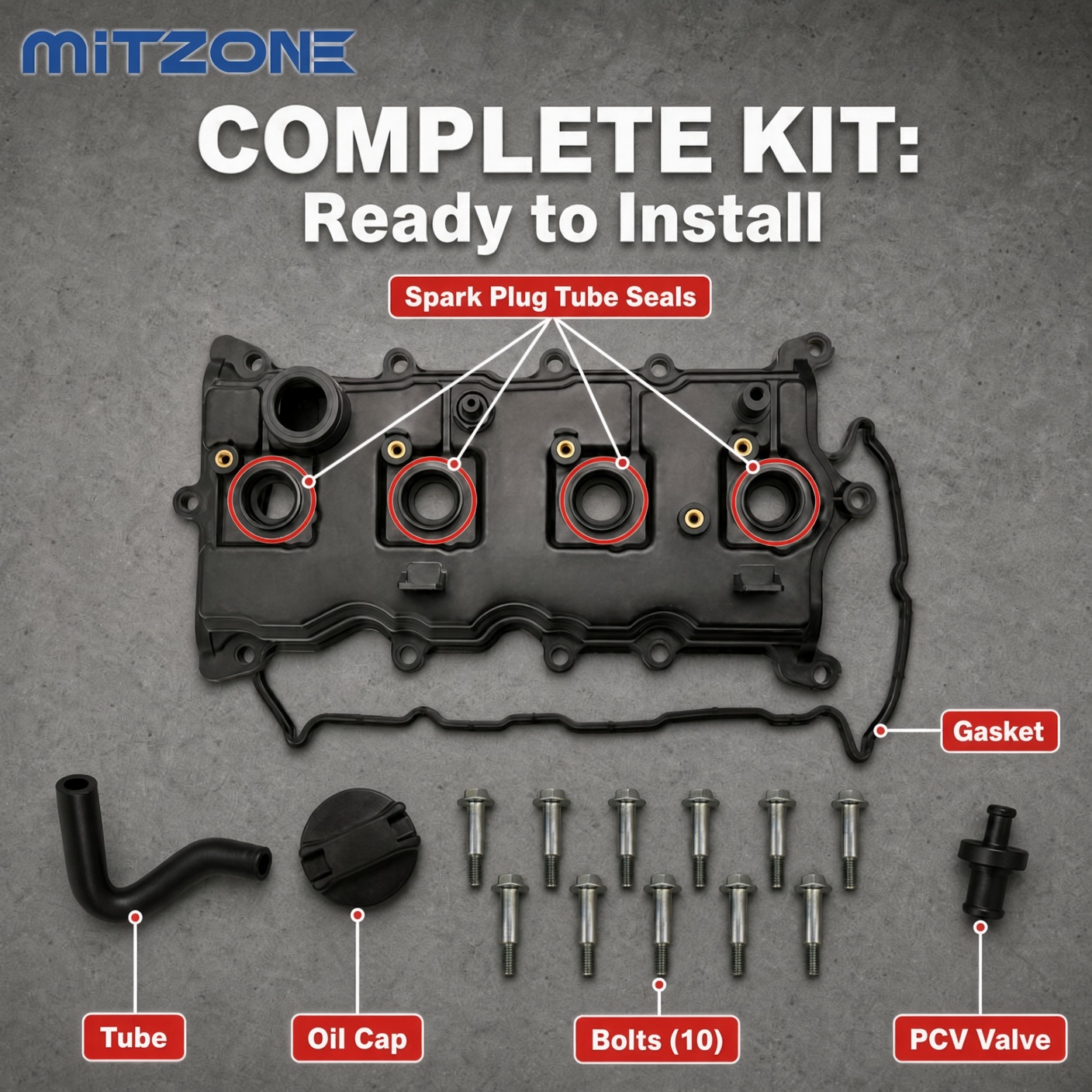
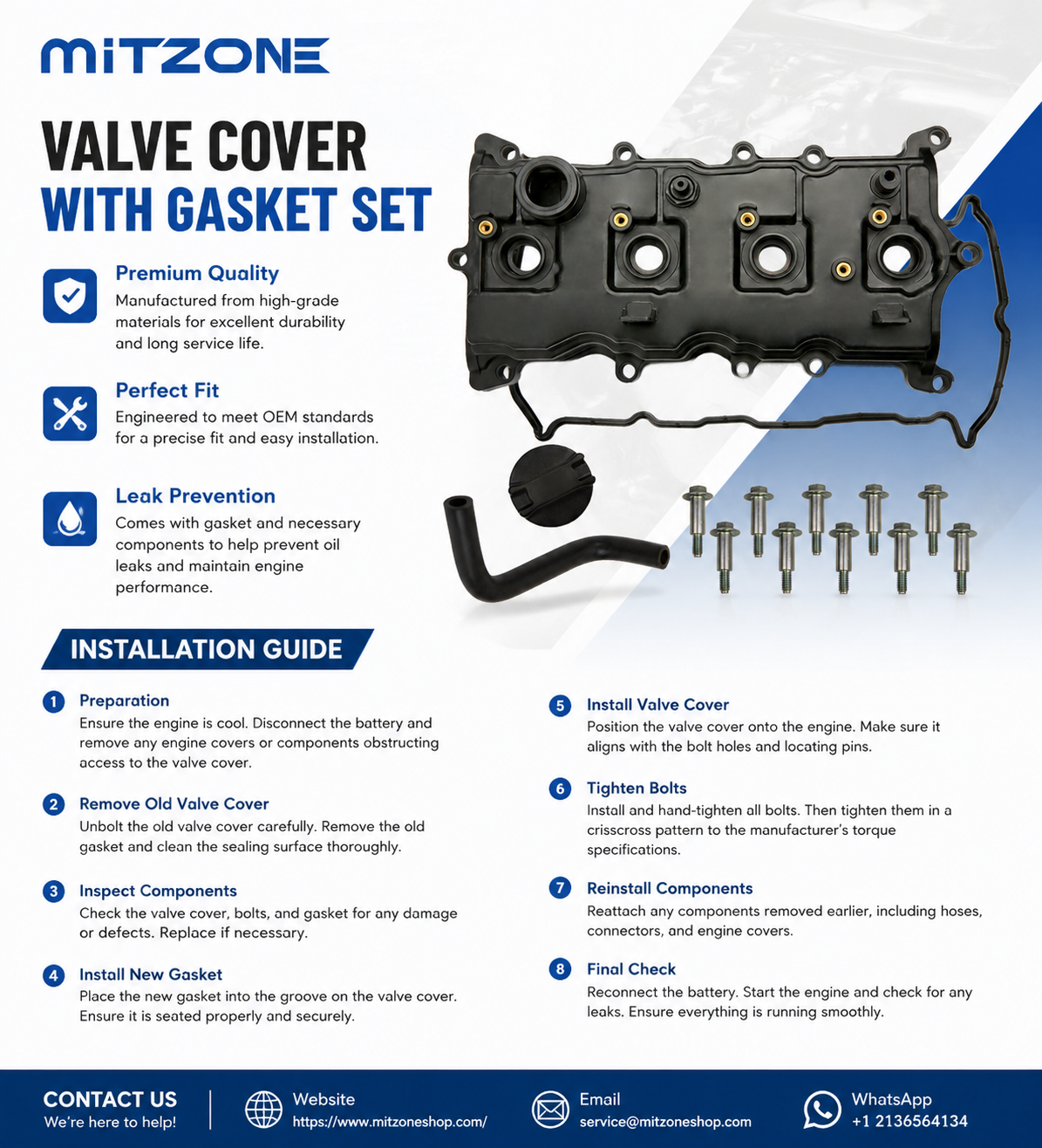
Do not assume the package contains a gasket, bolts, seals, or sensor-related hardware unless that is stated. The provided data does not confirm those extras, so a careful buyer should request a written parts list. Small omissions here create big labor costs later.
Common mistakes buyers make
The most frequent mistake is treating every valve cover as interchangeable if the engine size matches. Another is relying on exterior appearance alone. A glossy or satin black finish, for example, tells you very little about internal rigidity or long-term seal performance. Buyers also sometimes overlook vent openings and PCV-related features because they seem minor. They are not minor when the engine starts pulling air or pushing oil mist through the wrong path.
There is also a sourcing trap on the commercial side: choosing the lowest-cost supplier without asking how the part is molded, inspected, or packed for export. For an exportor, shipping damage and deformation are not abstract risks; they are direct margin losses.
Practical advice for repair channels and distributors
If you are stocking this part for engine maintenance or replacement work, build your approval process around three checks: fitment, sealing detail, and completeness of the assembly. Ask for photos of the gasket face, port areas, and mounting points. If possible, request a sample and compare it against an original cover before moving into inventory. That is especially useful for OEM car parts replacement programs, where customer confidence depends on first-install success.
For sourcing teams, the better question is not simply “Can you supply a valve cover?” but “Can you keep the molding consistent across repeat orders?” That is the real test of a valve cover supplier. A part like this looks straightforward until a warped flange or mismatched vent boss shows up in the field.
FAQ for buyers
Is this part for a single vehicle only?
No. The listed fitment covers multiple Nissan and Infiniti models from 2014–2017 with a 2.5L engine.
Is the material confirmed?
No exact material formulation is confirmed here. The part appears to be a molded plastic or composite cover, but that should be verified by the supplier.
Should I assume it includes a gasket?
No. The available information does not confirm gasket inclusion, so that should be checked before purchase.
Next step for buyers
If you are sourcing this component for repair distribution, private label, or export sales, start with a fitment confirmation and a sample review. A dependable valve cover supplier should be able to support the application data, explain what is included, and provide enough detail to help your team avoid installation surprises. For this category, that is usually worth more than a small price difference.