
Why the right valve cover matters
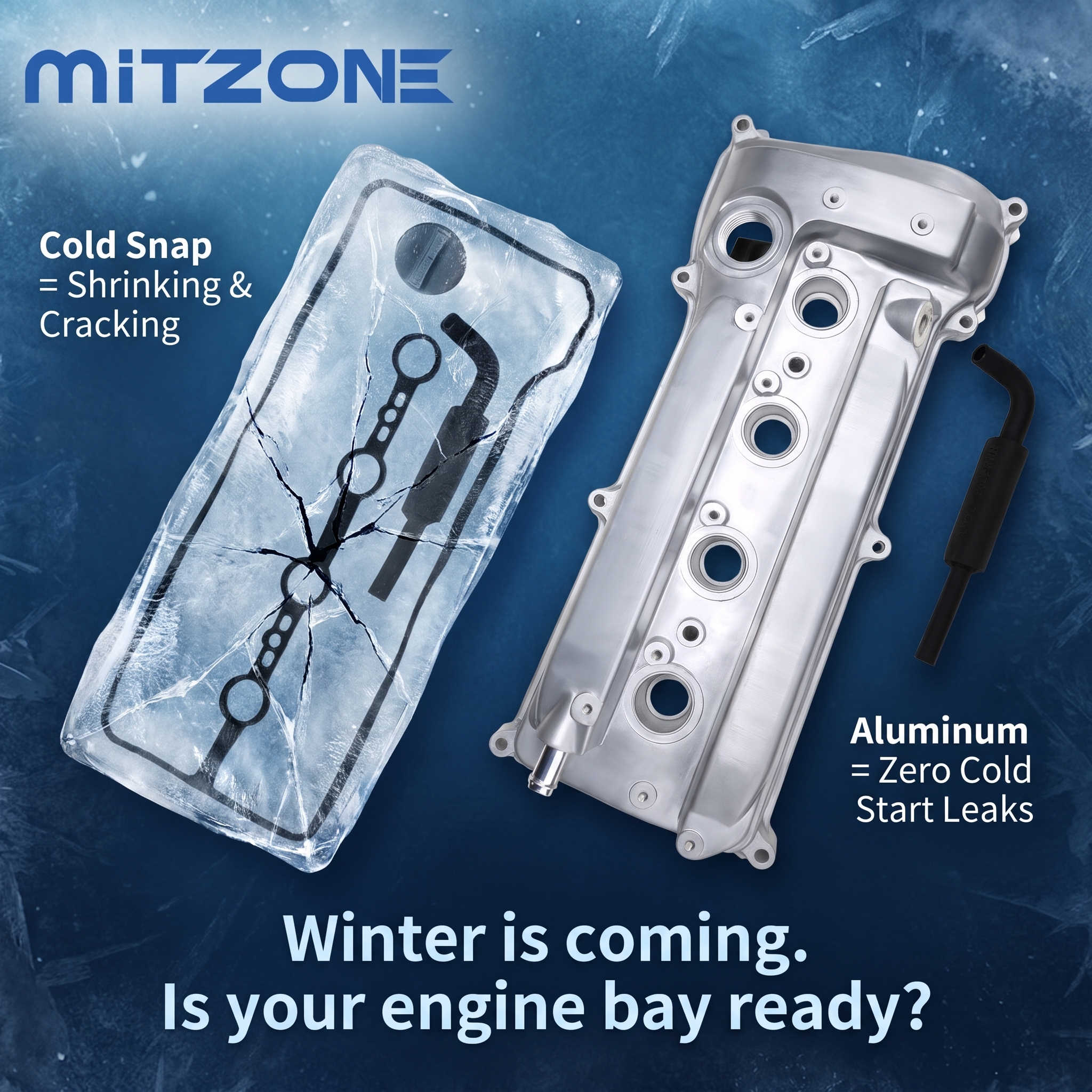
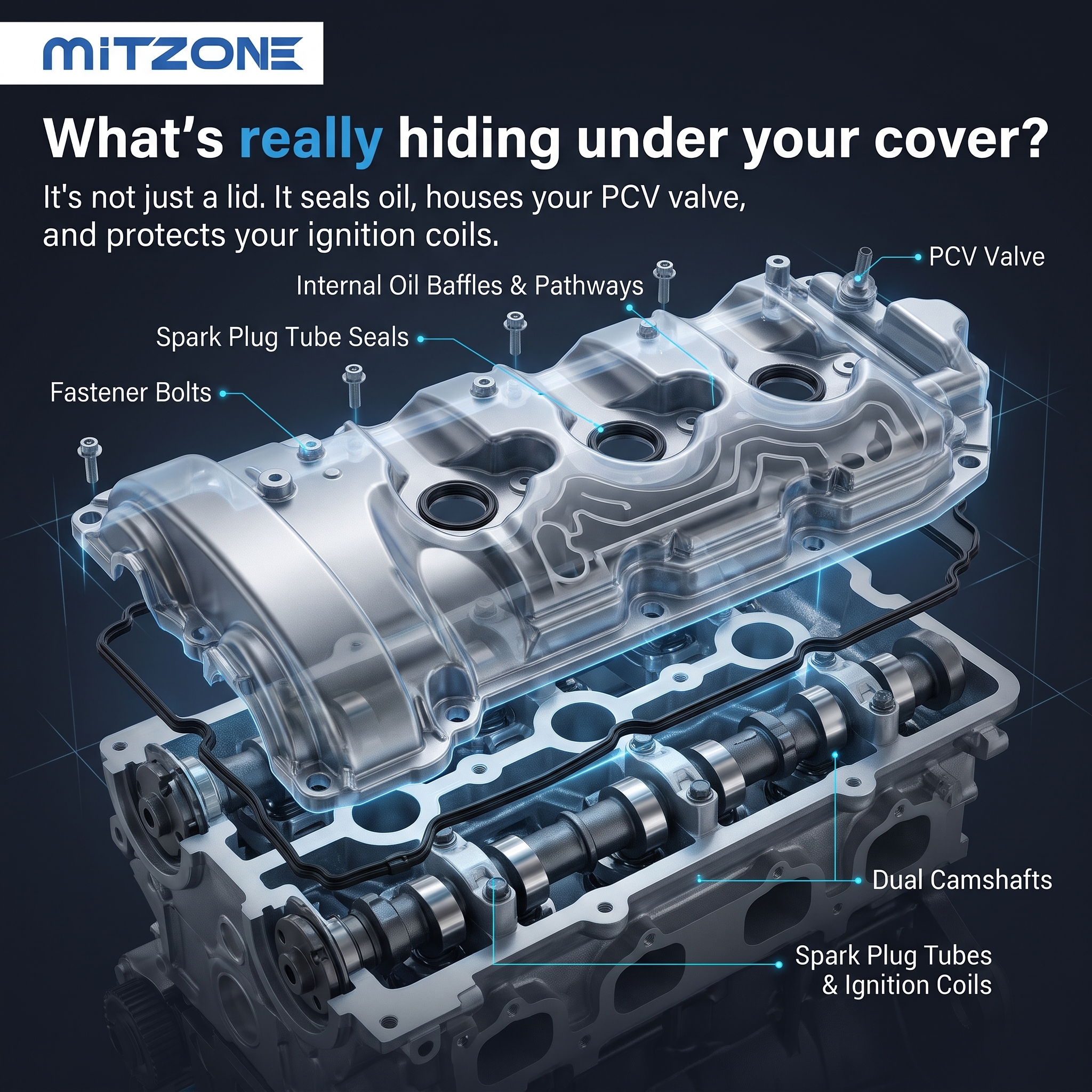
A valve cover supplier is not just shipping a plastic shell or a cast part; they are supplying a component that sits over the top end of the engine, holds seals in place, and helps keep oil where it belongs. On a Nissan or Infiniti VQ35DE 3.5L V6 application, that is a real maintenance decision, not a cosmetic one. A cracked, warped, or oil-soaked cover can turn a routine gasket job into a repeat repair if the replacement part does not fit cleanly or cannot hold its shape under heat.
For buyers, the point is simple: the cheapest part on paper is rarely the cheapest part in service. Shops, distributors, and procurement teams want a cover that matches the engine family, fits the surrounding hardware, and arrives ready for installation without extra rework. That is especially important when a vehicle is already down for oil leak correction or valve cover gasket replacement and the customer wants the car back quickly.
What this part is used for
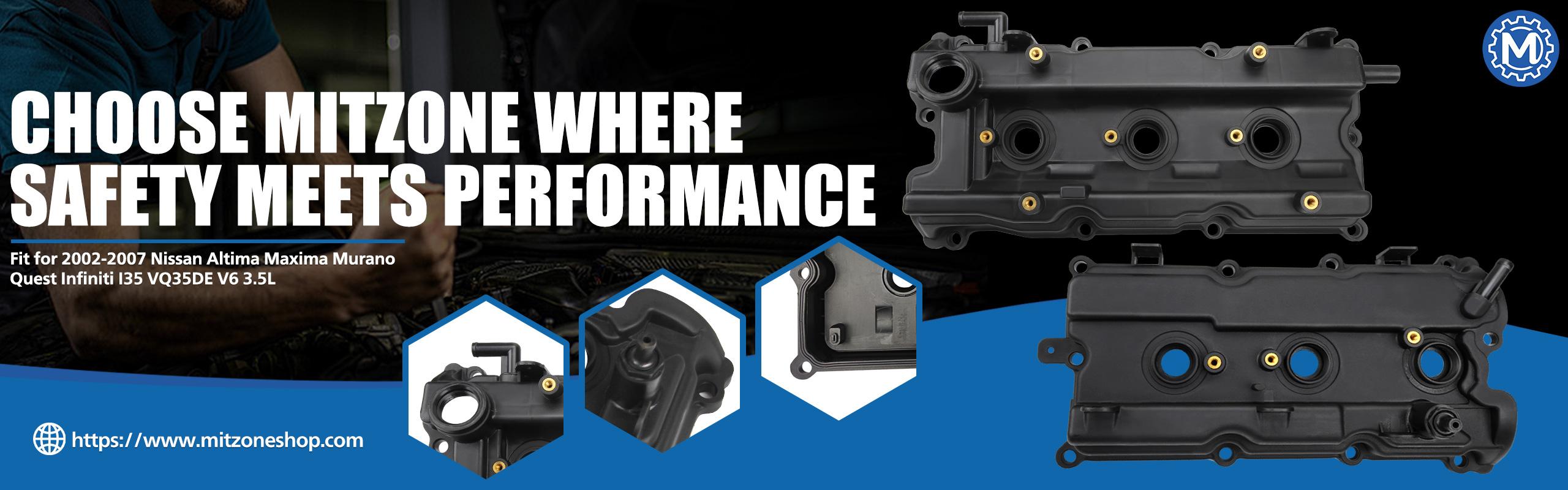
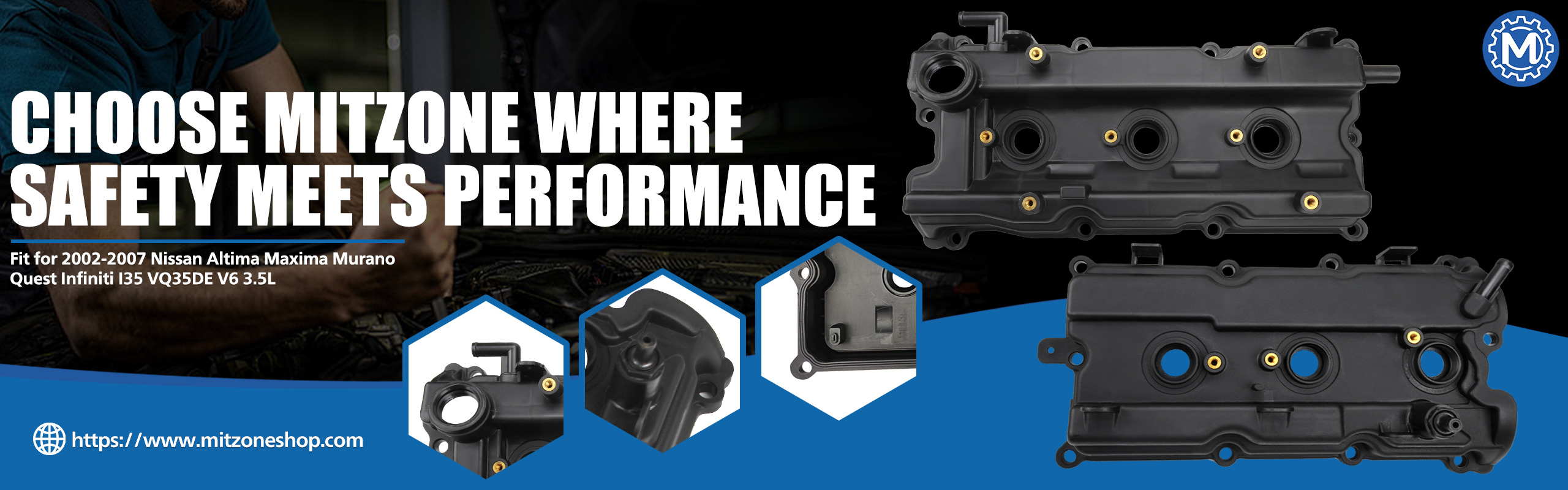
The product information points to an automotive engine valve cover, also described as a cylinder head cover assembly, intended as a replacement part for Nissan and Infiniti vehicles equipped with the VQ35DE 3.5L V6. Visible fitment notes mention 2002-2007 Nissan Altima, Maxima, Murano, and Quest, plus the Infiniti I35. That matters more than a generic vehicle list because this is the kind of part where engine family and mounting layout carry more weight than a simple make-and-model match.
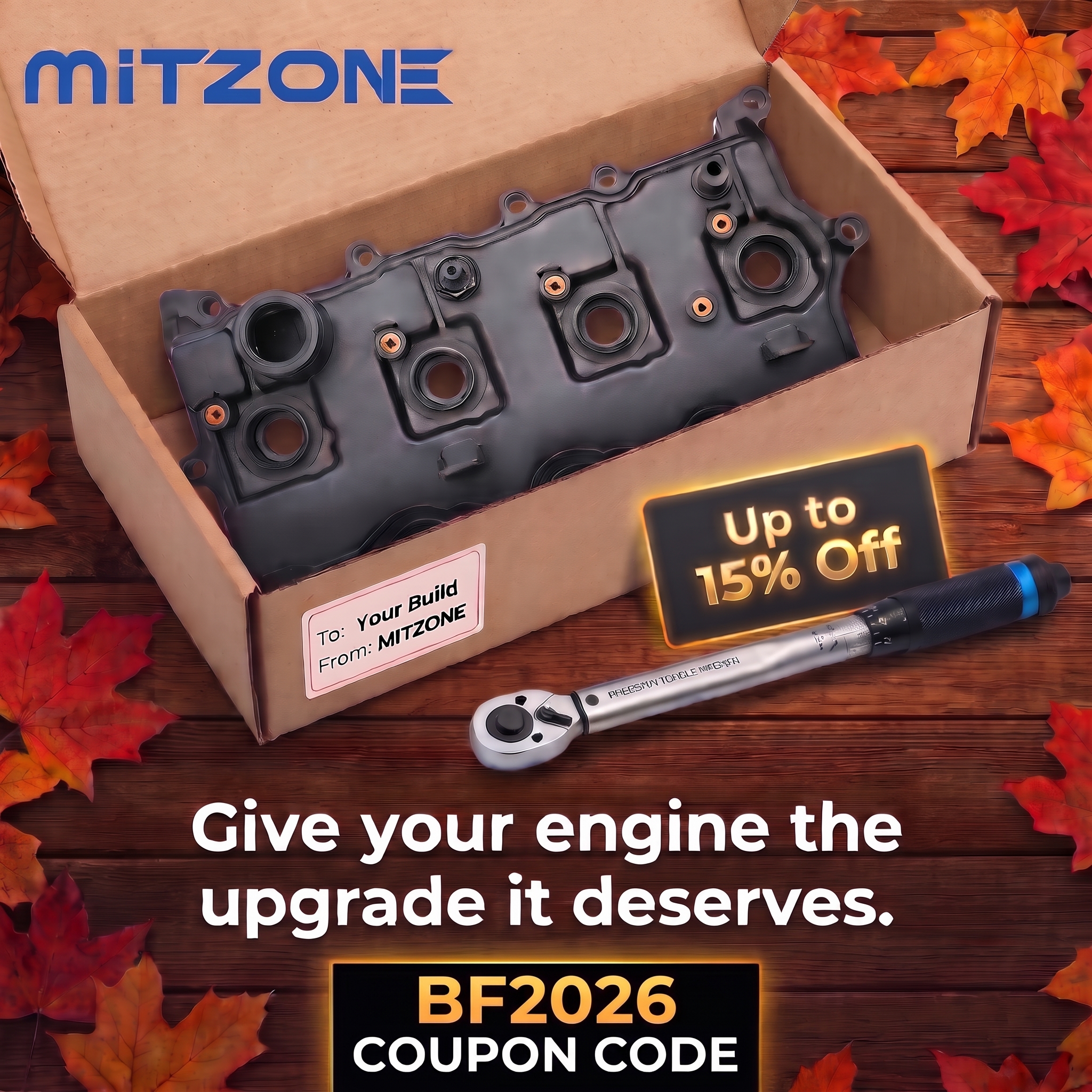
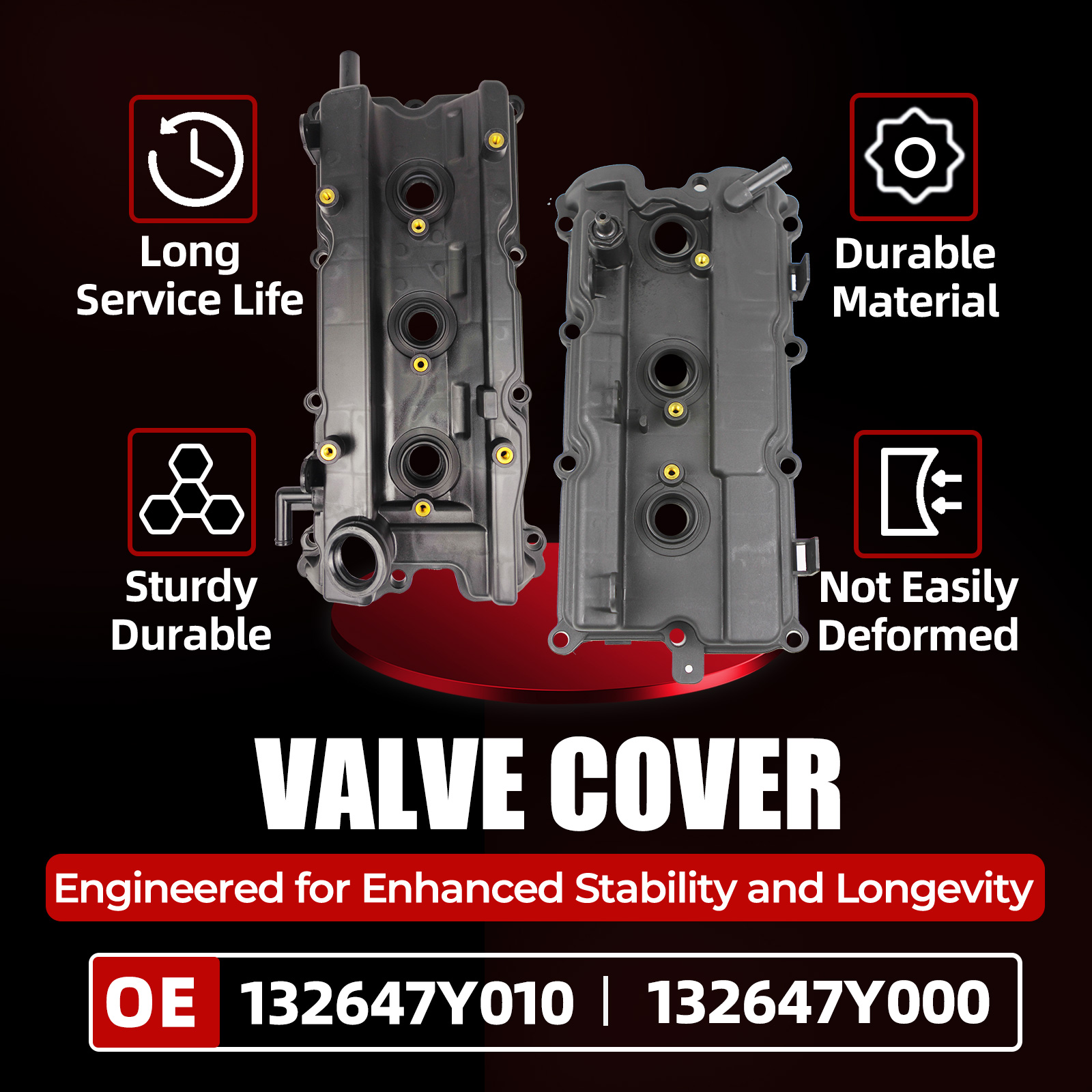
The cover itself appears to be a black molded plastic or composite component with a matte or satin finish. It includes multiple mounting bolt bosses, circular spark plug tube openings, hose or PCV ports, and formed ribs or baffles molded into the surface. Gold-colored threaded inserts are visible at several mounting points. Those details suggest a service part designed to fit into the existing top-end layout, not a universal aftermarket piece with loose tolerances and “close enough” geometry.
One caution is worth saying plainly: do not assume gasket inclusion, internal baffle details, exact material grade, or heat and oil resistance ratings unless the supplier states them. Those details affect purchasing decisions, but they should be verified rather than guessed.
What buyers should check before placing an order
- Confirm the engine family, not just the vehicle badge.
- Check the location of spark plug tube openings, PCV ports, and mounting points.
- Ask whether the valve cover includes seals, grommets, or only the cover body.
- Review photos for insert quality, flange flatness, and molded rib consistency.
- Make sure packaging protects the sealing surfaces during transit.
That checklist sounds basic, but it is where many sourcing problems start. A part can look right in a catalog image and still create issues in the bay if the port angles, bolt bosses, or edge profile are off by even a small amount. For a shop that installs direct factory auto parts or high-volume replacement components, repeatable fit is usually more valuable than a one-off bargain.
Supplier qualities that matter in real sourcing
For an OEM car parts program or a regional exportor serving repair channels, the best supplier is the one that can explain the part clearly and support the order after shipment. That means clean fitment documentation, consistent part identification, and enough technical confidence to answer questions about application coverage. It also means the supplier should be comfortable distinguishing between an OE-style replacement and a broader aftermarket offering.
Surface finish is another clue. A matte or satin molded cover may not sound like a performance feature, but finish can hint at tooling quality and mold consistency. So can the way inserts are seated and how sharply the mounting bosses are formed. Buyers in the engine repair market often care less about polished language and more about whether the part will seal the first time. That is a fair standard.
Common mistakes on this kind of part
One common mistake is ordering by appearance alone. Another is assuming every valve cover for a VQ35DE is interchangeable across years and trims without checking the exact fitment notes. A third is forgetting that a repair job may need more than the cover itself, especially when the original leak has already contaminated nearby components.
There is also a habit in sourcing to focus on the headline application and ignore the small hardware details. On a part like this, the ports, bosses, and openings are the real story. If those are off, the engine does not care what the catalog says.
When to choose direct factory auto parts versus aftermarket
Direct factory auto parts can be attractive when a buyer wants a familiar specification and fewer questions from the installer. Aftermarket replacement parts can be the better choice when availability, cost, or channel flexibility matters more, especially in high-turn repair markets. The right answer depends on the customer base, warranty expectations, and how sensitive the application is to fit.
For a working shop, the practical test is whether the part helps the technician finish the job cleanly. If the supplier can show consistent dimensions, stable molding quality, and clear fitment for the listed Nissan and Infiniti applications, that already puts the part in a stronger position than a vague catalog listing.
FAQ buyers usually ask
Does the part fit only one model? No. The supplied notes indicate a range of 2002-2007 Nissan and Infiniti vehicles using the VQ35DE 3.5L V6, but exact fit should still be confirmed against the engine and chassis code.
Is it OEM or aftermarket? That is not stated, so it should be treated as unconfirmed until the supplier specifies it.
Is this part for repair only? It is commonly used for valve cover gasket replacement, oil leak correction, cracked cover replacement, and general maintenance.
What a good next step looks like
If you are sourcing this part for a warehouse, repair chain, or export program, ask for fitment confirmation, clear part photos, and a description of what is included in the assembly. If the supplier can answer those questions without hesitation, you are likely dealing with a more serious valve cover supplier than a casual reseller. That is usually where the safer purchase starts.