
Why a valve cover supplier matters more than it first appears
Buying from a valve cover supplier is rarely just about a plastic or composite shell bolted to the top of an engine. For engineers, sourcing managers, and aftermarket product teams, the real question is whether the part will seal properly, survive heat cycling, and arrive consistent enough that installation does not turn into a warranty problem later. A cylinder head cover may look simple on paper, but it sits in a demanding location: oil mist, vibration, thermal expansion, and repeated service access all work against it.
That is why selection matters. A cover that fits poorly can create leaks around the perimeter, disturb PCV routing, or complicate spark plug service. On the shop floor, those problems become comebacks. In distribution, they become returns. And in fleet maintenance, they become downtime. The decision is not only whether the part fits a specific engine family, but whether the supplier can deliver repeatable quality in OEM car parts or direct factory auto parts programs without making the buyer chase details later.
What this type of cover is doing on the engine
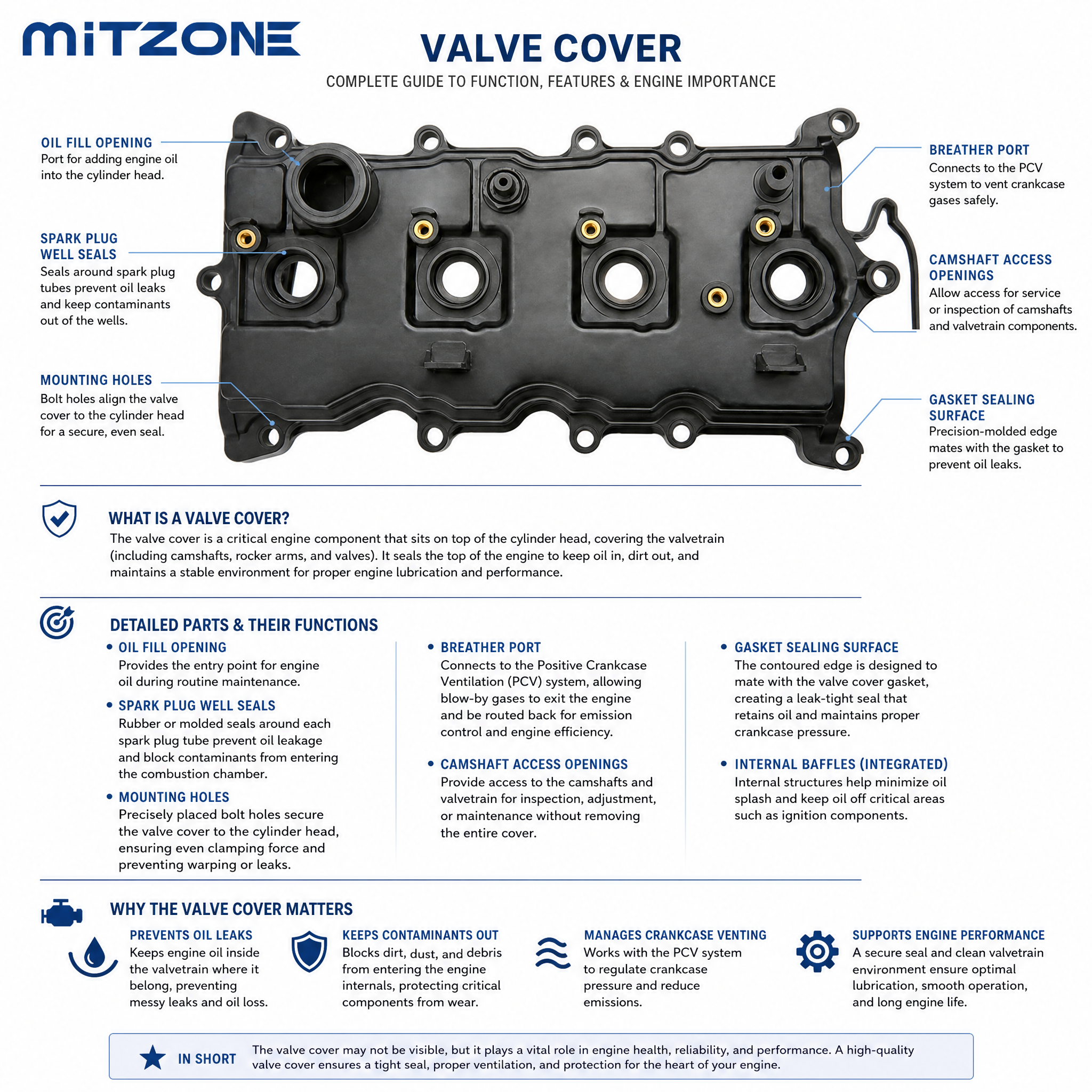
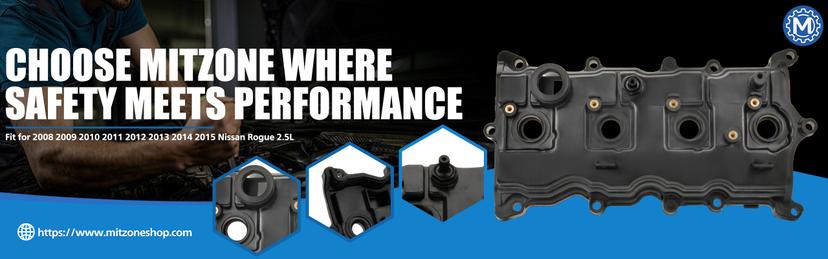
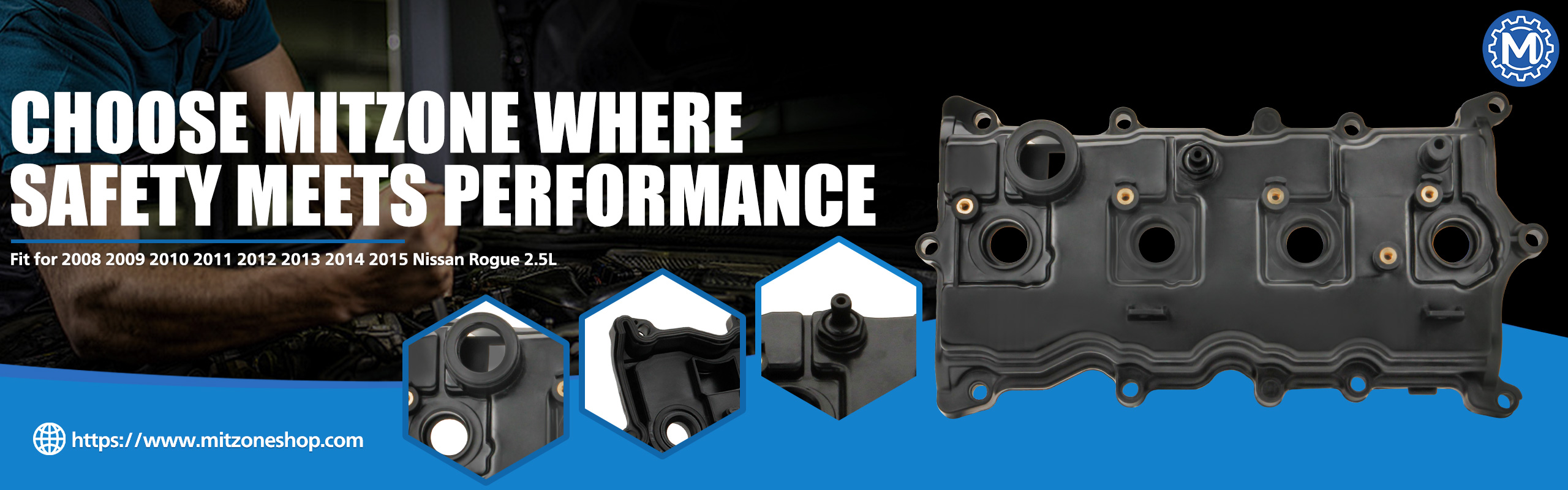
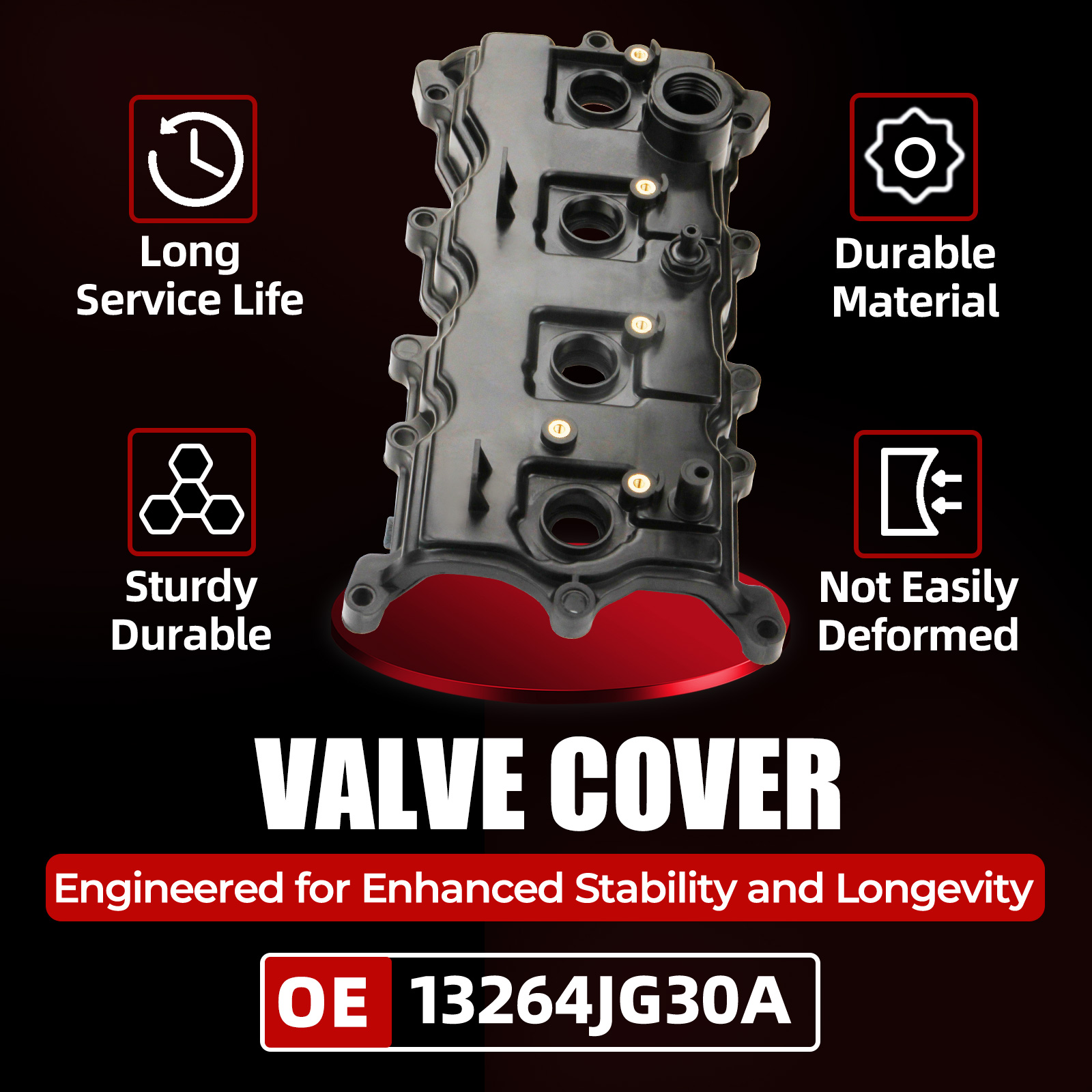
The product in question is an engine valve cover, also called a cylinder head cover assembly. In practical terms, it caps the top of the cylinder head, helps retain engine oil, and provides mounting or access points such as the oil filler opening and breather or PCV connections. The example provided shows a black molded part with a matte-to-satin finish, rectangular contours, multiple perimeter fasteners, and several round access openings. That layout is typical of modern gasoline engines where serviceability and packaging both matter.
One specific fitment detail is available: the part is shown for the 2008–2015 Nissan Rogue 2.5L, with part number 13264JG30A and the Mitzone brand. That kind of exact identification is useful because valve covers are not interchangeable just because they look close. A supplier can have the right appearance and still miss an internal boss, port location, or sealing profile.
Quick buyer takeaways
If you are sourcing this category, start with fitment first, then material and sealing design, then packaging consistency. That order sounds obvious, but in practice teams often reverse it and end up comparing cosmetic finish before verifying the engine code. For aftermarket service parts, especially from an exportor handling cross-border shipments, a clean fitment callout is more valuable than a glossy catalog photo.
For direct factory auto parts programs, the buyer should also ask how the cover is manufactured, whether the sealing perimeter is molded as part of the body or supported by separate gasket features, and how the supplier controls port placement and bolt-hole alignment. Even on a part that appears straightforward, small variation can show up during assembly.
Material and process considerations
Plastic or composite covers
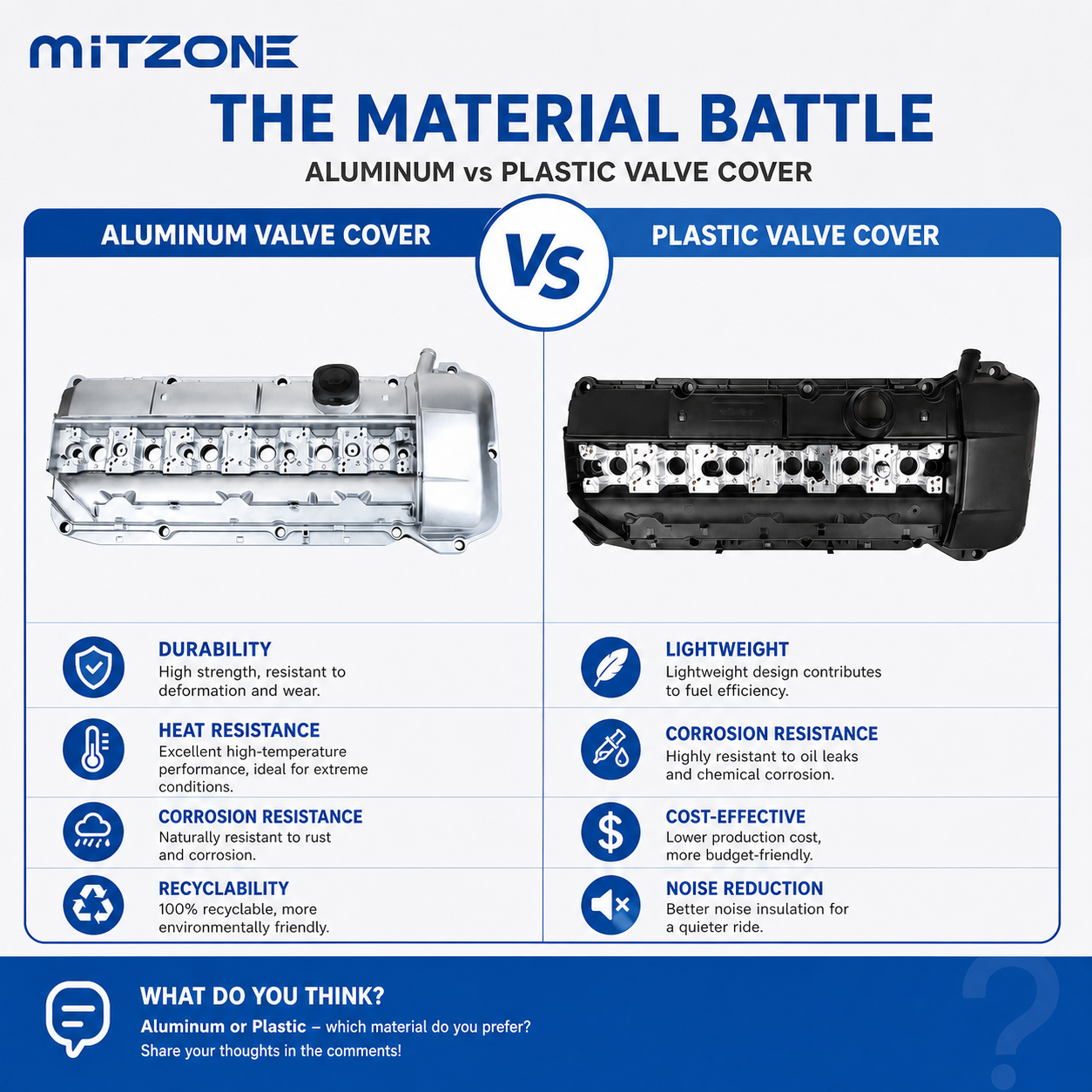
The visible part here appears to be plastic or composite rather than bare metal, though the exact material grade is not confirmed. That matters because molded covers often offer good weight savings and design flexibility, including integrated ribs, sealing channels, and accessory bungs. They are common on many newer gasoline engines. The tradeoff is that buyers need confidence in dimensional stability and heat resistance, especially when the cover is expected to see repeated service removal.
Metal covers still have their place
Some applications still favor stamped or cast metal covers, especially where service habits or engine design push in that direction. But for many OEM car parts programs, molded covers remain attractive because they can combine multiple functions in one assembly. The challenge is ensuring the molding process stays consistent from run to run. If the supplier cannot hold geometry around the bolt ears, plug well openings, or gasket channel, the part may look right and still underperform.
What to ask a supplier before placing an order
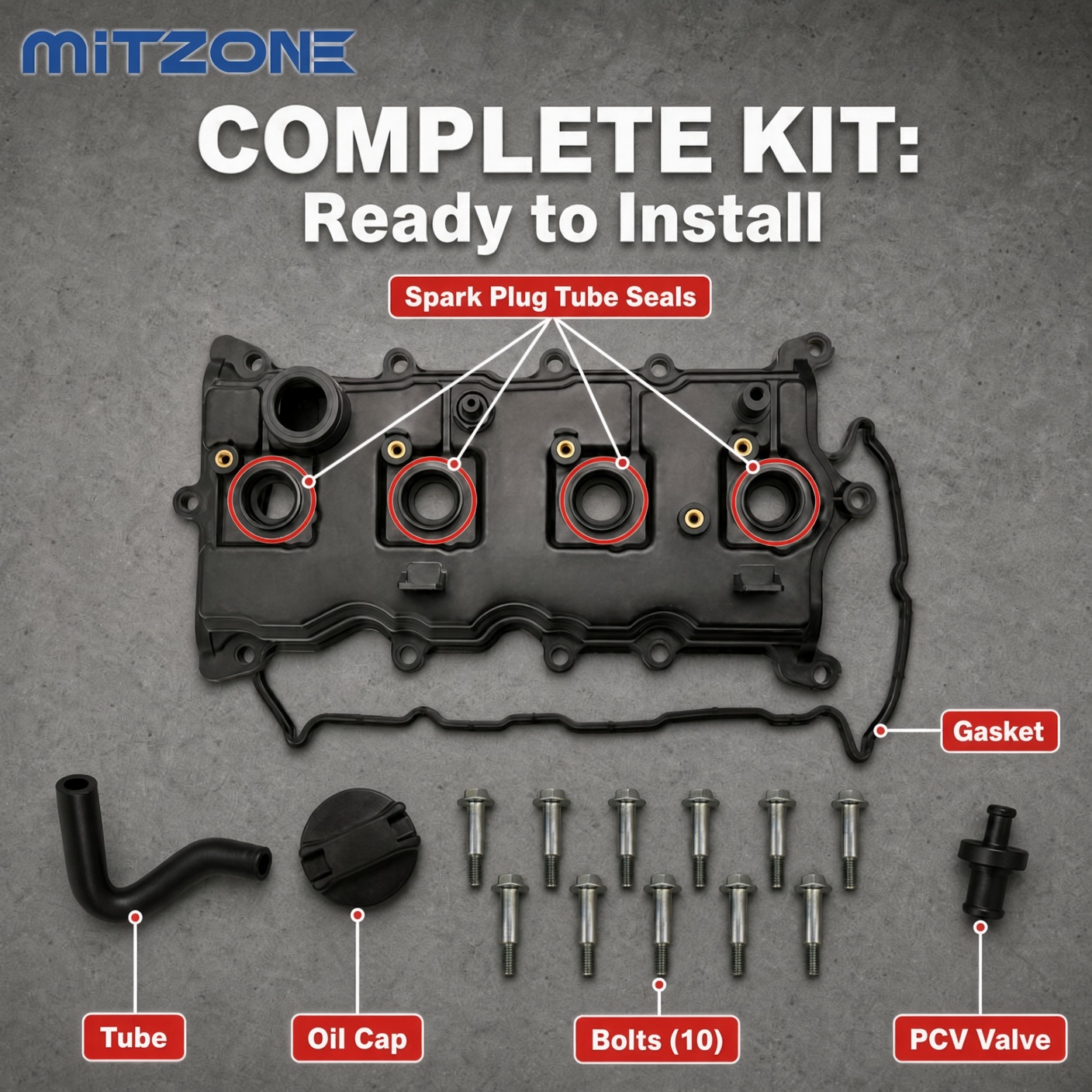
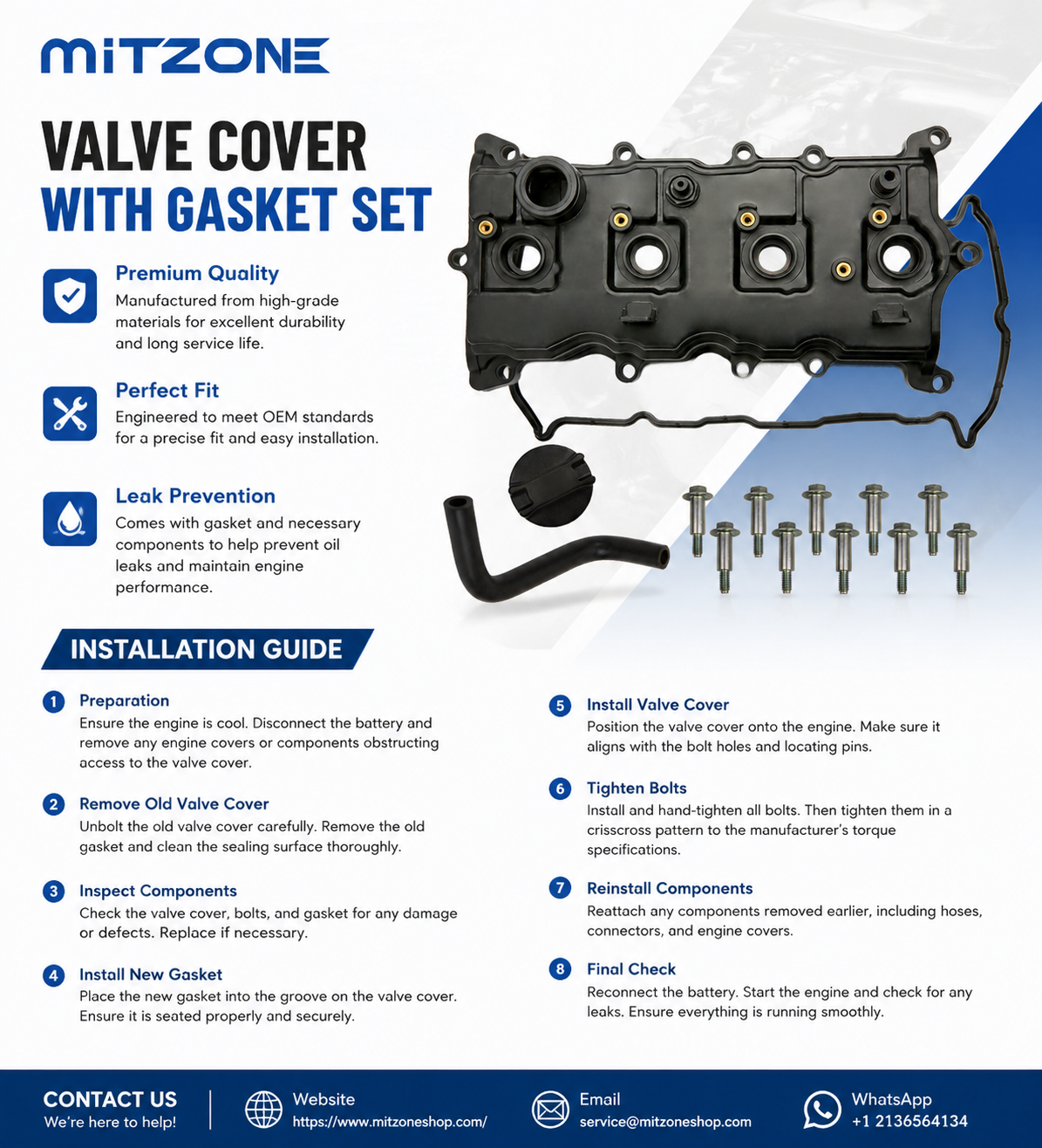
Ask for confirmed vehicle coverage, part number mapping, and clear photos of the sealing surface. If the cover includes attached fittings, request details on those bungs or ports rather than assuming they match the original. Also confirm whether the gasket, seals, or hardware are included. That sounds minor, but it changes both install prep and landed cost.
It is also worth checking whether the supplier is offering replacement parts for repair use, dealership channels, or fleet maintenance. Those channels often need different packaging and traceability expectations. A supplier serving exportor channels may be used to broad distribution, but the buyer still needs specificity on fitment and labeling. Broad claims are not enough.
Common mistakes buyers still make
The most common mistake is treating a valve cover as a commodity item. It is not. The second mistake is assuming one engine family means one cover. Even within a single vehicle line, revisions can change port geometry or mounting details. Another frequent miss is forgetting service context: a cover that looks fine in a crate may still be awkward during installation if bolt access or spark plug well clearance is off.
A more practical warning: do not accept “close enough” on sealing surfaces. With oil-related parts, close enough often becomes an oily engine bay and a frustrated service department.
Who this part is best suited for
This type of cylinder head cover assembly is a good fit for aftermarket distributors, collision and maintenance service networks, dealership parts operations, and fleet repair programs. It can also serve product teams building catalog depth around Nissan Rogue coverage, especially where the goal is to offer a direct replacement tied to a known part number.
If you are sourcing through a valve cover supplier, the real value is not simply finding a part that bolts on. It is finding one that ships consistently, installs cleanly, and matches the vehicle application closely enough to reduce avoidable return traffic.
Next step for buyers
Before placing a purchase order, confirm the exact fitment, the included components, and the supplier’s ability to support the specific engine and year range you need. For teams building an aftermarket line or stocking OEM car parts, that short checklist saves a surprising amount of trouble downstream. If the supplier can document the part number, the application, and the visible design details clearly, you are already ahead of many buyers who try to sort it out after the first complaint arrives.