
What buyers really need from a valve cover supplier
When a buyer searches for a valve cover supplier, the question is usually not just “who can sell me a part?” It is whether that supplier can keep an engine sealed, keep returns down, and support a repair schedule without causing avoidable delays. For engine repair shops, distributors, and sourcing teams, the valve cover is one of those parts that looks simple until it starts leaking oil, warping under heat, or arriving with the wrong sealing details.
That is why the supplier decision matters. A valve cover sits on top of the cylinder head and has a direct influence on oil containment, crankcase ventilation interfaces, and the cleanliness of the engine bay. If the cover is off by shape, material behavior, or sealing design, the result is often a comeback job. In aftermarket buying, that is expensive in a way that a purchase order line item does not show.
What this part does and why the construction matters
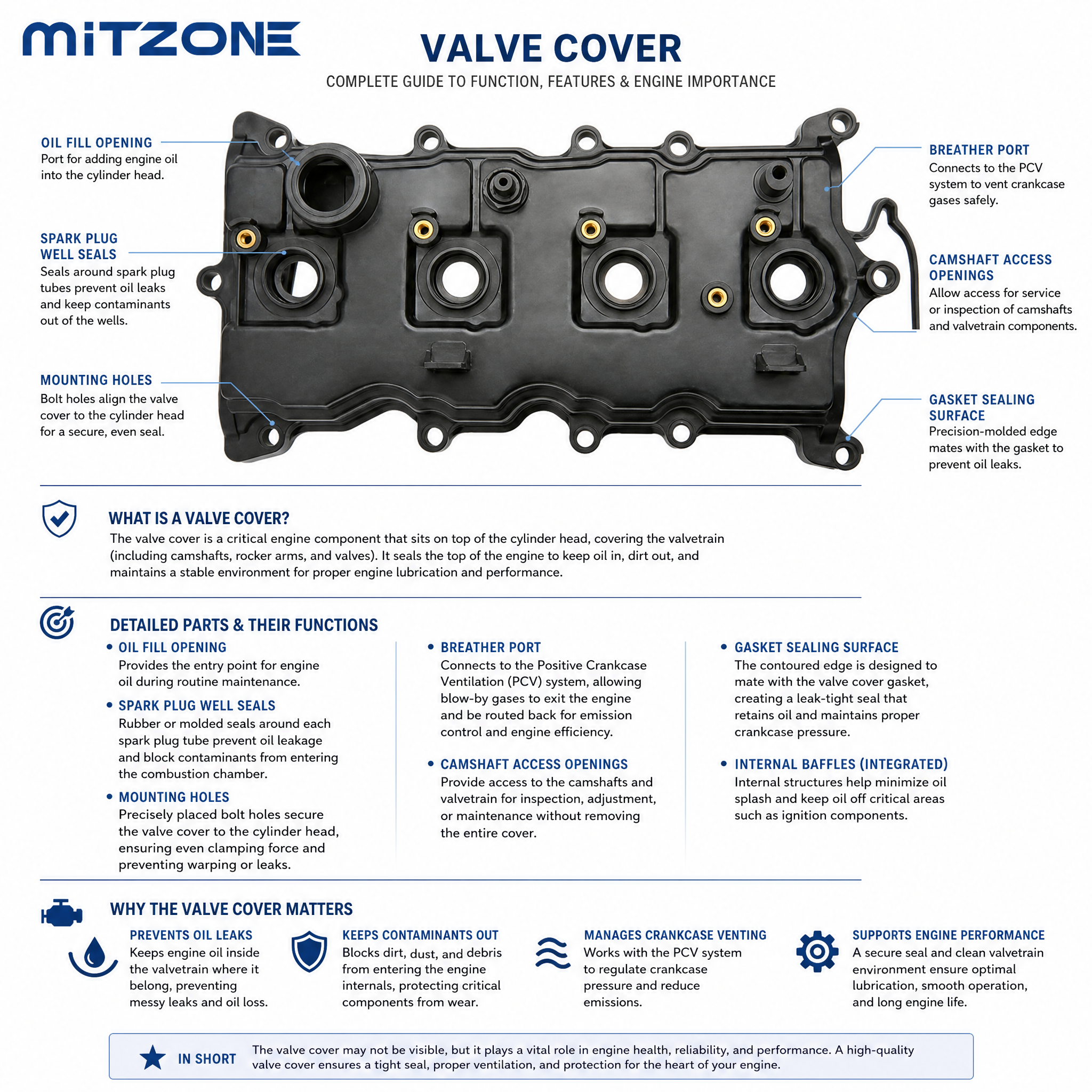
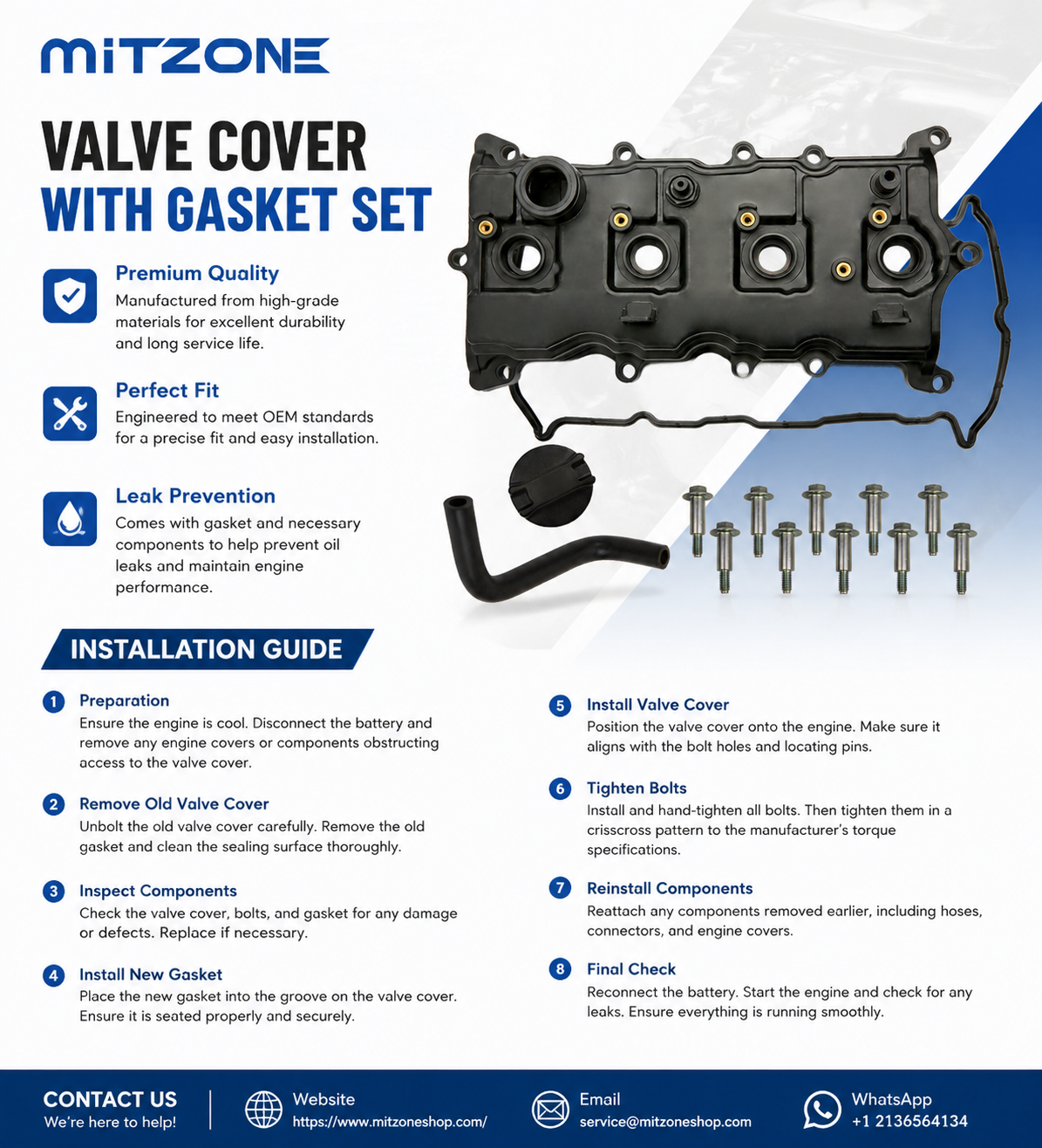
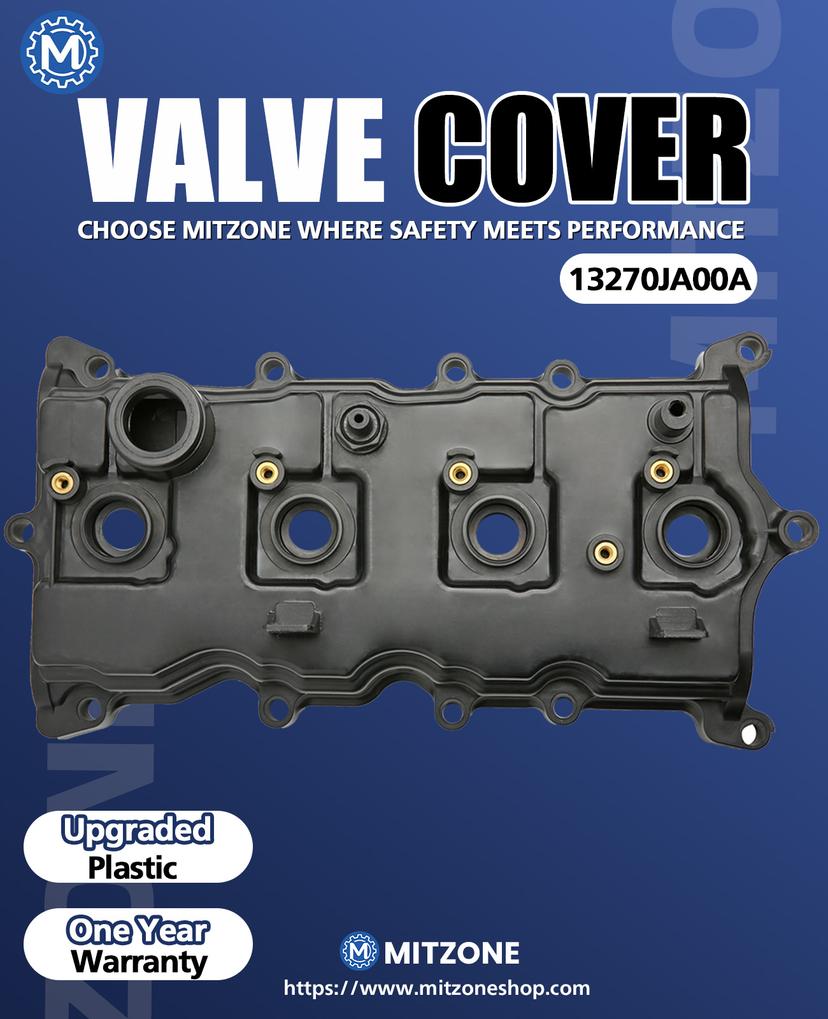
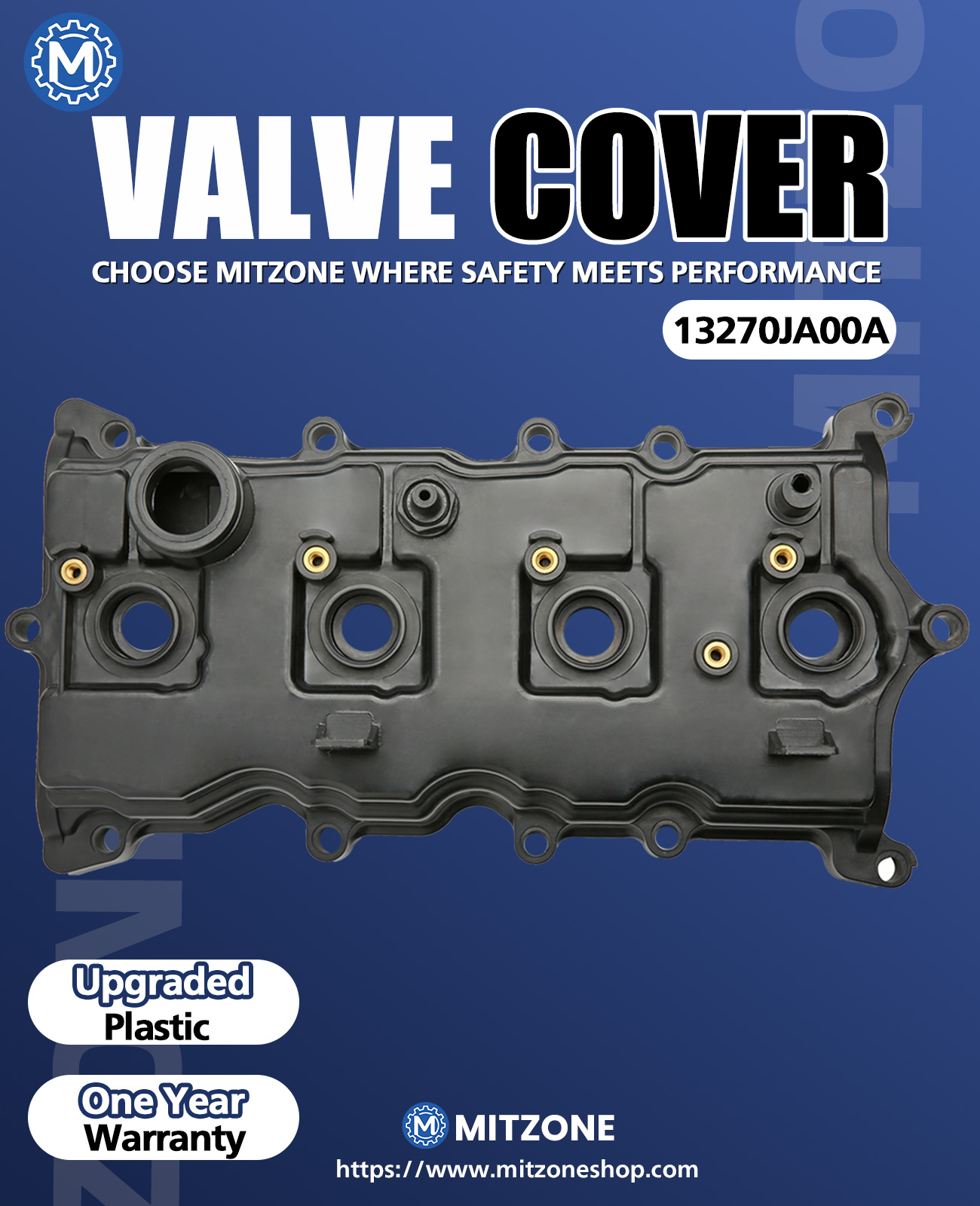
The product data here points to an automotive engine valve cover, also called a rocker cover assembly. The visible structure is a long rectangular black cover with multiple circular access openings, raised sealing ribs, perimeter bolt mounting points, and integrated seal inserts or bushings. That design suggests a direct-fit replacement style part for a compatible engine application, likely using molded plastic rather than stamped metal.
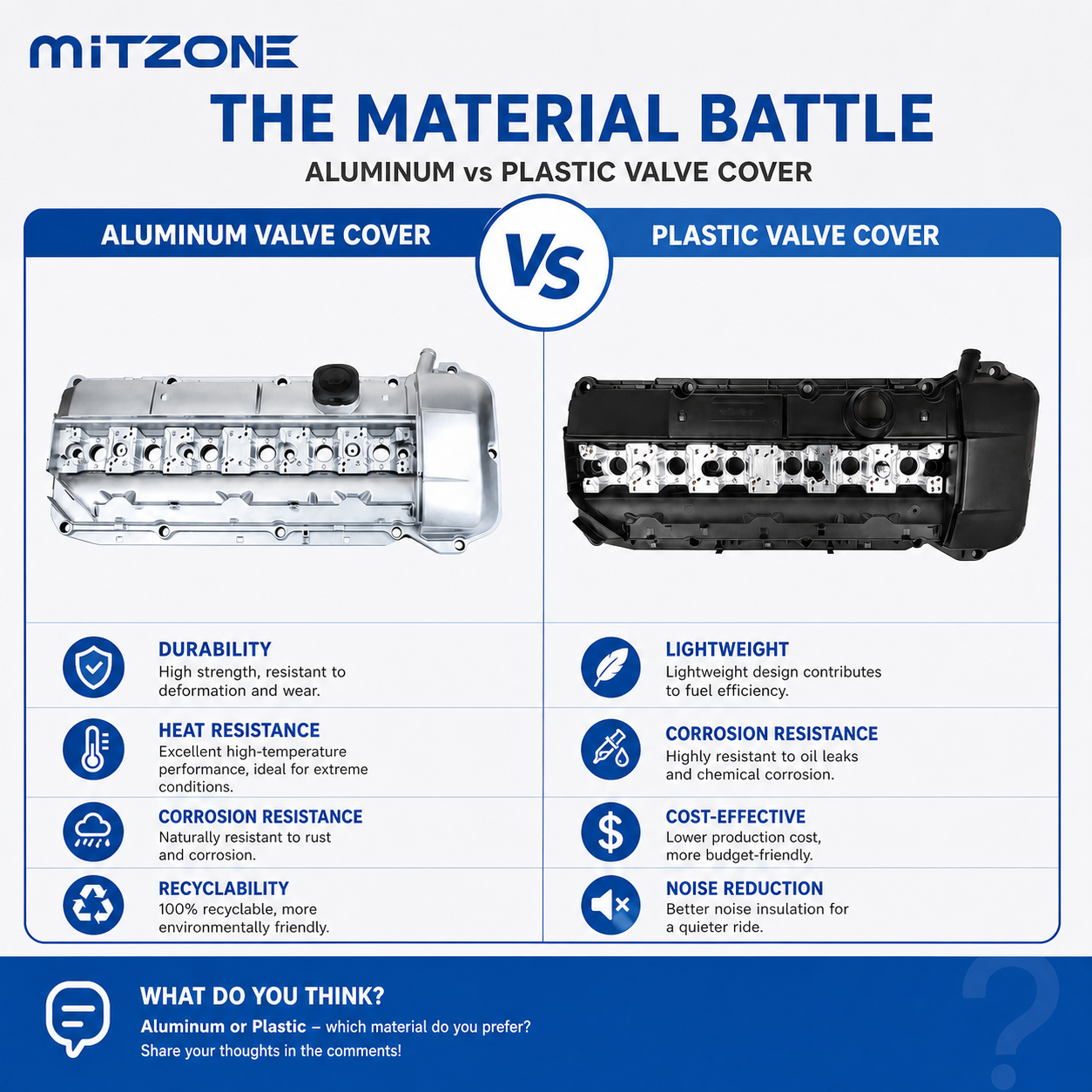
Plastic valve covers are common in modern repair channels because they can reduce weight and simplify integrated features. The tradeoff is that material quality and molding consistency matter a great deal. A cover made from an “upgraded plastic” compound may be attractive to buyers looking for a practical replacement, but the exact polymer is not specified here, so it is wiser to ask the supplier how the part behaves under heat cycling, oil exposure, and repeated torque load. Those are the real service conditions that expose weak parts.
Quick buyer check: what to compare before placing an order
If you are comparing valve cover options, the fastest review usually comes down to four points: fitment, sealing geometry, material behavior, and support.
Fitment is the first filter. The product information lists part number 13270JA00A and also mentions 13264JA00A. Those identifiers help with sourcing, but buyers should still confirm compatibility before stocking or shipping. Vehicle make, model, year, and engine code are not supplied here, so no one should assume universal fit.
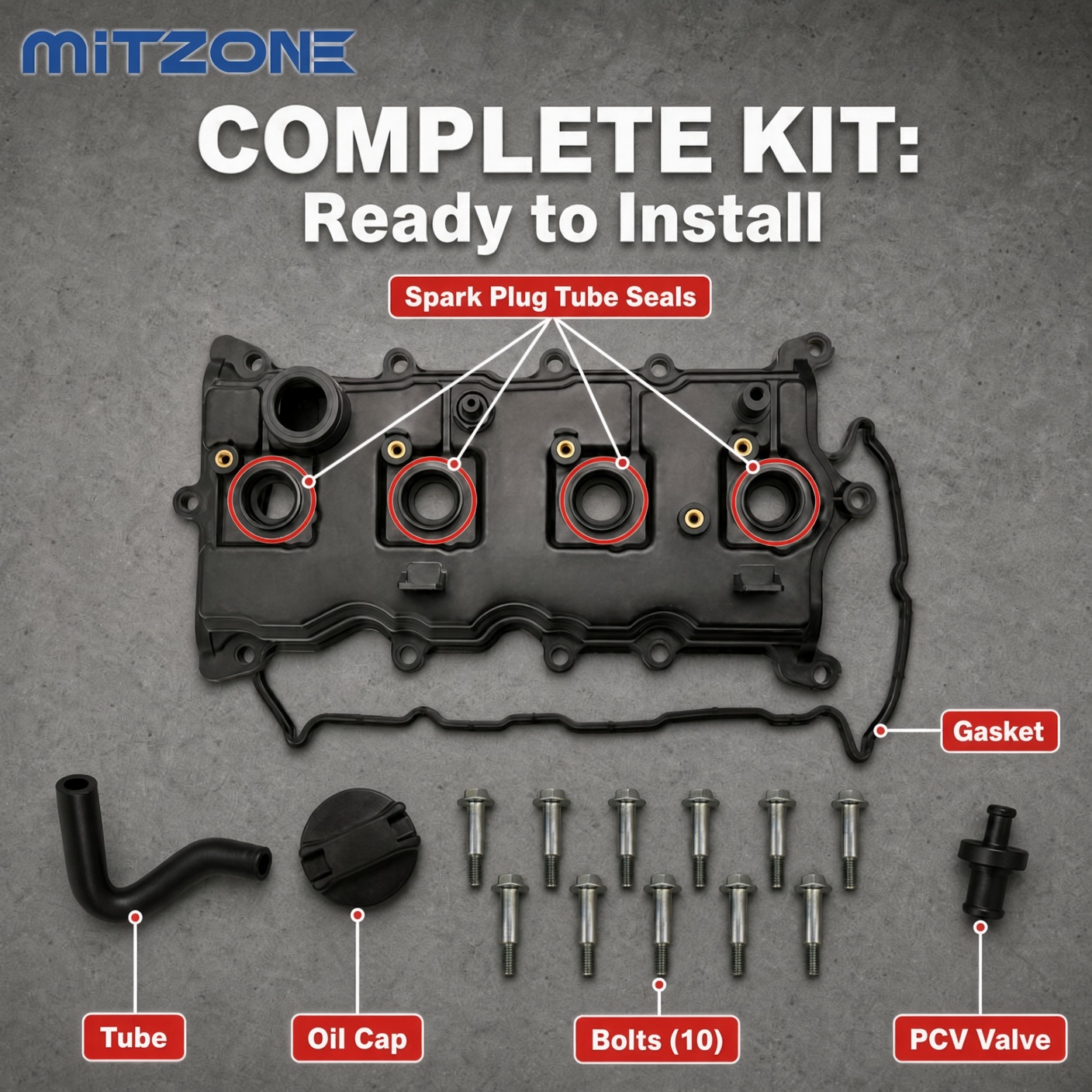
Sealing geometry is the next point. This part appears to include multiple sealing interfaces and possible port or grommet features. That matters because oil leaks often start at the interface, not the main shell. If a supplier cannot clearly explain whether gaskets, seals, or spark plug tube inserts are included, the buyer should treat that as a warning sign and request clarification in writing.
Material behavior is the third. A black molded plastic cover with a matte finish may look straightforward, but thermal stability and warpage resistance are what determine service life. For shops and distributors, the practical question is whether the part will remain flat enough to seal after installation and after normal engine heat cycles.
Support is the last item, and it is easy to overlook. The stated one-year warranty is useful as a baseline, but warranty language alone does not tell the whole story. Buyers should still ask how claims are handled, what photographs or measurements are required, and whether the supplier can provide repeatable batch quality.
Where direct factory auto parts help — and where they do not
Many sourcing teams prefer direct factory auto parts because they want fewer handoffs and more control over quality communication. That is a sensible instinct. Fewer intermediaries can make it easier to confirm part numbers, packaging, and consistent supply. For a replacement valve cover, that can mean fewer mistakes in labeling and fewer headaches when a reorder is needed.
Still, “direct factory” is not a magic word. A factory or exportor that serves the aftermarket still needs disciplined documentation. For a part like this, the useful questions are practical: Can they match the listed part number? Can they supply clear photos of the bolt pattern and sealing surfaces? Can they state whether the cover is supplied as an assembly or a shell only? Those answers matter more than sales language.
OEM car parts, aftermarket replacements, and the middle ground
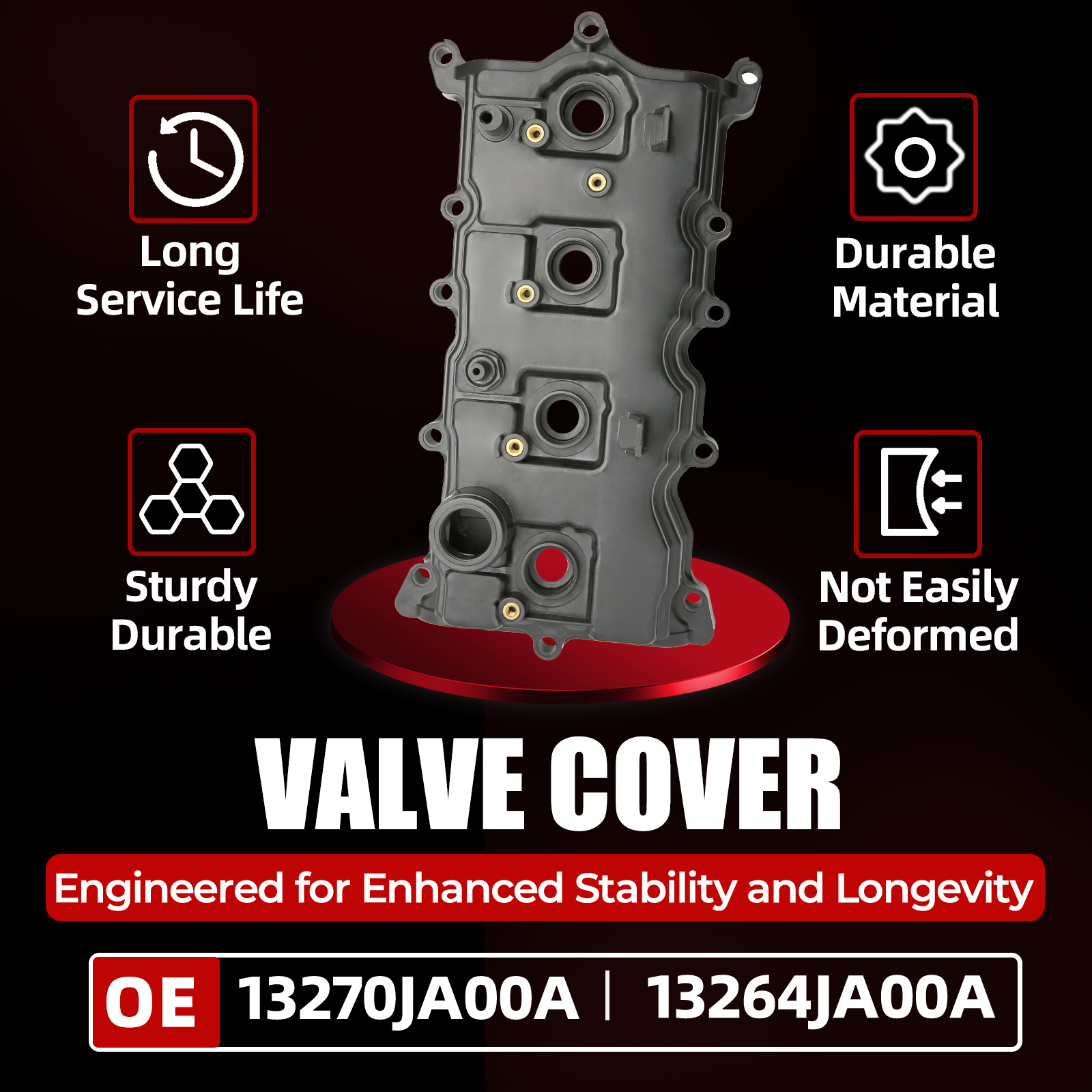
Buyers often search for OEM car parts when they want confidence in fit and service consistency. In valve cover procurement, though, the market often includes aftermarket alternatives that are built to a direct-fit pattern and sold by part number. This Mitzone-branded unit appears to sit in that category: a replacement part with visible engine-cover geometry and specific reference numbers, but without enough data here to call it original equipment.
That distinction is not academic. A sourcing manager may need a true OEM channel for warranty work, while an independent repair distributor may value an aftermarket option that is easier to stock and more cost-effective. The right answer depends on the application, the customer’s expectations, and the risk tolerance of the workshop. A fleet buyer, for example, may care more about predictable replacement cycles than brand origin alone.
Common mistakes buyers make with valve covers
The biggest mistake is assuming all covers with the same silhouette are interchangeable. They are not. Even when the top shape looks similar, the bolt pattern, vent locations, and integrated sealing features can differ enough to cause trouble.
A second mistake is buying on part number alone without checking what is included. A valve cover assembly may or may not ship with gaskets, grommets, or tube seals. If that detail is missing, the installer can lose time waiting for extra components.
A third mistake is ignoring packaging and handling. Molded plastic parts can be damaged by rough stacking or poor storage long before they reach the engine bay. That is especially relevant for distributors and export buyers who move parts through multiple logistics stages.
Practical advice for sourcing teams and repair buyers
For buyers building a dependable supply chain, the safest approach is to request a technical sheet tied to the part number, then compare it against a physical sample if available. Ask for the measured bolt pattern, sealing edge profile, and any notes on vent or PCV-related openings. If the supplier provides assembly photos, check that the sealing inserts and bushings are actually part of the delivered unit.
For repair shops, the key issue is uptime. A valve cover replacement is often linked to an oil leak complaint, so delays can quickly affect customer confidence. Stocking the right replacement part can save a second teardown. That is especially true when the part is used in routine engine maintenance rather than an unusual rebuild.
If you are evaluating a valve cover supplier for export, distribution, or workshop use, ask for clarity first and marketing language second. A supplier that can explain the part number, the construction, and the included components is usually easier to work with later when the order volume increases.
What to ask before you buy
Before placing an order, confirm the following: exact part number match, whether the cover includes gaskets or seals, material description, warranty terms, and packaging method. If the supplier can also confirm the replacement is suitable for compatible vehicles without overstating fitment, that is a good sign.
That is usually enough to separate a workable sourcing option from a part that will create avoidable returns.
Next step for buyers
If you are comparing suppliers for engine repair inventory or aftermarket distribution, start with the part number and sealing details, then request a sample or technical confirmation. A reliable valve cover supplier should make that process straightforward, not vague.