
Picture this. On a calm Sunday morning, you're pulling out of the driveway when you smell what smells like burning oil. When you open the hood, you see a thick, dark film covering the top of your engine. It hurts to swallow. Is this serious? Is it expensive?
The valve cover is the component that is least likely to cause a mechanic's concern under the hood. Study this guide to be aware of its presence, as it can save you a lot of trouble with a minor detail.
What Is a Valve Cover?
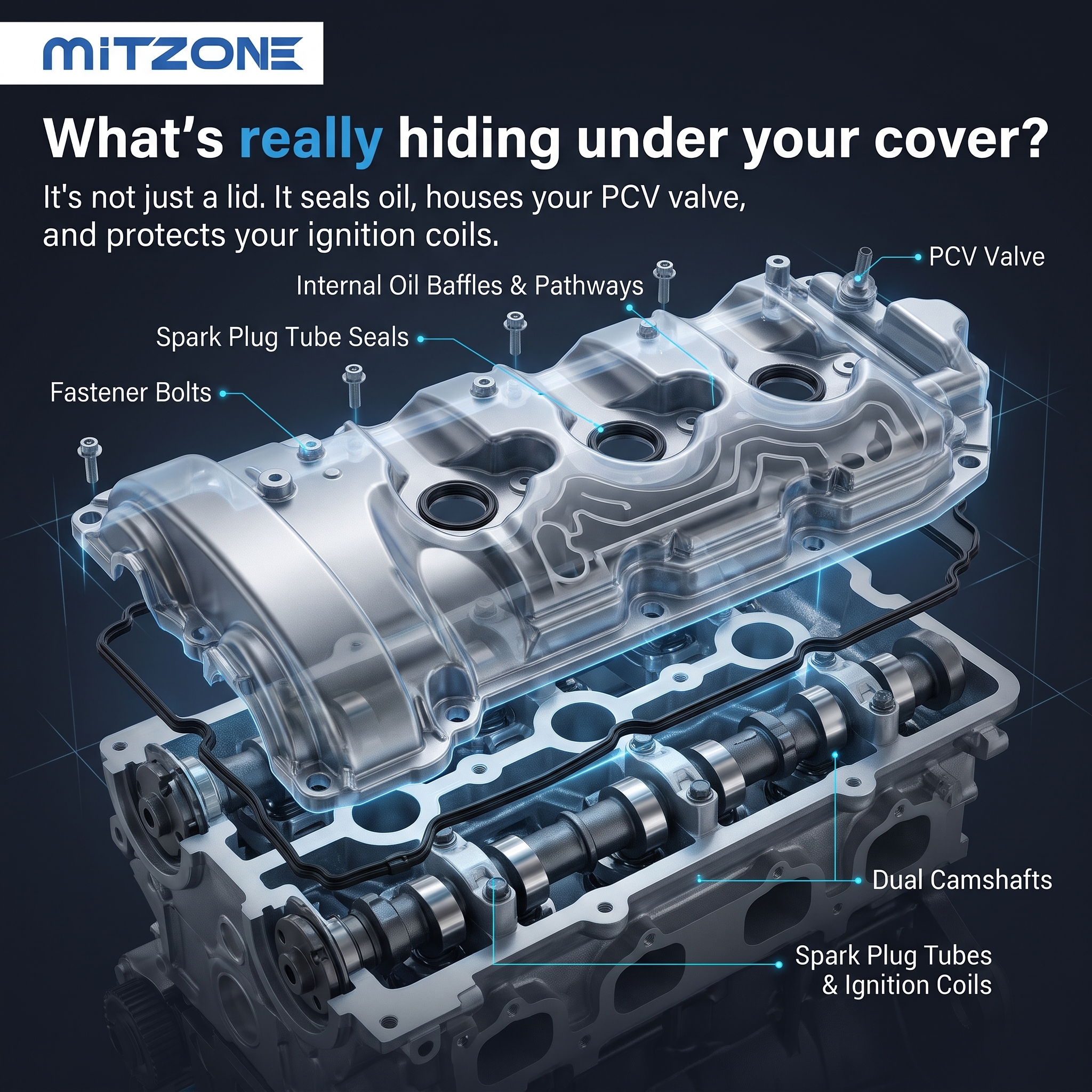
A valve cover is a cover on the engine's cylinder head that seals the valvetrain, including the camshafts, rocker arms, springs, and lifters. These parts require a steady supply of oil to ensure their proper operation as they move up and down several thousand times per minute.
This cover can be considered the roof of the engine's most active area. It keeps the oil in and the dirt, dust, and moisture out.
Functions of valve cover:
-
Internally stores valvetrain oil.
-
Keeps dust, water, and debris away
-
Many engines' PCV (Positive Crankcase Ventilation) system parts are housed here.
-
Holds oil filler cap and possibly sensors, coils, or wires.
-
Silences the noisy valvetrain below
What is the importance of a valve cover?
Valve covers fail often cause significant harm. Oil leaks can cause smoke or fires in hot exhaust components. Misfires can result from drips into spark plug wells. A neglected leak can also starve the valvetrain of lubrication, which means expensive repairs.
A 20–100 parts can protect a $5,000 engine. That’s a trade most of us would happily take.
Meet Valve Cover 55573746
Let’s make this real with a specific example. The 1.4L turbocharged four-cylinder engine found in many General Motors cars is given the OEM number 55573746 for the valve cover. It usually includes cars like the Chevy Cruze (2011–2016), Sonic, Trax, and Volt. Depending on the description, it may also include the Buick Encore and Cadillac ELR.
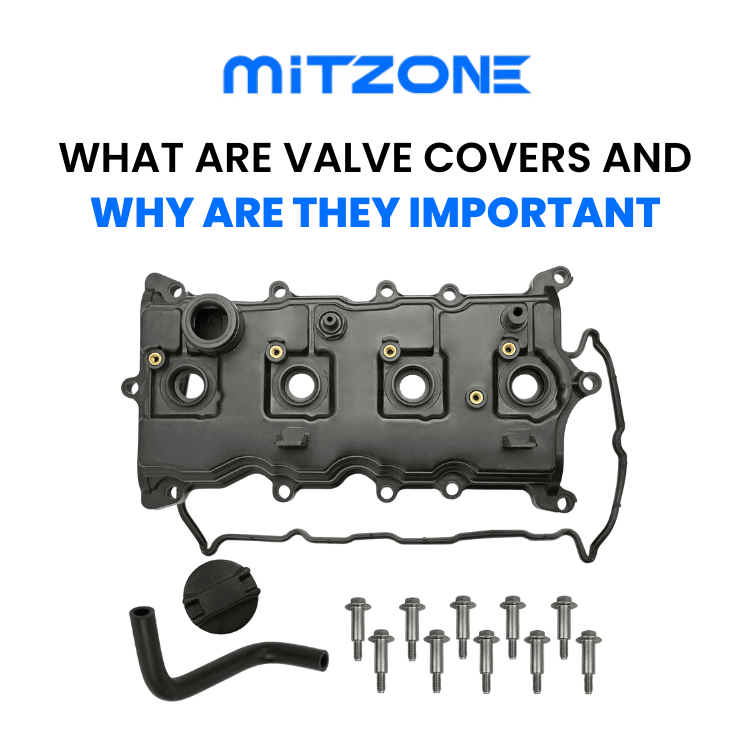
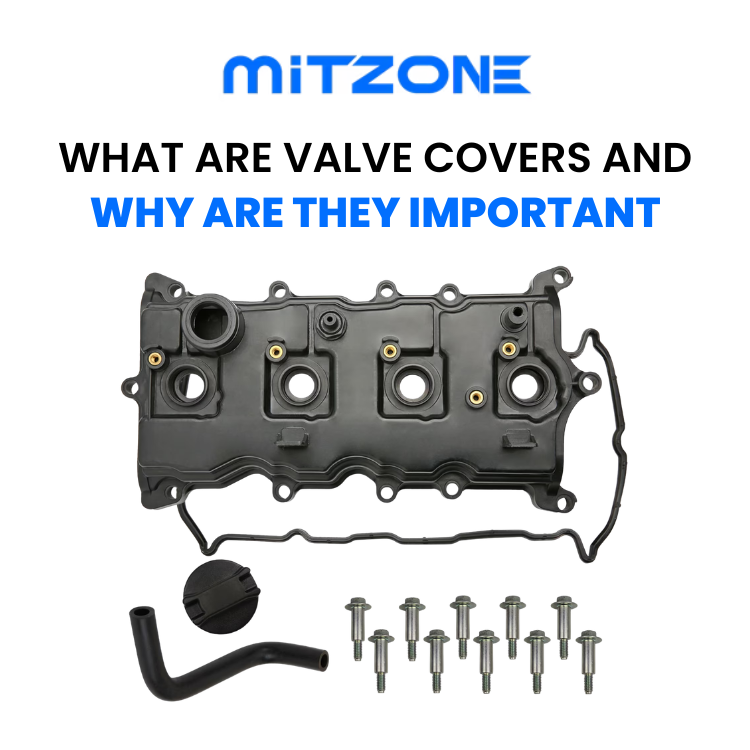
An entire Valve Cover 55573746 system usually has the cover, the gasket, and the bolts. It also includes the oil cap and a PCV valve built right in. As it's built right into the cover, this engine's PCV system is very useful. You could have an oil leak and an air problem at the same time if your Valve Cover 55573746 breaks.
Common Valve Cover Failure Points and Warning Signs
Most of the time, valve covers break slowly over time instead of all of a sudden. Keep an eye out for these usual signs of trouble:
-
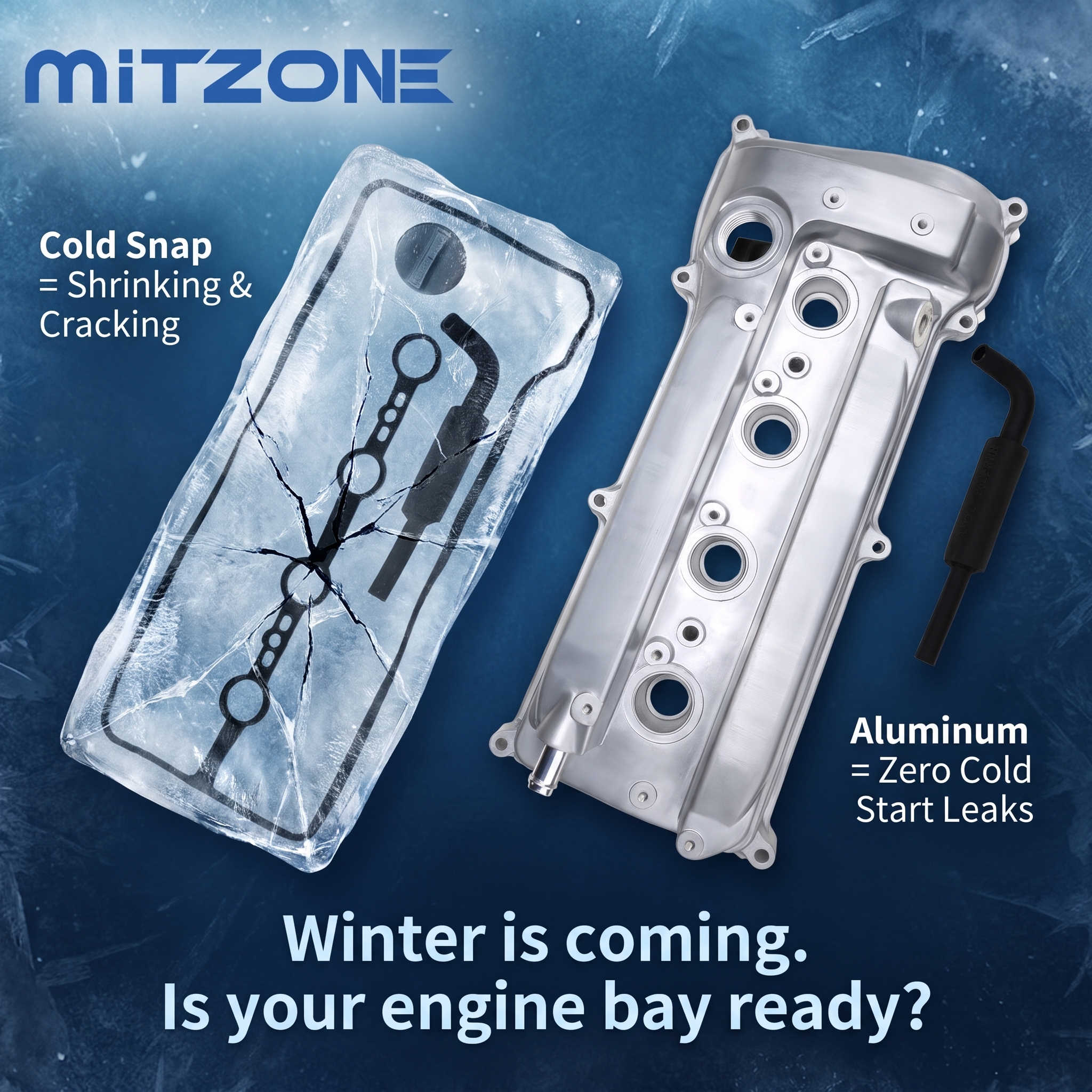
Hardened or deformed gaskets: The rubber breaks down and stops sealing after years of being heated and cooled. After that, oil starts to leak out of the cover's edges.
-
Warped or cracked covers: When bolts are too tight, or the plastic cover gets too hot, it can break. Metal covers can bend if the bolts are not tightened all the way.
-
Broken PCV valve/diaphragm: It gets too hot inside the engine when the PCV system stops venting properly. This could lead to a rough idle, a buzzing sound, or oil leaking through the seals.
-
Loose or stripped bolts: Bolts that aren't tight enough can let air into the seal. People often find leaks right after fixing something.
-
Cracked oil filler cap: Oil can spill from a cracked cap, disrupting the engine's pressure equilibrium.
Warning signs to watch for:
-
Engine warm-up burning oil smell
-
Visible oil around the top of the engine
-
Oil in the spark plug wells
-
Misfires or rough idle
-
Dropping oil level with no obvious drip underneath the car
Valve Covers Across Different Engine Types
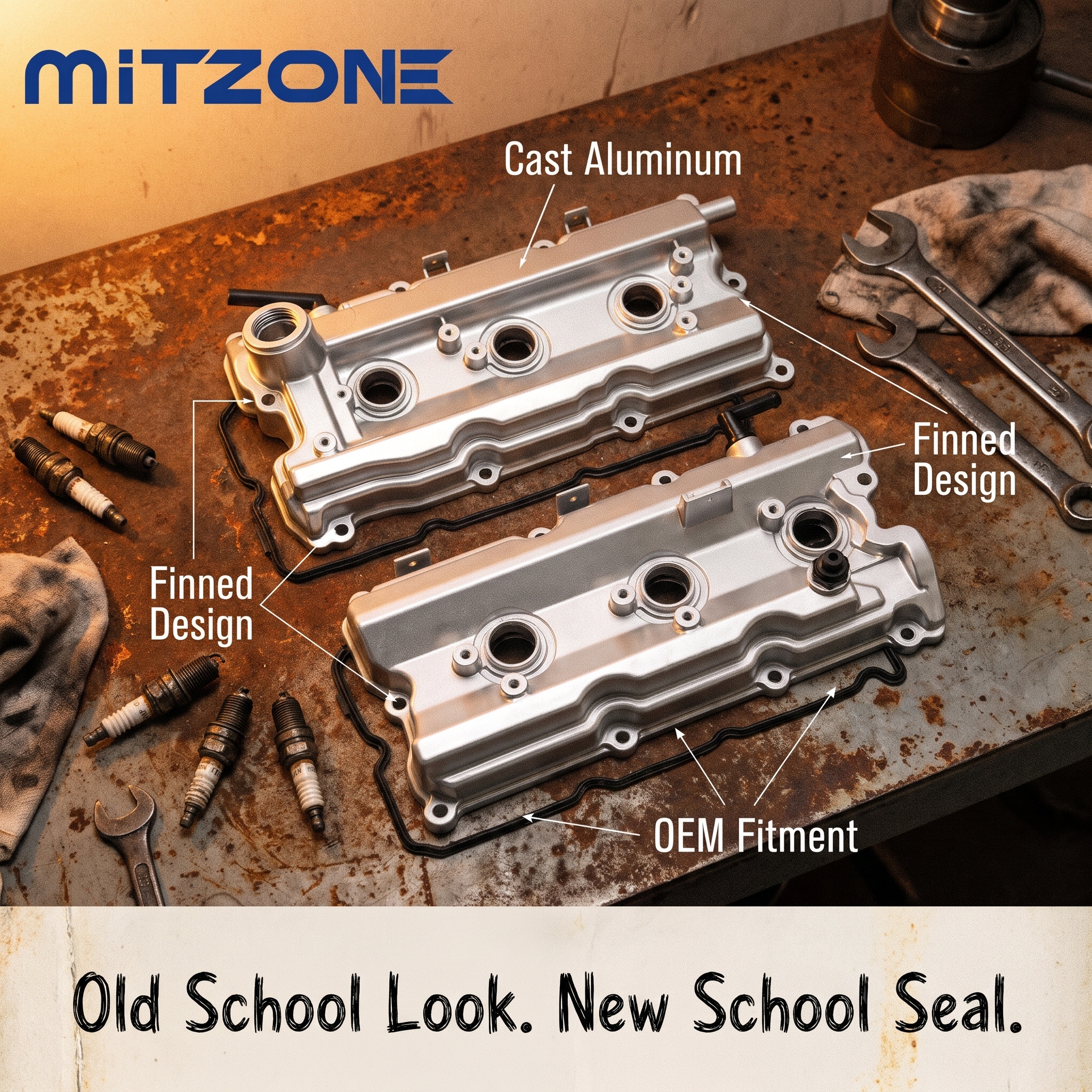
Not all valve covers are created equal. The design depends heavily on the engine. Here’s a quick comparison:
|
Engine Type |
Typical Cover Material |
Number of Covers |
Key Features |
|
Inline 4-cylinder (e.g., 1.4L turbo) |
Plastic/composite or aluminum |
1 |
Often integrates PCV and oil cap, like Valve Cover 55573746 |
|
V6 / V8 |
Aluminum, magnesium, or composite |
2 (one per bank) |
Left and right covers are often different; they may carry coil packs |
|
Inline 6 (e.g., turbo six) |
Composite or aluminum |
1 |
Long cover; often includes crankcase vent components |
|
Diesel engines |
Cast aluminum or heavy-duty composite |
1 or 2 |
Built for higher pressures and heavier vibration |
|
Boxer / flat engines |
Aluminum |
2 |
Mounted on the sides, so gasket sealing is more demanding |
Note: Keep in mind that even if a cover looks identical, it may not suit another engine family. Thus, part numbers are important.
Torque Specifications: Why Accuracy Matters
Here’s where good intentions go wrong. Valve cover bolts are small, and it’s tempting to crank them down. Please don’t. Covers and gaskets crack most often due to overtightening.
Verify your factory service handbook, as each engine has unique specifications. The values below are typical ranges:
|
Fastener / Application |
Typical Torque Range |
Pro Tips |
|
Valve cover bolts (small 4-cyl, composite cover) |
7–10 N·m (62–89 lb-in) |
Tighten in a spiral pattern from the center outward |
|
Valve cover bolts (aluminum cover, V6/V8) |
8–12 N·m (71–106 lb-in) |
Often done in two or three passes |
|
Spark plug tube/coil bolts |
8–10 N·m (71–89 lb-in) |
Check the spec for your engine |
|
Oil filler cap |
Hand-tight |
Never use a wrench |
*Notice that these are in lb-in (inch-pounds) and N·m, not lb-ft. A common mistake is using a foot-pound wrench when you shouldn't have. Get the proper torque wrench and follow your repair manual.
A Few Human Tips Before You Pick Up a Wrench
I’ve seen how a “quick weekend fix” can turn stressful, so here’s some friendly advice:
-
Clean the mating surface thoroughly. Even a speck of old gasket can cause a new leak.
-
Replace the gasket and bolt seals every time you remove the cover.
-
Inspect the PCV system while you’re in there. It’s cheap insurance.
-
Don’t use too much sealant. If the gasket needs RTV at the corners, use only what’s called for.
-
Let the engine cool before starting. Hot aluminum and impatience don’t mix.
-
Recheck torque after the first heat cycle if your manual recommends it.
And if you’re unsure, there’s no shame in asking a pro. Knowing your limits is part of being a smart car owner.
Conclusion
A valve cover may not be the most glamorous of parts, but it serves to protect the most important component in your engine. You can use Valve Cover 55573746 to fix a leak in your Cruze or repair your family SUV. It can restore that peaceful idle and clean engine bay. It can also let you enjoy the open road.
That’s where MITZONE comes in. MITZONE is a famous US-based auto parts manufacturer emphasized quality, longevity, and a good fit. Valve covers, intake manifolds, coolant thermostat assemblies, and oil pans are all in its line. These parts are designed for drivers who value efficiency and dependability.
Don't panic if you smell burning oil again. Check your valve cover and acquire the proper part to feel safer driving again. You'll make your car happier.
Ready to fix that leak? Visit MITZONE to find the right valve cover for your vehicle. MITZONE helps consumers, repair shops, and parts distributors find replacement parts. It offers US warehouse direct shipment and both B2B wholesale and B2C retail choices.
Visit www.mitzoneshop.com to check fitment, browse items, and get a price. Contact sales at service@mitzoneshop.com or +1 213-656-4134 via WhatsApp.
Frequently Asked Questions
1. What does a valve cover do?
It seals the top of the engine, keeping oil in and dirt, dust, and moisture out. It also protects the camshafts, rocker arms, and valve springs.
2. What are the signs of a bad valve cover?
Common signs include a burning-oil smell, visible oil around the top of the engine, oil in the spark plug wells, misfires, a rough idle, and a dropping oil level.
3. What is Valve Cover 55573746 used for?
Valve Cover 55573746 is an OEM reference number for the 1.4L turbocharged four-cylinder in many GM vehicles, such as the Chevy Cruze, Sonic, Trax, and Volt, and the Buick Encore. Always confirm fitment for your exact year and engine before ordering.
4. What comes with Valve Cover 55573746?
A complete assembly typically includes the cover, gasket, bolts, oil cap, and an integrated PCV valve. Contents can vary by listing, so check the description before buying.
5. Can I drive with a leaking valve cover?
You can for a short time, but it isn’t wise. Leaking oil can reach hot exhaust parts, cause smoke or a fire risk, and lead to low oil levels and engine damage.
6. How tight should valve cover bolts be?
Most small engines need about 7-10 N·m (62-89 lb-in), and aluminum V6/V8 covers about 8-12 N·m (71-106 lb-in). Always check your factory service manual for the exact spec.
7. Why do valve covers leak?
The most common causes are hardened gaskets, cracked or warped covers, a failed PCV valve, and loose or over-tightened bolts.
8. Do I need to replace the gasket every time I remove the cover?
Yes. Gaskets compress and harden over time, so a new one gives you the best seal.
9. Can a bad PCV valve damage the engine?
It can. A failed PCV valve causes pressure buildup, which can push oil past seals and lead to rough idling, whistling noises, and higher oil consumption.
10. Are valve covers the same for every engine?
No. Covers differ by engine type, material, number of covers, and built-in features. Inline engines usually have one, V-engines have two, and each fits only its specific engine family.