
Why thermostat housing sourcing is more than a parts-bin decision
Choosing a thermostat housing outlet supplier is not just about finding a piece that bolts on. For engine cooling systems, the thermostat housing sits at a practical crossroads: it holds the thermostat, routes coolant, and helps keep engine temperature in the range the vehicle was designed to run. If the housing leaks, warps, or does not align properly with the hose and mounting points, the repair can turn into a comeback job fast. That is why buyers in aftermarket service, repair distribution, and OEM car parts channels usually look past the surface finish and ask how the part is made, how it fits, and whether the supplier can support repeatable quality.
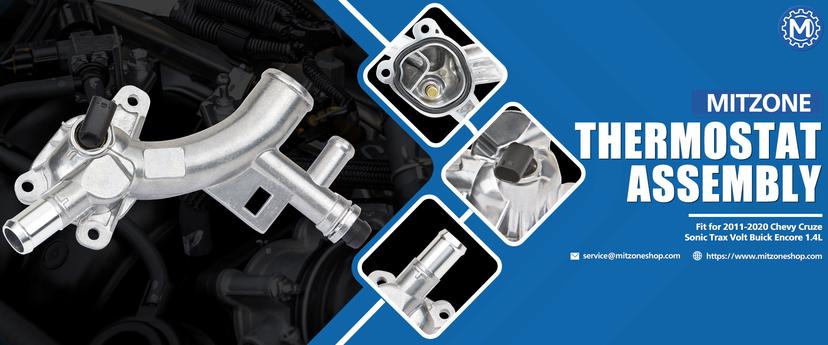
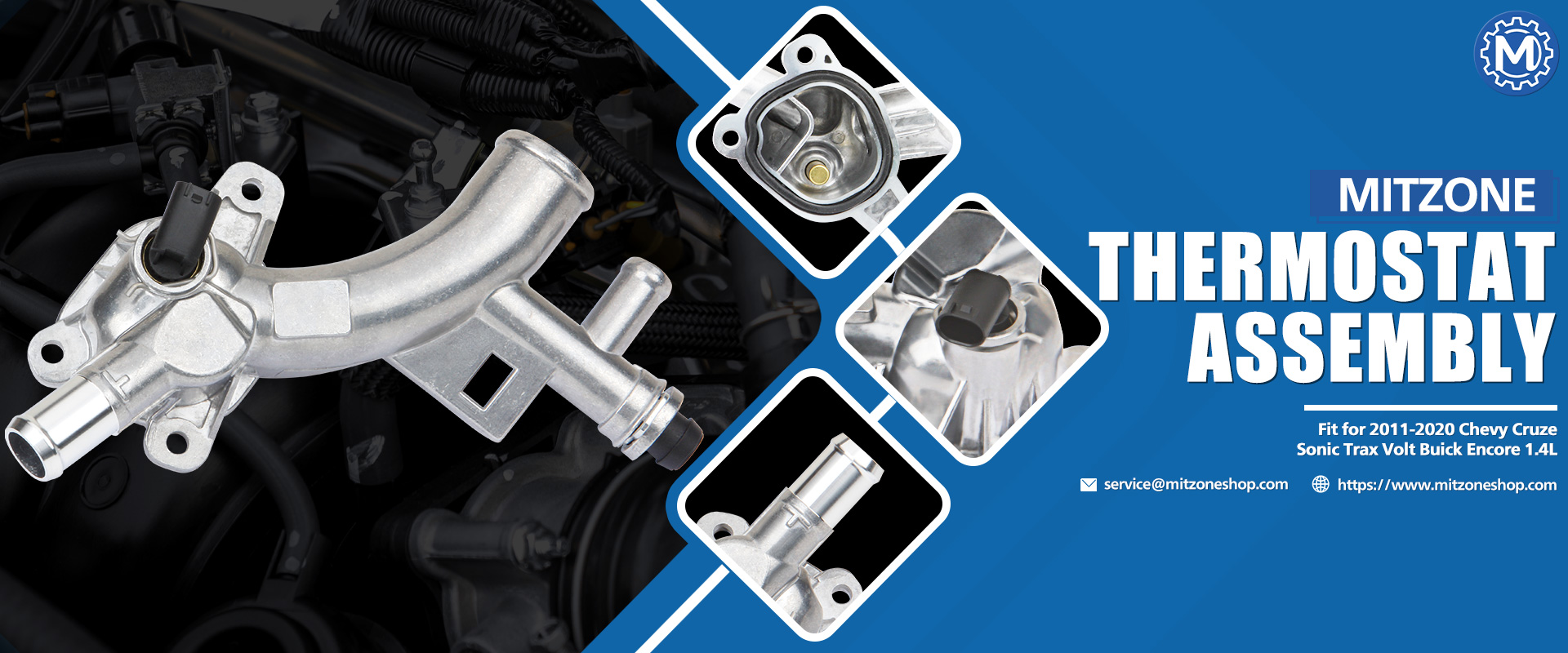
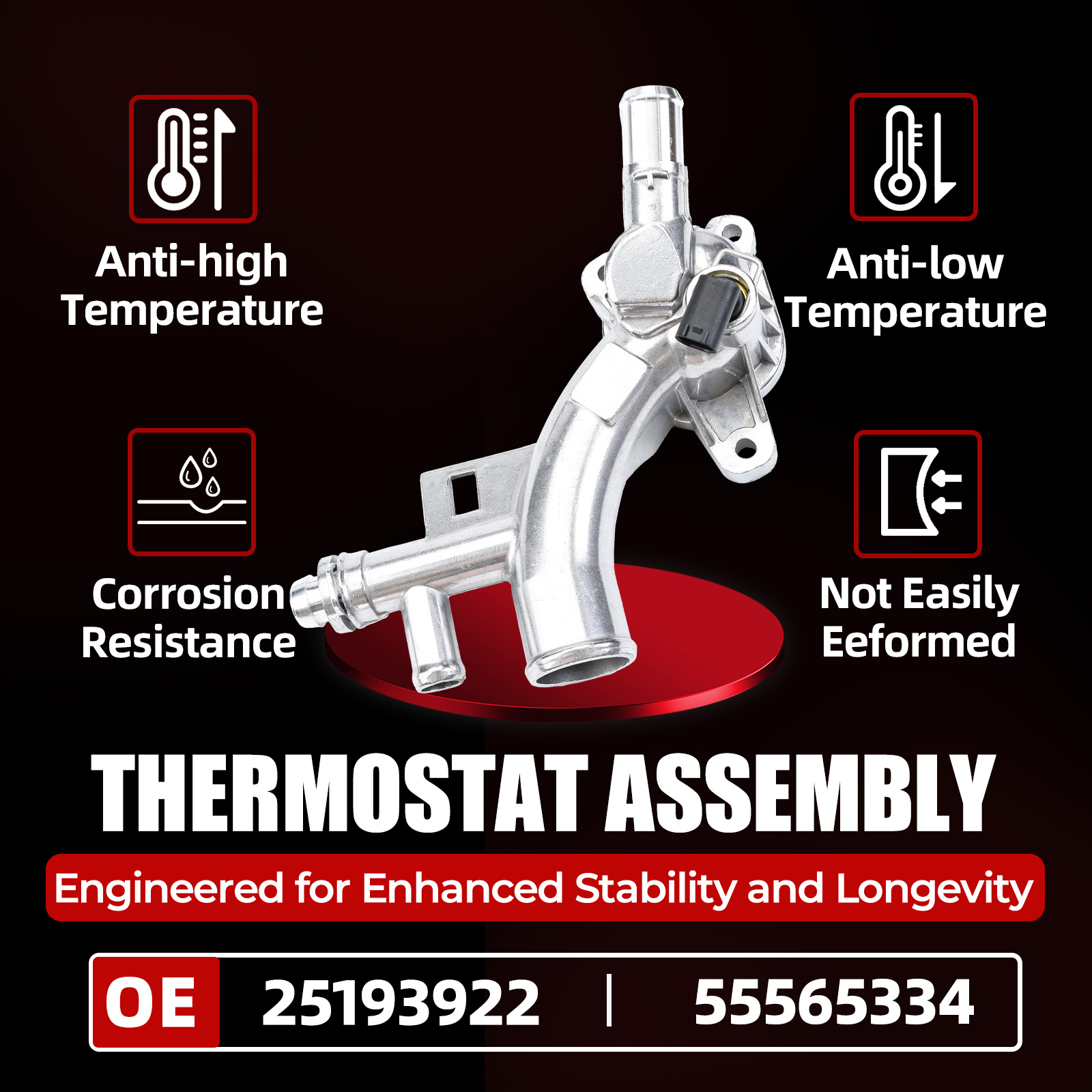
The part in question here is an automotive coolant thermostat housing / thermostat assembly for a cooling system, with a cast or die-cast metal body, machined sealing faces, and black plastic sensor or connector components on top. The notes identify it as a direct replacement-style assembly for 2011–2020 Chevy Cruze, Sonic, Trax, Volt, and Buick Encore 1.4L applications, with Mitzone part reference 55565334. That gives buyers a useful starting point, but it does not replace the need to confirm fitment details and mounting geometry against the actual vehicle application.
What this part does, and why it fails in the field
A thermostat housing is small, but its job is central to engine cooling. It provides the cavity where the thermostat opens and closes coolant flow, and it directs coolant through the system when temperature rises. On the product described here, the main passage is a curved tubular body with multiple hose connections, plus a mounting flange with bolt holes for engine attachment. That layout is common on compact engines where packaging space is tight and hose routing needs to be compact and rigid.
Failures usually show up as coolant leaks, cracked plastic fittings, warped sealing surfaces, or connector issues around the integrated sensor area. In real service work, the cause is not always dramatic. Sometimes the old gasket surface was damaged during removal, sometimes the replacement part has a slight mismatch in hose neck angle, and sometimes the cooling system was already under stress from age, heat cycling, or contaminated coolant. A buyer looking at direct factory auto parts should think about the whole repair, not just the individual casting.
Key features buyers should verify before ordering
For an outlet supplier, the useful questions are straightforward: Does the housing match the OE-style fitment? Are the hose necks positioned correctly? Is the machined sealing face clean and consistent? Does the electrical connector or sensor interface match the intended application? These details matter more than marketing language.
Practical checkpoints
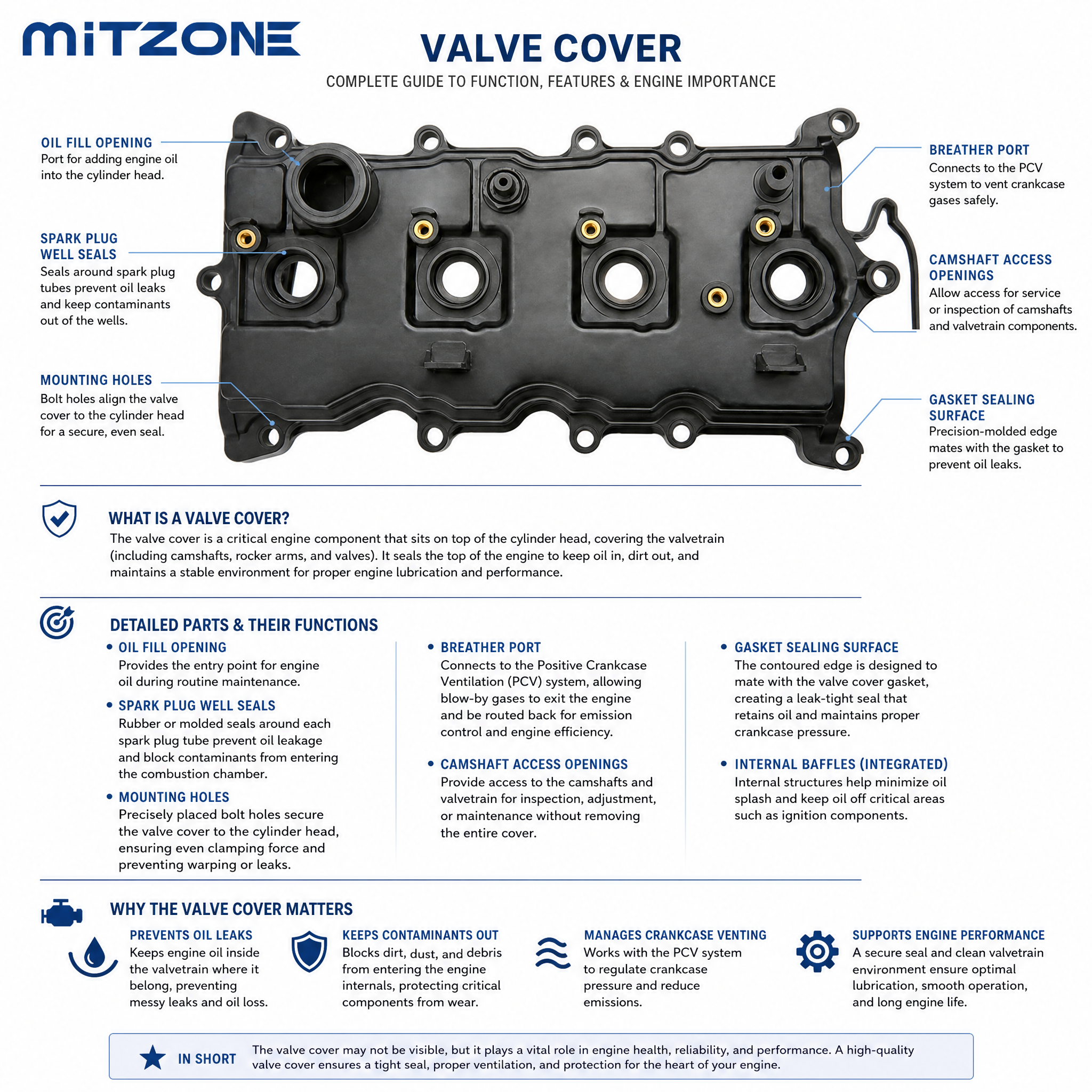
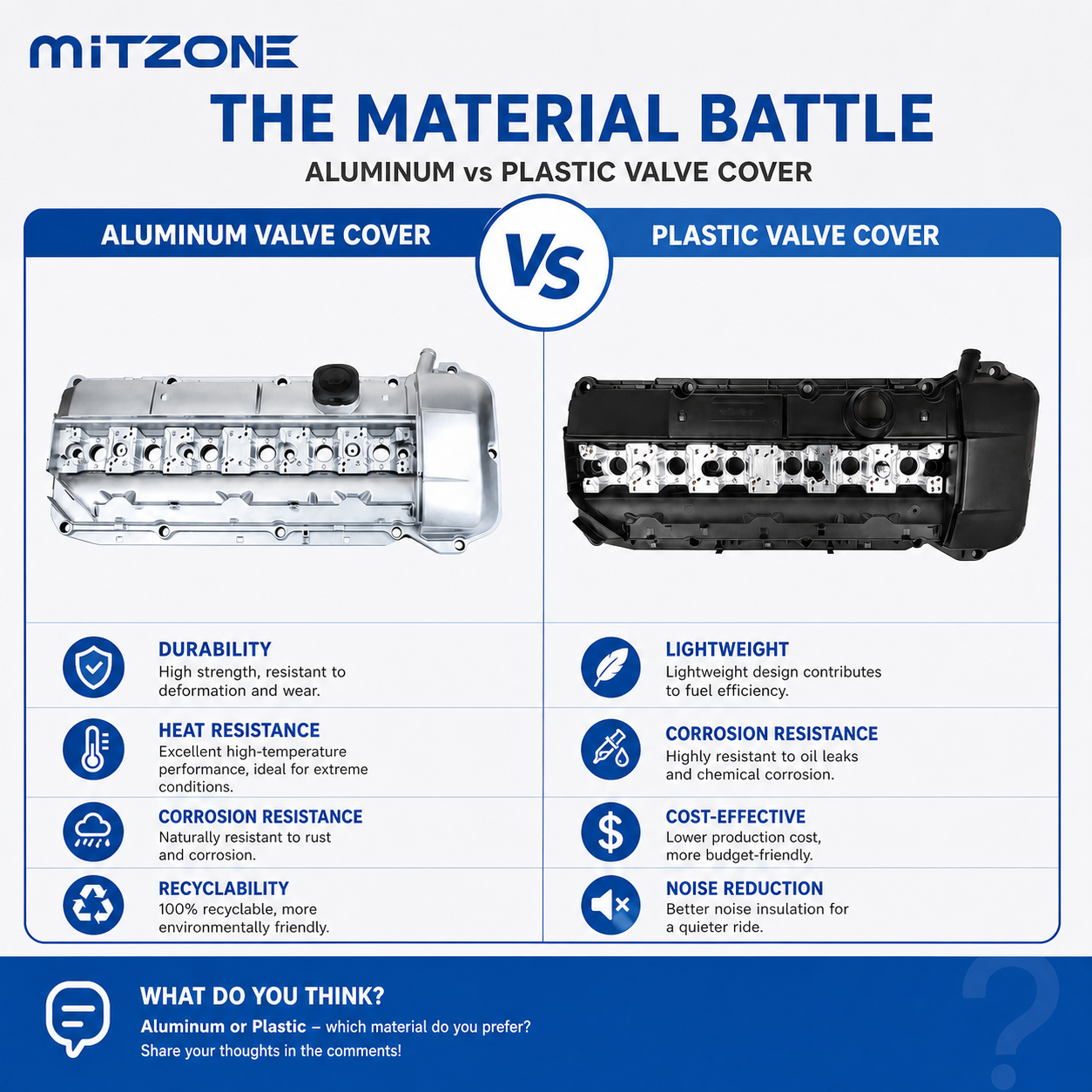
Fitment range is the first check, especially when the same engine family appears in several vehicles. The supplied notes point to 2011–2020 Chevy Cruze, Sonic, Trax, Volt, and Buick Encore 1.4L. That is a broad set, so cross-checking part numbers and engine codes is prudent. The second check is material and finish. A light silver metal body suggests aluminum alloy, which is common for this type of housing, but buyers should still confirm the actual production specification rather than assuming from appearance alone. Third, inspect the gasket or seal area. If the sealing surface is rough, scratched, or poorly machined, the part can leak even if everything else looks correct.
How supplier capability affects repair reliability
In thermostat housing procurement, supplier capability matters because the part is part casting, part machining, and part assembly. A good thermostat housing outlet supplier should understand all three. The casting has to be solid enough to hold thread engagement and maintain shape under thermal cycling. The machined faces need to be flat and clean where the gasket seals. And the assembled fittings, whether plastic connectors or electrical components, should sit square and secure. If any one of those areas is weak, the part can become a warranty problem.
This is where buyers sourcing OEM car parts or replacement assemblies tend to separate promotional claims from actual supply performance. Direct factory auto parts are appealing because they can reduce layers in the supply chain, but direct sourcing only helps if the supplier can document part consistency, packaging discipline, and fitment control. If those basics are loose, the “factory direct” label does not save the repair shop from an installation headache.
Common sourcing mistakes to avoid
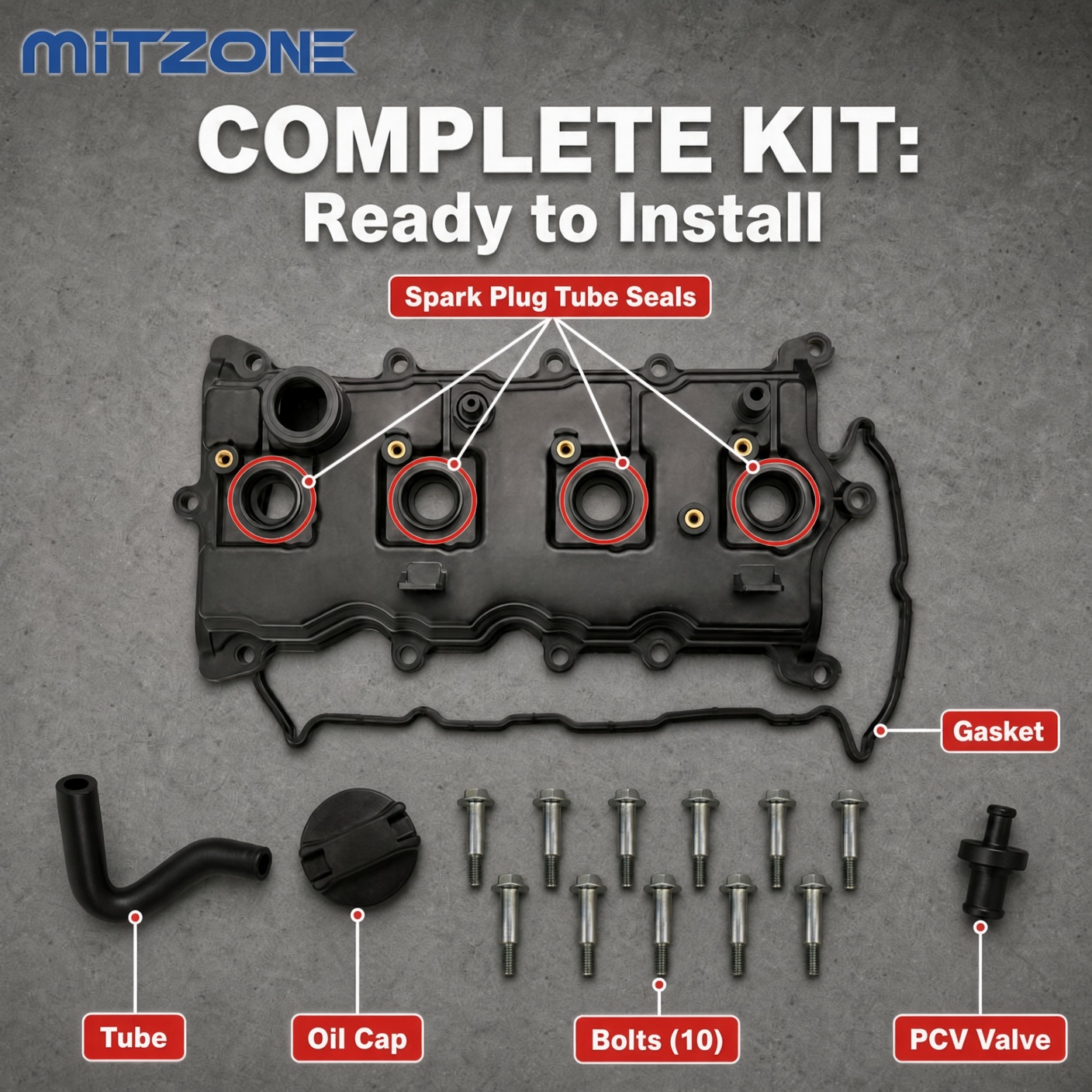
One frequent mistake is treating all thermostat housings for the same engine family as interchangeable. On compact GM applications, the hose routing, sensor port, and bracket geometry can vary enough to matter. Another mistake is assuming the housing comes with every sealing item needed for installation. The notes do not confirm gasket inclusion, so that should be checked rather than presumed. A third mistake is overlooking the condition of the sealing face and bolt holes. Cast metal can still be poorly finished, and even a small imperfection can create a slow coolant seep that only appears after heat soak.
Buyer advice for aftermarket and repair channels
If you are sourcing for maintenance stock, workshop resale, or exportor channels, the safest approach is to match the part against the vehicle application, not just the marketing description. Keep the reference number handy, compare port orientation, and confirm whether the sensor or connector needs to be transferred from the old unit. For service distributors, it also helps to stock the companion items that often get replaced at the same time, such as clamps or seals, if the vehicle program requires them. That is not a glamorous detail, but it can save a second trip to the counter.
What a good next step looks like
If you are evaluating thermostat housing assemblies for a cooling-system catalog, ask for fitment confirmation, material description, assembly details, and clear part reference mapping before you place volume orders. For a part like the Mitzone 55565334-style replacement noted here, the core decision is not whether it looks similar in a photo. It is whether the housing will seal properly, line up with the hoses, and survive the thermal load of daily use.
For sourcing teams, that is usually the difference between a usable replacement and a returned box.
FAQ
Is this part only for Chevrolet applications?
The supplied notes list 2011–2020 Chevy Cruze, Sonic, Trax, Volt, and Buick Encore 1.4L fitment. Buyers should still verify exact engine and model compatibility before purchase.
Does the photo confirm the internal thermostat design?
No. The internal thermostat design, pressure rating, and gasket inclusion are not confirmed from the image alone.
Why does machined finish matter so much?
Because the housing seals at the mounting face. Even a small surface defect can lead to coolant loss, which creates avoidable service issues.