
Why a valve cover supplier matters on a modern turbo engine
Choosing a valve cover supplier is not just a sourcing exercise. On a modern turbocharged engine, the valve cover is part structural housing, part sealing system, and part emissions-related breathing path. If the cover cracks, warps, or fails around the gasket interface, the result can be oil leaks, contamination around the top end, and a repair that keeps coming back. For fleet managers, repair shops, and aftermarket buyers, the real question is not whether a cover looks right in a catalog photo. It is whether the part matches the engine family, seals correctly, and arrives with the features needed for a clean installation.
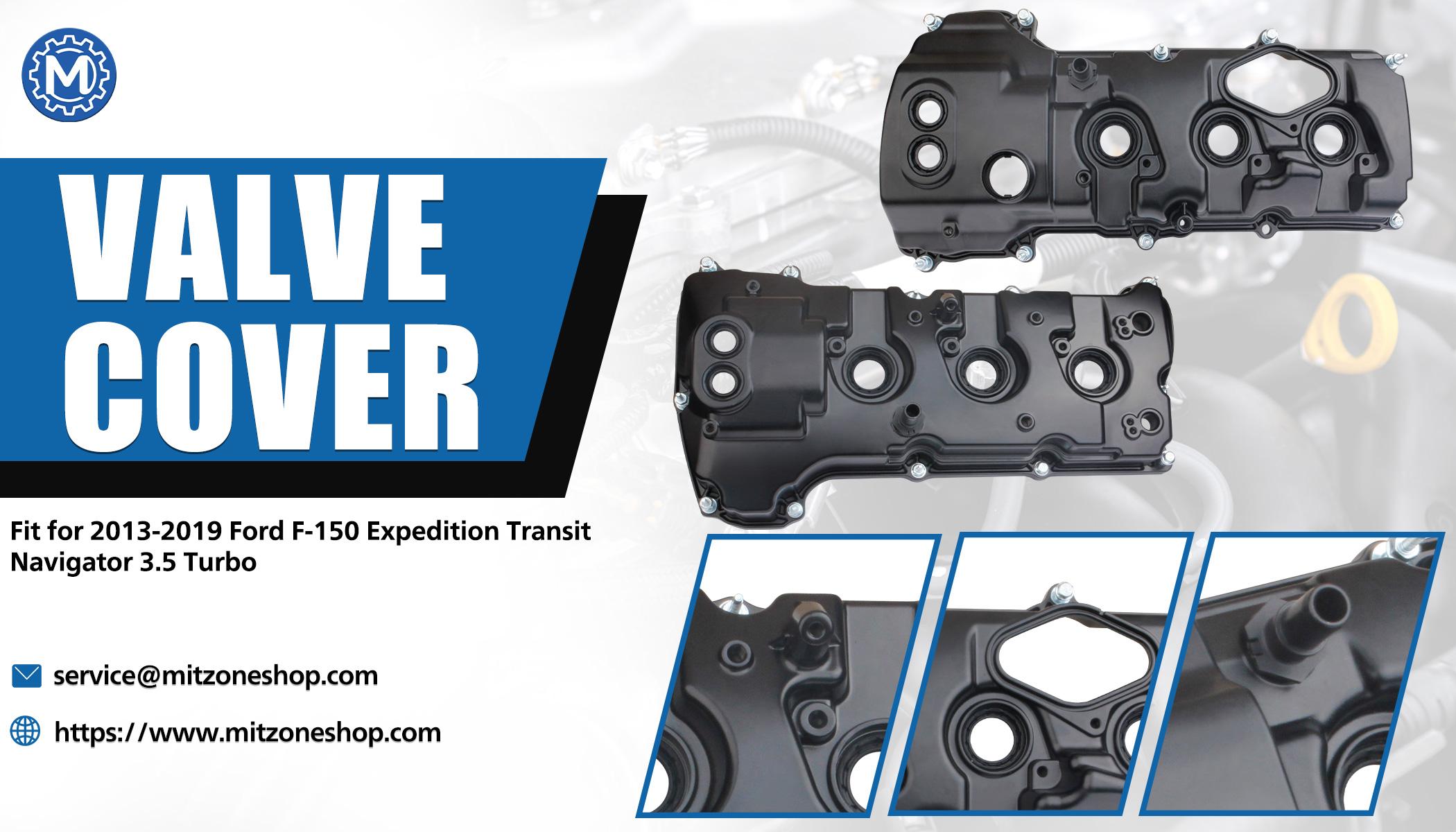
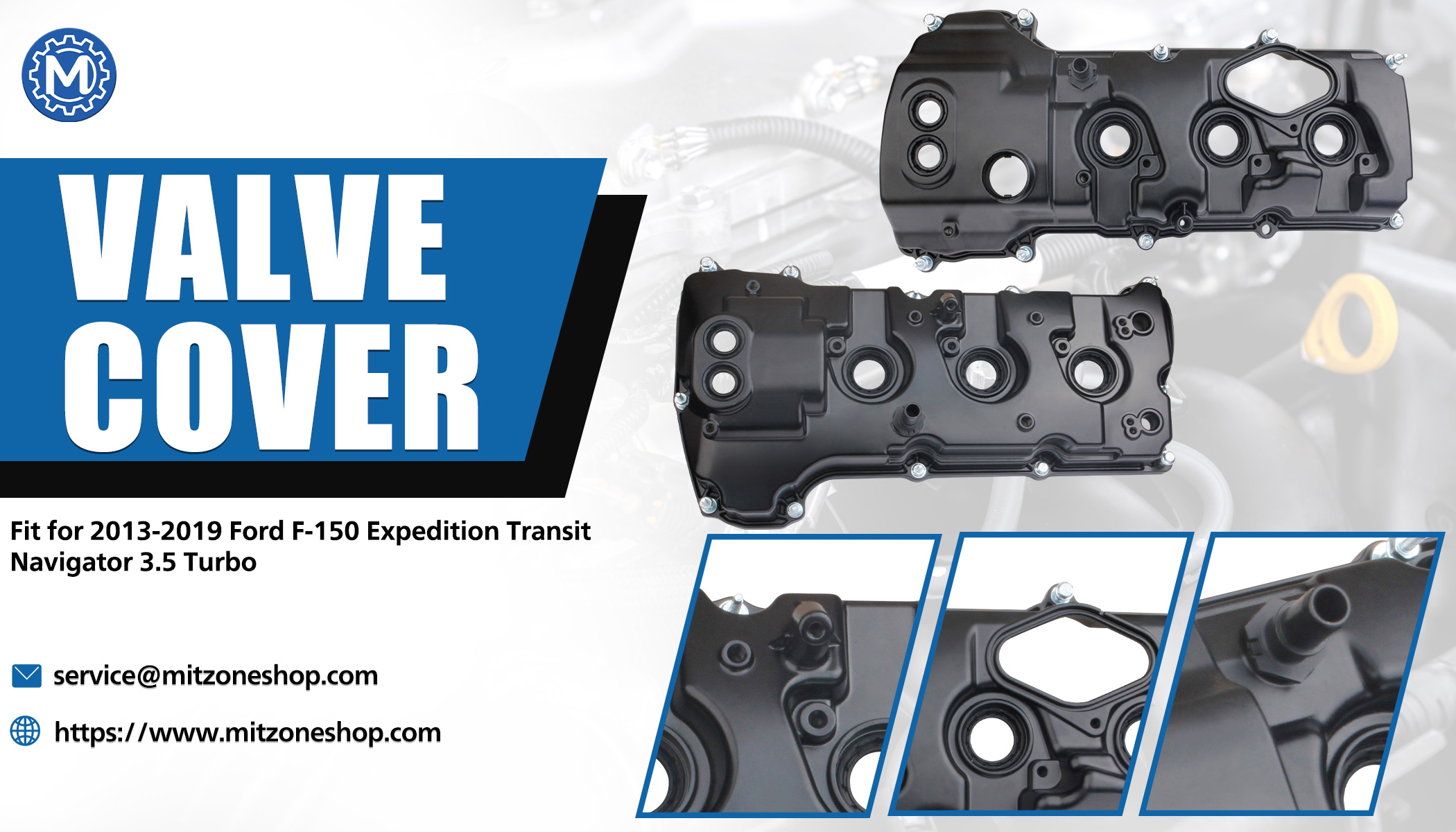
The example here points to a valve cover assembly for 2013–2019 Ford F-150, Expedition, Transit, and Navigator models with the 3.5 Turbo engine. That vehicle-specific fitment matters more than buyers sometimes admit. A cover can look nearly identical across variants and still differ in port locations, molded ribs, mounting points, or bank orientation. In a repair bay, that difference costs time. In fleet maintenance, it costs downtime.
What this part does, and why the design is more than a lid
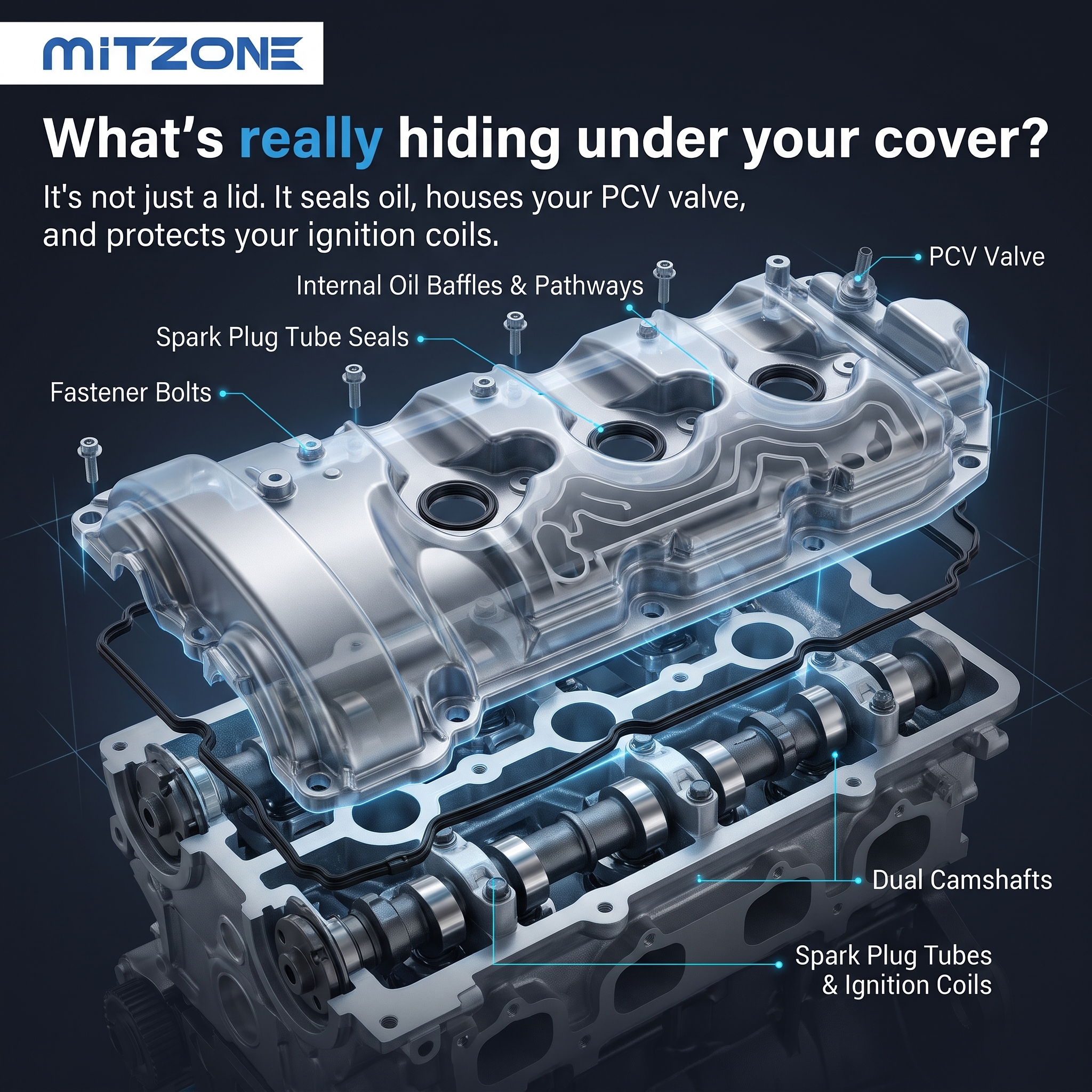
An engine valve cover closes off the top of the cylinder head and helps contain oil around the valvetrain area. It also supports sealing around spark plug tubes, oil passages, and PCV or breather ports. On turbo engines, that interface becomes even more sensitive because heat and pressure cycles are harsh, and the top-end packaging is usually tight. A simple-looking black molded cover can carry a lot of responsibility.
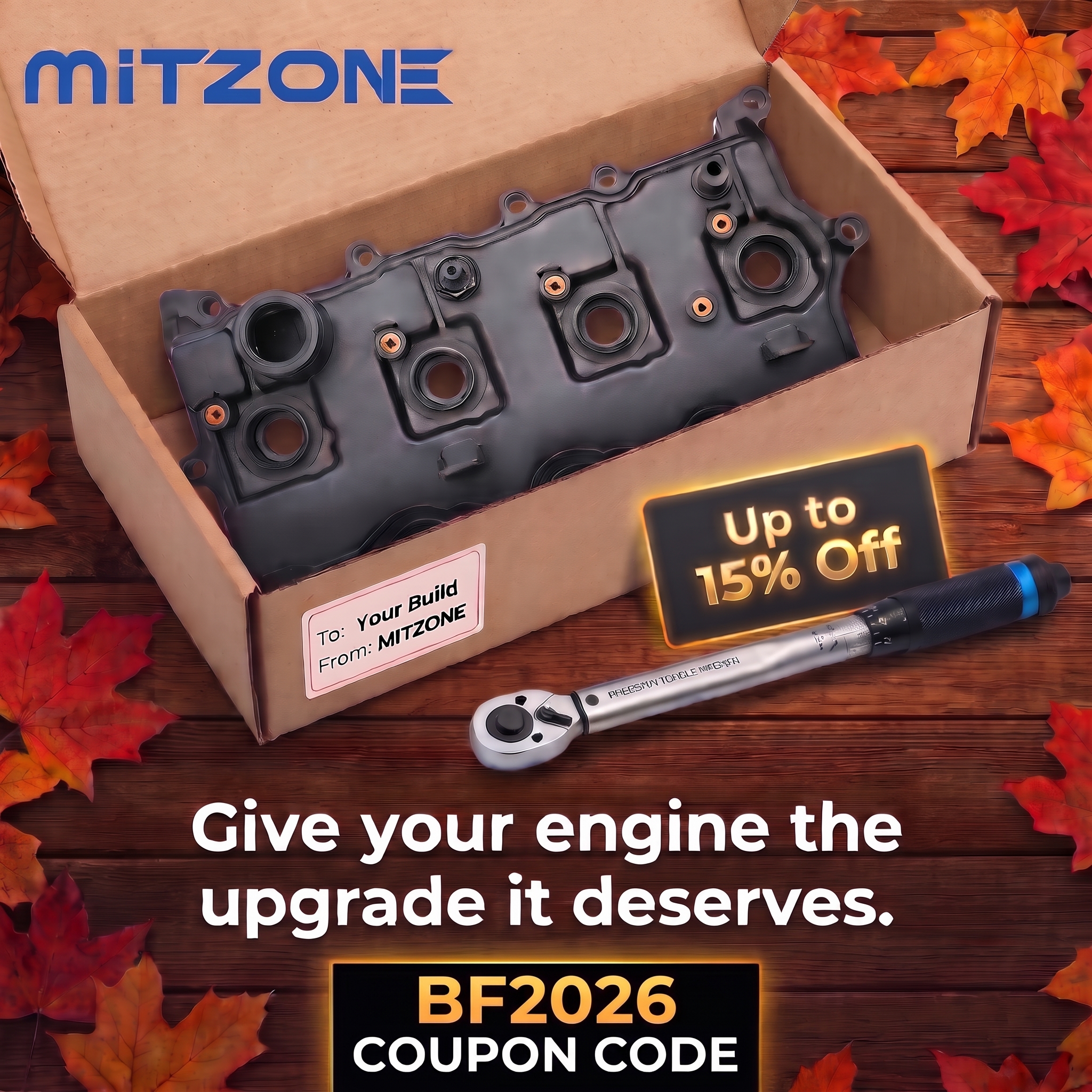
The part shown appears to be a molded black cover with integrated ribs, bosses, and circular openings. That design is typical of a replacement assembly intended to fit closely to the head casting and surrounding components. The visible silver fasteners suggest a presentation or installation setup, but they do not tell you whether the gasket, bolts, or seals are included. Buyers should confirm that before ordering; it sounds obvious, yet it is one of the most common sourcing mistakes.
Quick reference: what buyers should verify before purchase
When comparing OEM car parts and aftermarket options, the first filter should be application accuracy. For this product category, that means confirming the exact vehicle years, engine family, and bank position if the cover is side-specific. The second filter is the sealing package. A valve cover can arrive as a bare housing or as a more complete assembly with gaskets and related seals. Those are not the same from a procurement standpoint.
It also helps to ask how the part is manufactured. This cover appears to be a plastic or polymer composite part, likely injection-molded or similarly formed, but the exact material is not confirmed here. That is worth checking because material choice affects heat behavior, dimensional stability, and long-term service expectations. A supplier who cannot speak clearly about the base material is usually not the supplier you want to rely on for repeat orders.
Choosing between an exportor, aftermarket source, and direct factory auto parts
Buyers often search for a valve cover supplier, then end up comparing an exportor, a regional distributor, and direct factory auto parts channels. Each path has trade-offs. A direct factory source may offer better consistency if the part is being produced regularly and the communication is clear. An exportor can be useful when a buyer needs consolidated shipping or broader catalog access. The aftermarket route may offer faster availability, but quality documentation and fitment control can vary widely.
For repair professionals, the practical issue is not branding. It is whether the part lands on the bench with the right geometry and the right sealing surfaces. A turbo engine does not forgive sloppy fitment. If the molded openings or gasket grooves are even slightly off, the technician ends up chasing seepage after the job is closed up.
Common buying mistakes that lead to rework
One mistake is treating all 3.5 Turbo valve covers as interchangeable. They are not. Another is assuming that “assembly” means everything is included. It often does not. Buyers also underestimate the value of bank identification. Left and right variants can be easy to confuse when photos are taken from a single angle.
A more subtle mistake is ignoring the service environment. Fleet maintenance teams may prioritize speed, but if the truck or van is returning to heavy service, the cover has to hold up under repeated heat cycles and oil exposure. That is where supplier consistency matters more than a low initial price.
What a good sourcing decision looks like
A practical purchasing decision starts with fitment confirmation, then moves to material and sealing details, then to packaging and shipping reliability. If the supplier can clearly identify the compatible models, explain the part structure, and support repeat orders without changing the design unexpectedly, that is usually a stronger sign than glossy product copy.
For engineers and product teams, it is also worth asking for dimensional confirmation, especially around mounting bosses and port interfaces, even if the source image already shows a clean match. For shops, the most useful question is simpler: will this go on once, seal correctly, and stay out of the comebacks file?
FAQ
Is this valve cover for specific vehicles?
Yes, the fitment shown is for 2013–2019 Ford F-150, Expedition, Transit, and Navigator models with the 3.5 Turbo engine.
Is the exact material confirmed?
No. The cover appears to be a molded black polymer or composite part, but the exact material grade is not confirmed here.
Does the image prove the gasket is included?
No. Buyers should verify whether the gasket, bolts, or seals are included before ordering.
Next step for buyers
If you are sourcing this part for repair service, fleet maintenance, or catalog expansion, start by matching the engine family and bank-specific fitment, then confirm the sealing package and manufacturing details with the supplier. A reliable valve cover supplier should be able to answer those questions plainly, without making you decode the listing after the order has already been placed.