
Choosing an intake manifold supplier is not just a matter of finding someone who can quote a part number. For sourcing teams and engineers, the real question is whether the supplier can deliver a manifold that fits the engine, seals properly, and stays consistent from batch to batch. That matters more than it sounds. A plastic manifold may look straightforward from the outside, but a poor seal, a weak mounting boss, or an inaccurate port layout can turn into drivability complaints, warranty returns, and avoidable line stops.
What This Part Actually Does
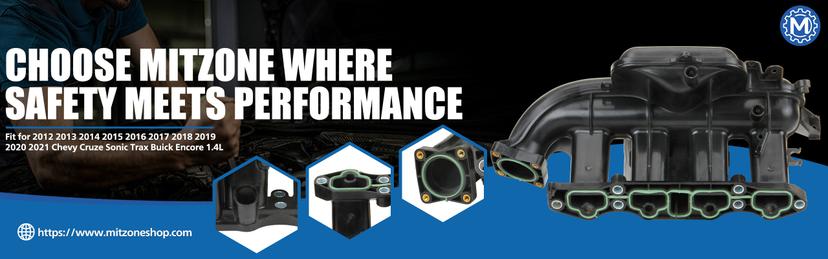
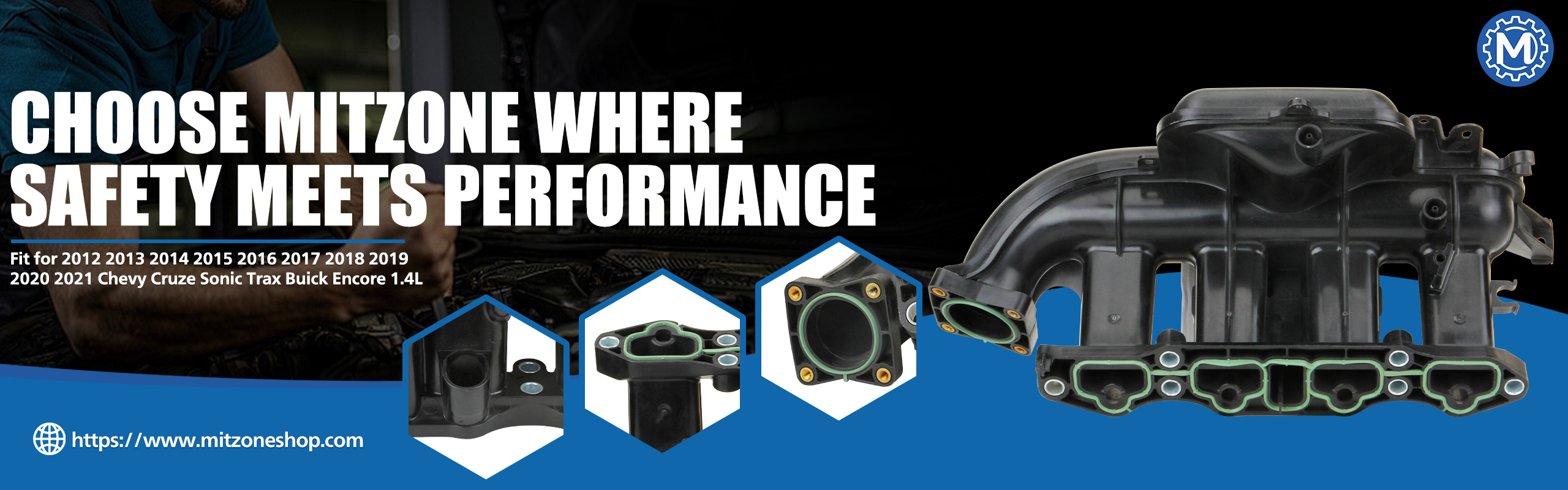
An automotive engine intake manifold routes air from the throttle body or plenum into multiple runners so each cylinder gets a measured charge. On a 1.4L gasoline engine, space is tight and the geometry has to be compact, which is why many modern manifolds use molded composite housings rather than heavy cast designs. The part described here is a black molded plastic or composite assembly with a large upper plenum, curved runner passages, a lower multi-port flange, and visible gasket material at the mating surfaces. In practical terms, that means the part is likely being sold as a complete assembly rather than a bare shell.
Why Buyers Care About Supplier Capability
For OEM car parts programs and aftermarket replacement work alike, the intake manifold sits at the intersection of fitment, airflow behavior, and assembly quality. If a supplier is weak on any one of those, the issue tends to show up late. The part may install, but the gasket may not seat correctly. Or it may seal at idle but show problems once heat cycling begins. That is why direct factory auto parts buyers often ask for more than a catalog photo. They want evidence that the supplier understands the vehicle platform, the material behavior, and the small details that keep production stable.
Quick Takeaways for Sourcing Teams
Look first at fitment coverage, then at process control, and only after that at price. A manifold that fits 2012-2021 Chevy Cruze, Sonic, Trax, and Buick Encore 1.4L applications may look like a simple replacement listing, but cross-platform fitment can expose differences in mounting points, sealing surfaces, and accessory clearance. That is where buyers need clear documentation, not assumptions.
Material and Manufacturing Notes
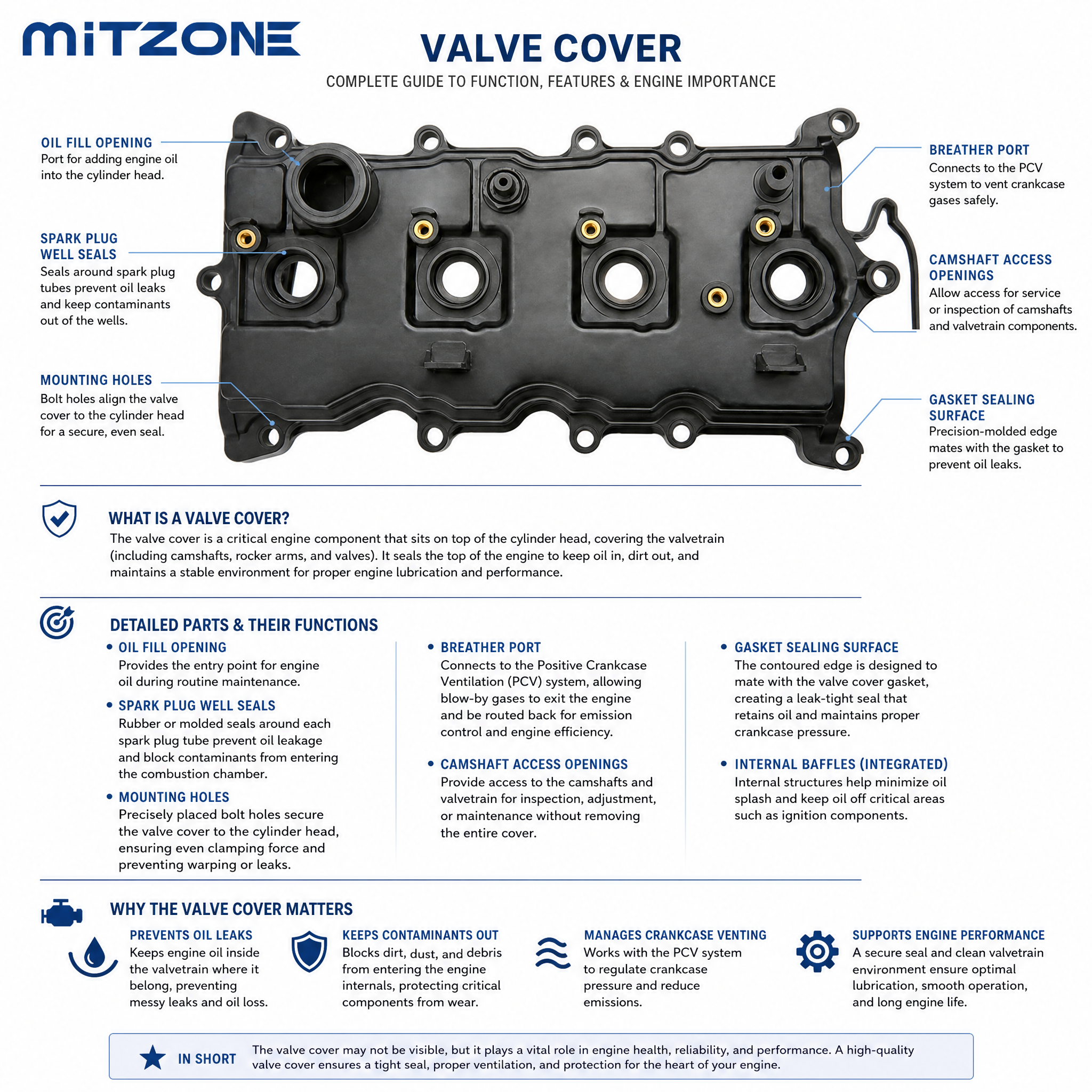
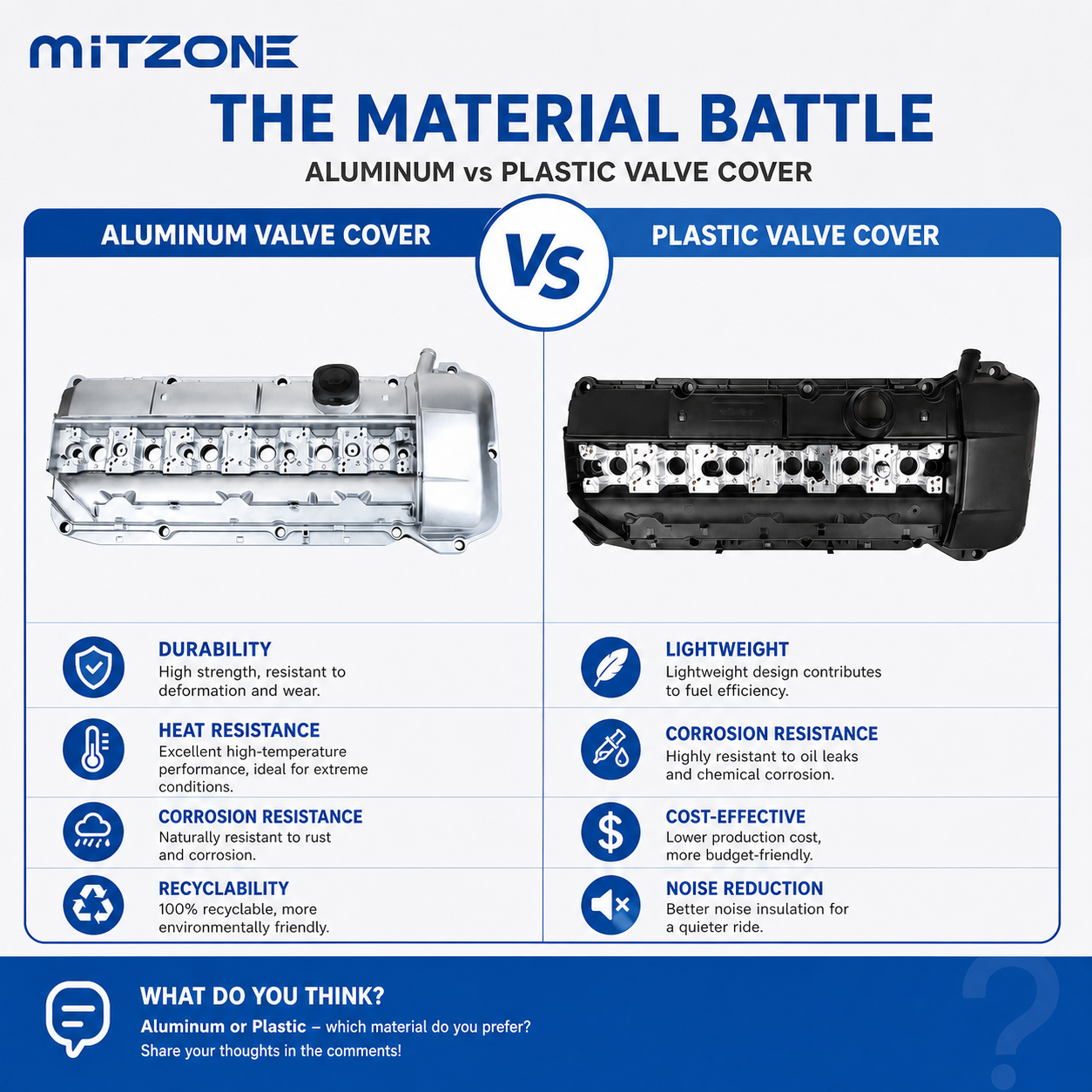
The visible black semi-gloss housing suggests an injection-molded plastic or composite body. That is common for intake manifolds because it helps reduce weight and can support more complex internal shapes than a simple metal casting. The metal fasteners or inserts at bolt locations also make sense for a part that has to be clamped repeatedly during service. Still, the exact grade of material, wall thickness, and internal runner design should be confirmed with the supplier rather than inferred from appearance. A seasoned exportor will usually understand that distinction and provide the drawings, not just the photo.
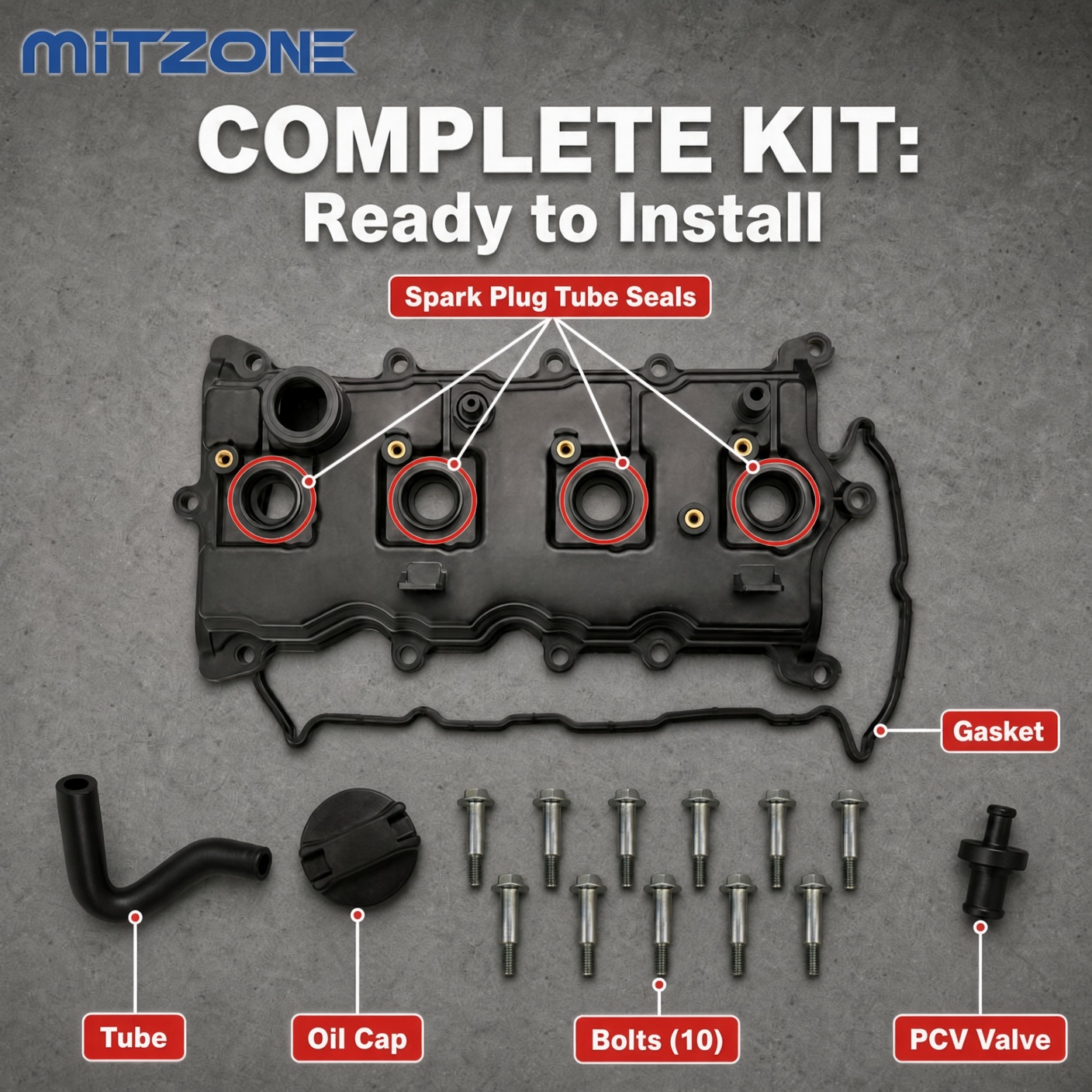
It is also worth asking whether the gasket surfaces are supplied as part of the assembly and whether any sensors, valves, or hardware are included. In this case, those details are not confirmed, so the safe assumption is that the buyer should verify completeness before ordering. That small step can prevent a lot of back-and-forth later, especially if the parts are being purchased for service kits or regional distribution.

How to Evaluate a Supplier
Start with the basics: does the supplier identify the exact engine application, and can they explain the difference between the manifold body, the sealing elements, and the attached fittings? A dependable intake manifold supplier should be able to answer those questions without improvising. Buyers should also ask how the parts are controlled for dimensional consistency, because runner alignment and flange flatness matter more than a casual inspection might suggest.
Next, look at packaging and traceability. Even direct factory auto parts can arrive with a clean finish and still fail in distribution if they are poorly protected. Scratched sealing faces, distorted bosses, or missing small hardware can all create avoidable returns. For B2B buyers, that is not a cosmetic issue; it is a margin issue.
Common Mistakes to Avoid
The most common mistake is treating every manifold as interchangeable because the engine family looks similar. In reality, even minor differences in throttle-body interface, mounting boss layout, or lower flange shape can change fitment. Another mistake is assuming a complete-looking part includes every accessory. Unless the supplier states it clearly, verify what is and is not included.
Buyers sometimes focus only on whether a part is OEM or aftermarket, but that is not the whole story. What matters more is whether the part meets the installation and service expectations of the channel you sell into. For some distributors, the right answer is a close replacement that is easy to stock. For others, it is a part positioned as OEM car parts support for repair networks. The commercial model changes the sourcing criteria.
Practical Buyer Questions
If you are comparing suppliers, ask these questions early: Is the manifold a one-piece assembly? Are the gasket surfaces pre-installed or separate? What vehicles and model years are covered? Are there photos of the actual part, not just a generic rendering? Can the supplier confirm whether the product is intended for 2012-2021 Chevy Cruze, Sonic, Trax, and Buick Encore 1.4L applications as noted?
Those questions sound basic, but they save time. They also reveal whether the vendor is a real manufacturing partner or just a listing source. In the market, that distinction still matters.
What a Good Supplier Delivers Next
The best sourcing relationships do not end at the quotation stage. A reliable supplier should be able to support application checks, clarify assembly scope, and help reduce fitment risk before shipment. That is especially useful when you are buying for multiple regions or preparing a parts catalog that must stay accurate across several model years.
If you are building a shortlist, ask for application confirmation, part scope, and packaging details first. Then compare the technical answers, not just the price. That approach is slower on day one, but it usually pays back in fewer returns and fewer surprises.
FAQ
Is this manifold a bare shell?
The visible construction suggests a complete intake manifold assembly, but included sensors, valves, or hardware should still be confirmed with the supplier.
Why use plastic instead of metal?
For many modern gasoline engines, molded composite helps reduce weight and supports the complex runner geometry required for compact engine bays.
What should buyers verify first?
Fitment, sealing surfaces, and what is included in the box. Those three checks catch most sourcing problems before they reach the customer.
If you are evaluating an intake manifold supplier for replacement parts or catalog expansion, start with the fitment data and then push deeper into manufacturing detail. That is the quickest way to separate a workable sourcing option from a part that only looks ready on paper.