
Why an intake manifold supplier matters more than many buyers expect
Choosing an intake manifold supplier is not just a part-number exercise. For repair shops, distributors, and sourcing teams, the difference between a workable replacement and a comeback job often comes down to fit, control hardware, and the quality of the cast and machined surfaces. On a vehicle like a Mercedes V6, the intake manifold is not a decorative cover; it is the air distribution component that feeds the cylinders, so any mismatch in ports, actuator behavior, or flange sealing can turn a routine repair into a long diagnostic cycle.
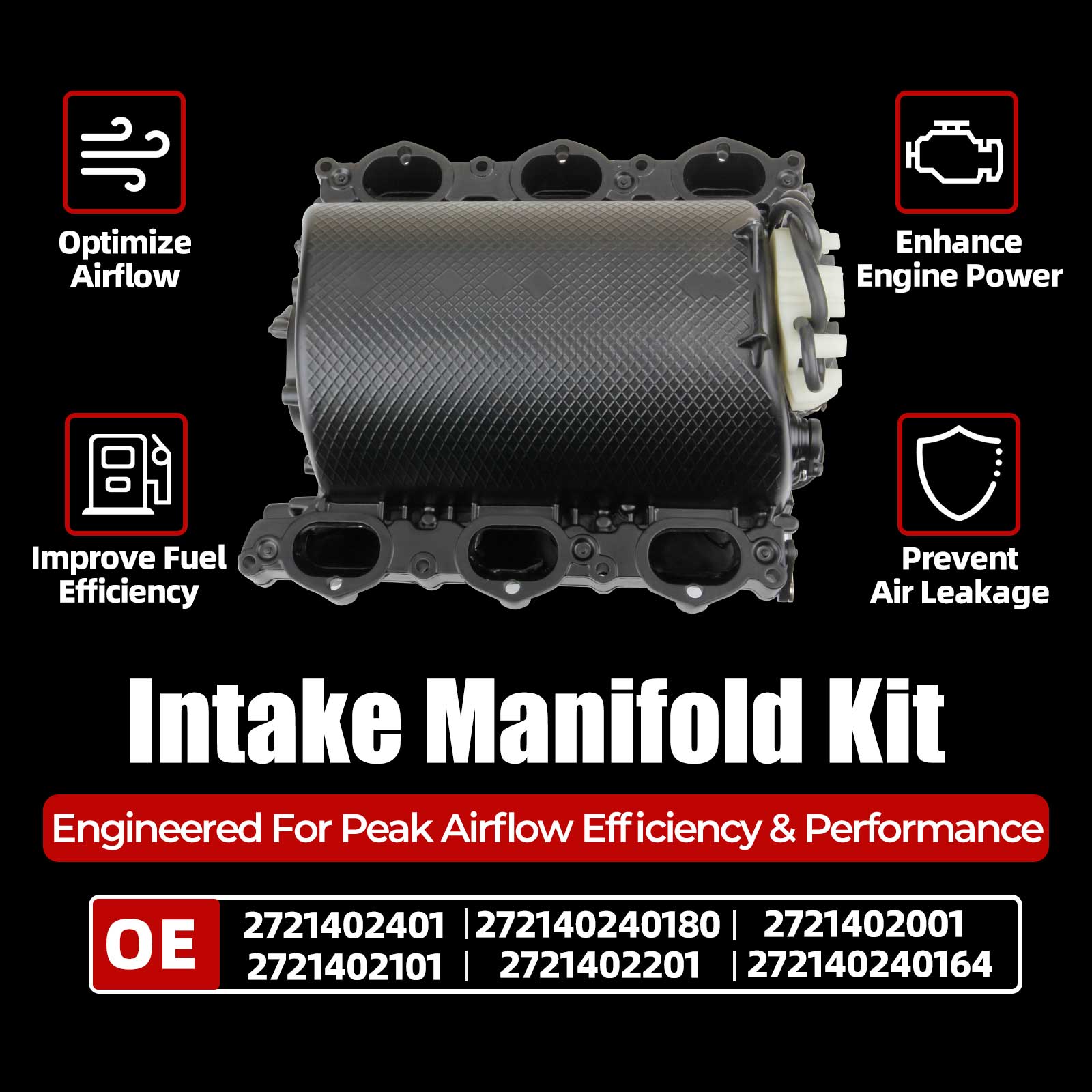
The part in the supplied data is identified with Mercedes-style fitment references, including Mitzone 2721402401-2721402201, and it is listed for 2006–2012 applications such as C230, C300, C350, E350, E280, GLK350, ML450, S400, SLK300, and R350. That kind of coverage immediately tells a buyer what problem the article is really about: how to choose a replacement manifold that fits the platform, supports the repair, and does not create avoidable installation headaches.
What this part does, and why failures matter
An automotive intake manifold routes incoming air into the engine’s cylinders. In a V6 layout, the manifold typically uses a long multi-runner body and a plenum chamber to distribute air evenly. When it cracks, clogs, leaks, or the actuator/linkage malfunctions, the engine may lose smooth idle quality, drivability, or consistent air delivery. In workshop terms, that means a customer complaint that can sound vague at first but becomes expensive if the wrong replacement is sourced.
For buyers, the practical issue is simple: an intake manifold is one of those parts that looks universal until you try to bolt it on. The bolt pattern, gasket sealing surfaces, port geometry, and control mechanism all have to align. If the assembly includes integrated actuator hardware, that is another point where substitution errors can show up quickly.
Key visual and structural cues in the supplied product
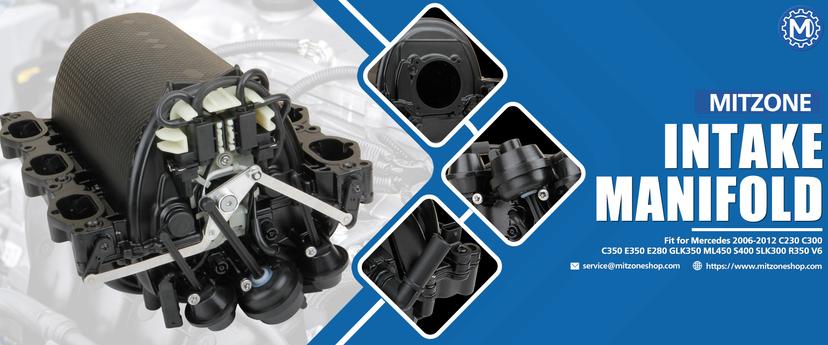
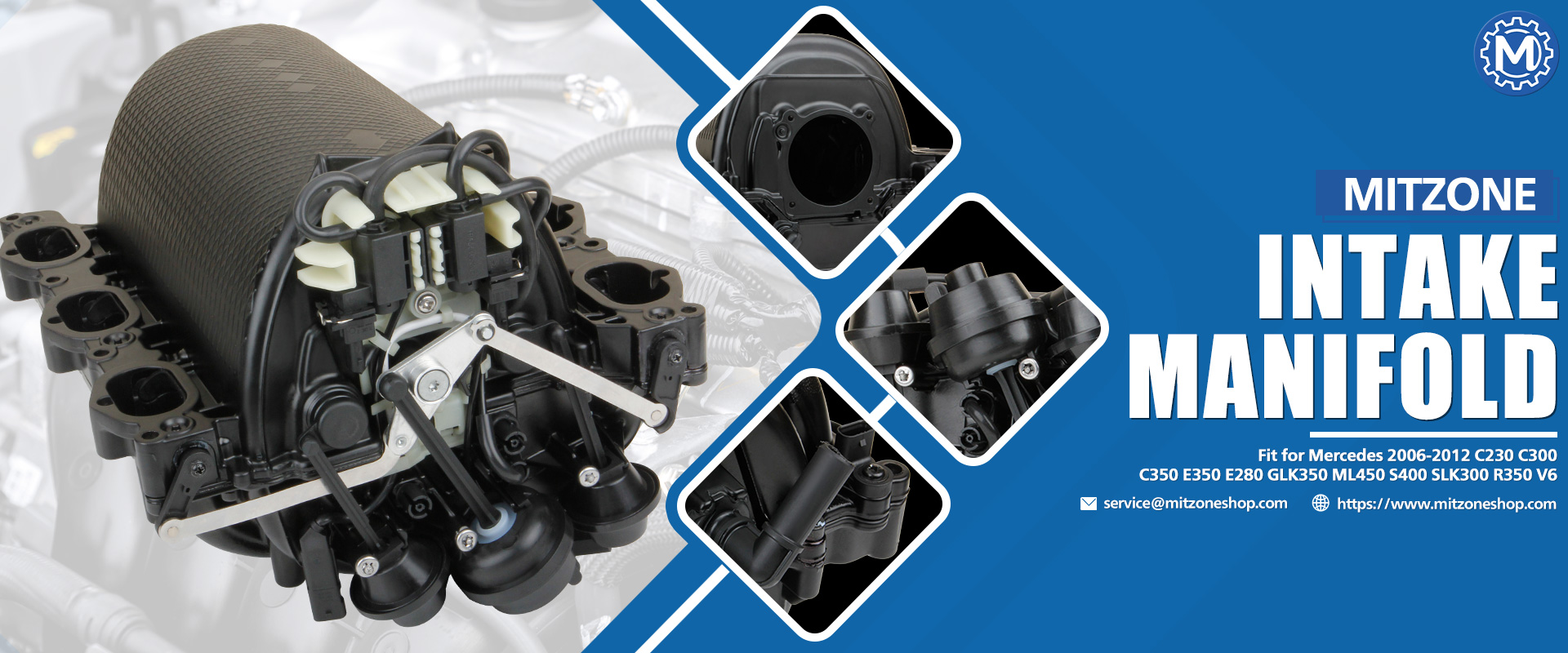
The product information describes a silver metallic housing, likely aluminum or an aluminum alloy, with a textured or embossed upper section. It also notes black plastic or metal actuator and linkage parts, dark vacuum or control lines, and machined flange surfaces with bolt mounting points. Those are exactly the kinds of details sourcing teams should inspect when comparing aftermarket options.
From the image description, this is a long-runner manifold body with a curved plenum on top and multiple intake ports along one side. That combination is common in replacement engine air distribution components, but the buyer should still verify the match against the original vehicle application. Pictures can confirm shape and hardware placement, yet they do not prove every internal detail. A cautious buyer knows that a visually similar manifold may still differ in runner design or included accessories.
How to evaluate direct factory auto parts versus other supply channels
When buyers search for OEM car parts or direct factory auto parts, the real question is usually whether the source can deliver a stable fitment match and predictable documentation. A good sourcing decision depends on more than price. It should account for part-number traceability, application coverage, mounting interface quality, and whether the seller can answer technical questions without guesswork.
For aftermarket channels, there is also a distinction between an exporter and a local reseller. An exportor role, to use the term as it appears in the supplied keyword set, often matters because cross-border buyers need clear labeling and consistent packaging more than they need marketing claims. The useful seller is the one who can identify the part, confirm the chassis and engine range, and avoid overpromising on equivalence they cannot document.
Selection criteria that save time in the workshop
1. Fitment first
Start with the vehicle list and engine family. The supplied fitment covers 2.5L, 3.0L, and 3.5L V6 applications across several Mercedes models. That is helpful, but the final check should still include the exact engine code or original part number from the vehicle.
2. Control hardware alignment
Integrated actuators and linkages are not decorative extras. If the control mechanism sits in the wrong position, the part may mount but not function correctly. This is a common place where cheap replacements create comebacks.
3. Sealing surfaces and port quality
Look closely at the machined flange surfaces, gasket interface, and port openings. Uneven finishing or poor casting cleanup can create air leaks that mimic ignition or fueling problems.
4. Packaging for trade use
For distributors and workshop buyers, a replacement manifold should arrive protected against impact and contamination. Dust in the ports or damage to the actuator area is not a minor issue; it can consume labor before the part is even installed.
Common mistakes buyers still make
The first mistake is assuming all intake manifolds in a family are interchangeable because the engine size is similar. The second is buying from an intake manifold supplier that offers no clear part-number mapping. The third, and maybe the most expensive, is overlooking attached hardware. A manifold can be dimensionally close and still fail if the linkage or control components do not operate as expected.
Another practical caution: do not assume the supplied part includes gaskets, bolts, or sensors unless that is explicitly stated. The provided data does not confirm those items, so a buyer should treat them as separate procurement line items until verified.
Who should consider this replacement part
This manifold fits two main buyer groups. The first is the repair shop handling a failed, cracked, clogged, or malfunctioning intake manifold on the listed Mercedes applications. The second is the parts reseller or workshop stockroom that needs a replacement assembly for common V6 service jobs. In both cases, the value lies in reducing diagnostic time and keeping the vehicle off the lift for less time than a piecemeal repair would require.
What to ask before placing a purchase order
Before you buy, ask for the exact part-number cross-reference, vehicle fitment confirmation, and photos of the actuator and flange surfaces. If you are sourcing at scale, request packaging details and ask whether the seller can support repeat orders of the same reference. That sounds basic, but it is where many cross-border purchases become messy.
Next step for buyers
If your current project involves a Mercedes V6 repair or you are building stock for workshop demand, start with the part number, confirm the engine family, and compare the control hardware against the removed unit. A dependable intake manifold supplier should make that process straightforward rather than forcing you to interpret vague descriptions. For trade buyers, that clarity is worth more than a glossy product page.