
What buyers really need from an intake manifold supplier
If you are sourcing an intake manifold supplier, you are usually not shopping for a single plastic part. You are trying to protect engine fitment, airflow consistency, and serviceability across a vehicle program or replacement channel. That matters whether you buy for aftermarket stocking, fleet maintenance, or as part of a broader OEM car parts line.
An intake manifold sits at an awkward intersection of requirements: it has to fit the cylinder head cleanly, accept sealing surfaces without distortion, survive heat and vibration, and still move air in a predictable way. Miss one of those points and the result is not subtle. You get leaks, rough running, warranty claims, or a part that fits the catalog but not the engine bay.
Why this part is more than a molded housing
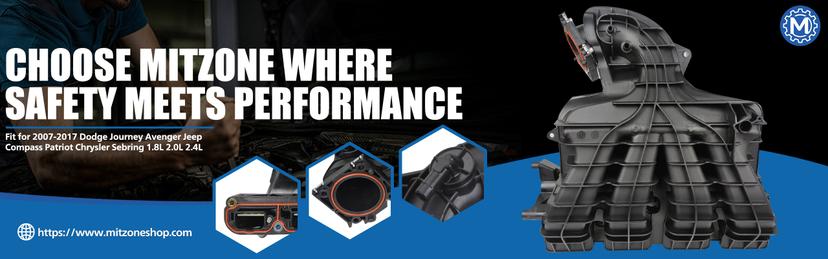
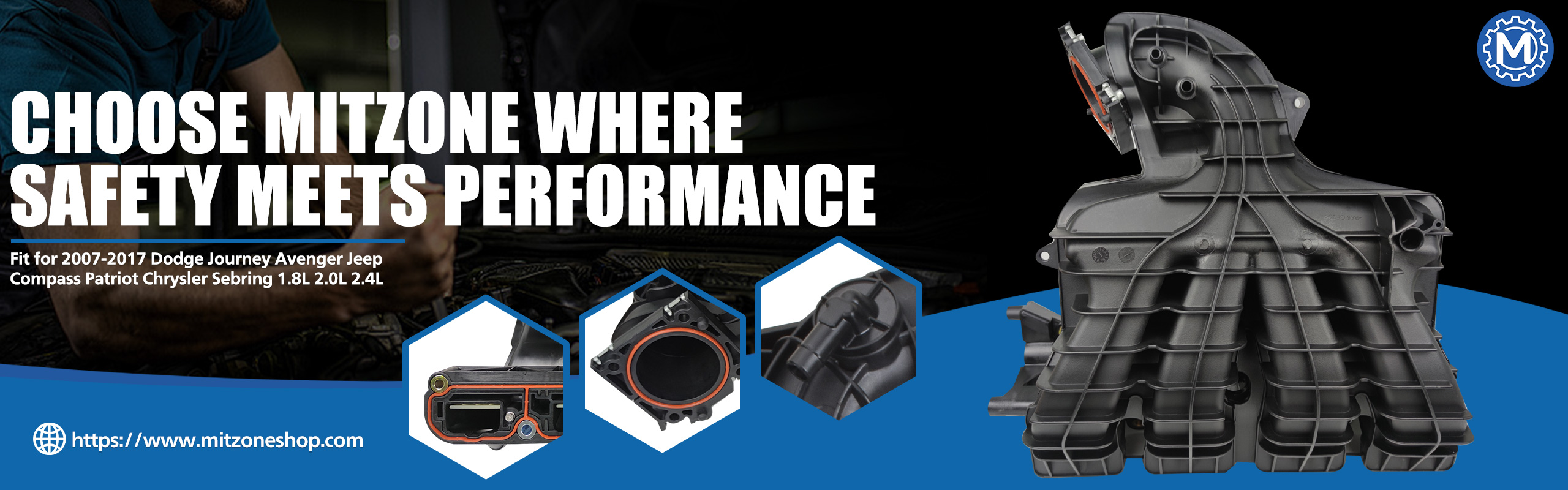
The intake manifold assembly supplied here is described as a replacement part for 2007–2017 Dodge Journey, Dodge Avenger, Jeep Compass, Jeep Patriot, and Chrysler Sebring applications with 1.8L, 2.0L, and 2.4L engines. That fitment range alone tells a sourcing manager a lot. It suggests a part family that must stay consistent across multiple model years and platforms, while still matching the intake system layout for specific Chrysler, Dodge, and Jeep vehicles.
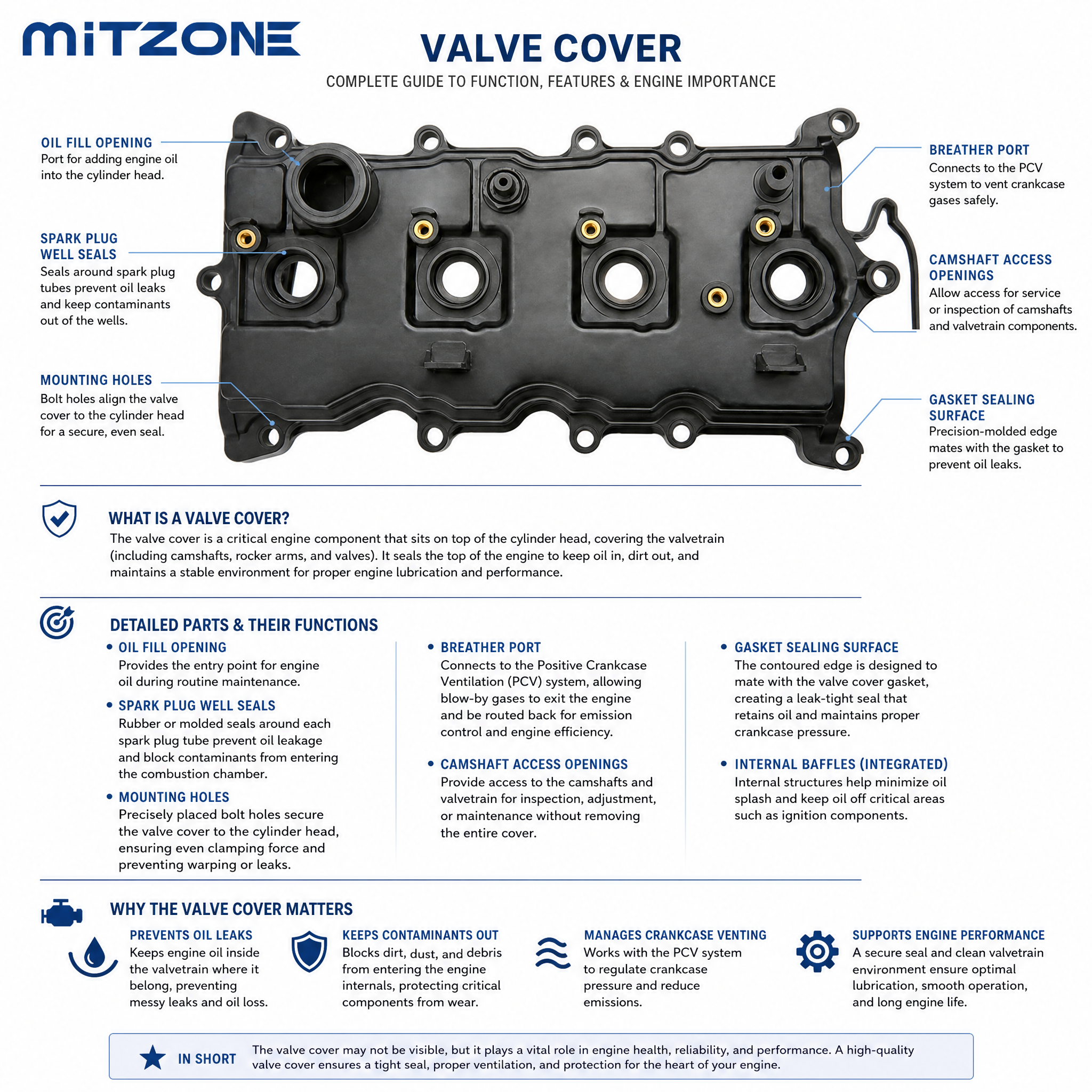
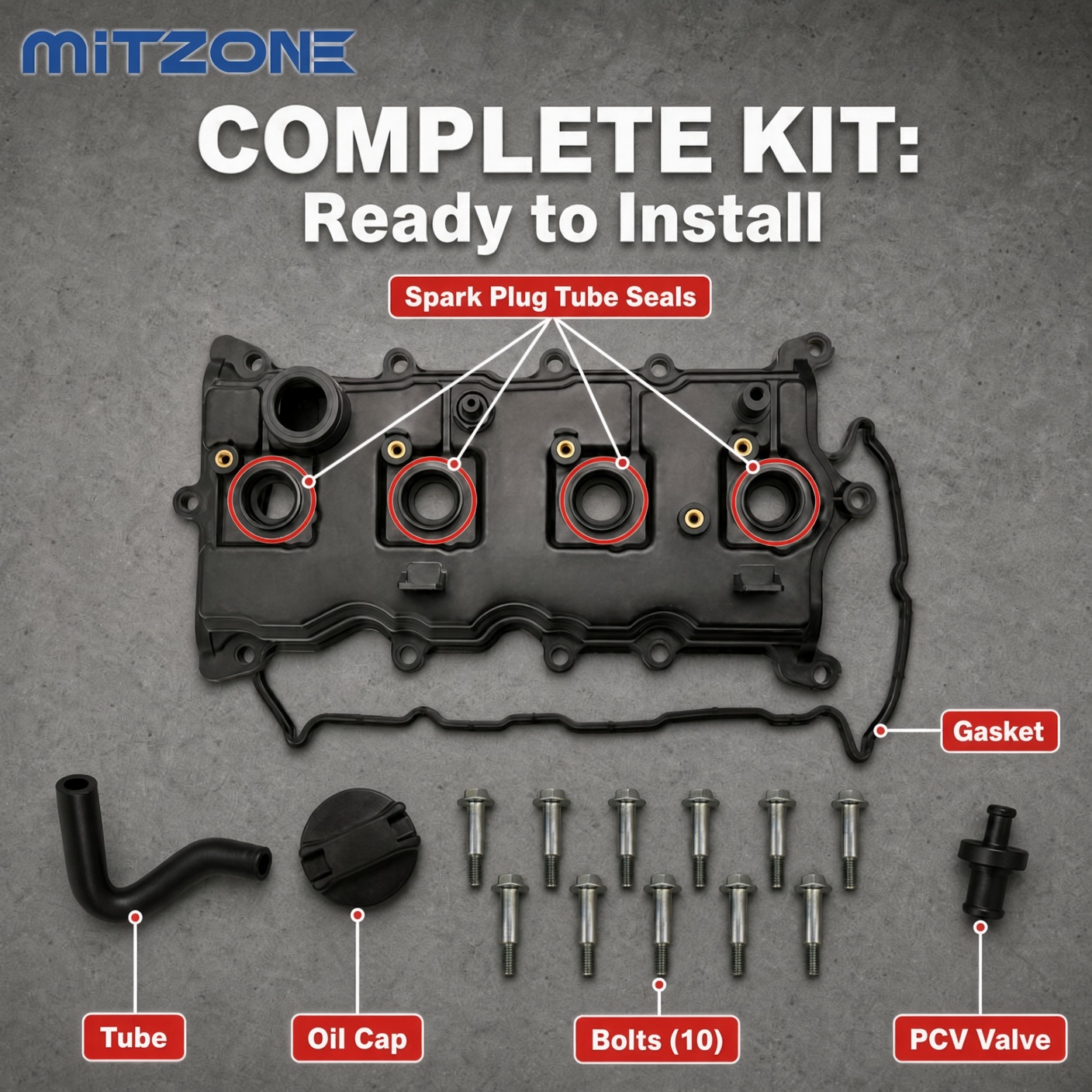
Visually, the part is a black molded plastic or composite housing with a ribbed reinforcement structure, a large plenum, and multiple vertical runners. Orange sealing gaskets are visible at the flange and port connection points. In practical terms, that means the supplier is not just delivering a shell. They are delivering a complete assembly interface that has to seal correctly and align with the head, sensors, and mounting points.
Quick buyer check: what should be verified first?
Before price or packaging terms, buyers should confirm four items: fitment coverage, sealing design, material consistency, and whether the part is sold as a complete assembly or as a housing with separate components. The supplied listing text points to a direct replacement use case, but the buyer still needs to verify whether sensors, valves, or hardware are included. That small detail is where a lot of field problems start.
For direct factory auto parts programs, this is especially important. A manifold that looks right in photos can still differ in port geometry, connector layout, or mounting boss placement. If the part is going into a regional catalog, ask for vehicle application data tied to engine size and model year, not just a generic part name.
Material and manufacturing considerations
Most modern manifold assemblies like this one are made through plastic or composite injection molding, then finished with installed seals or fittings. That approach keeps weight down and helps control production repeatability. It also places more pressure on dimensional control at the mold level, because the part is doing structural and sealing work at the same time.
One practical caution: plastic intake manifolds can perform well, but only if the rib structure, flange flatness, and gasket interface are controlled consistently. A buyer should pay attention to how the supplier handles warpage risk and how the sealing surfaces are protected in shipping. It is not glamorous, but it is where many returns are born.
How to evaluate an exportor or factory source
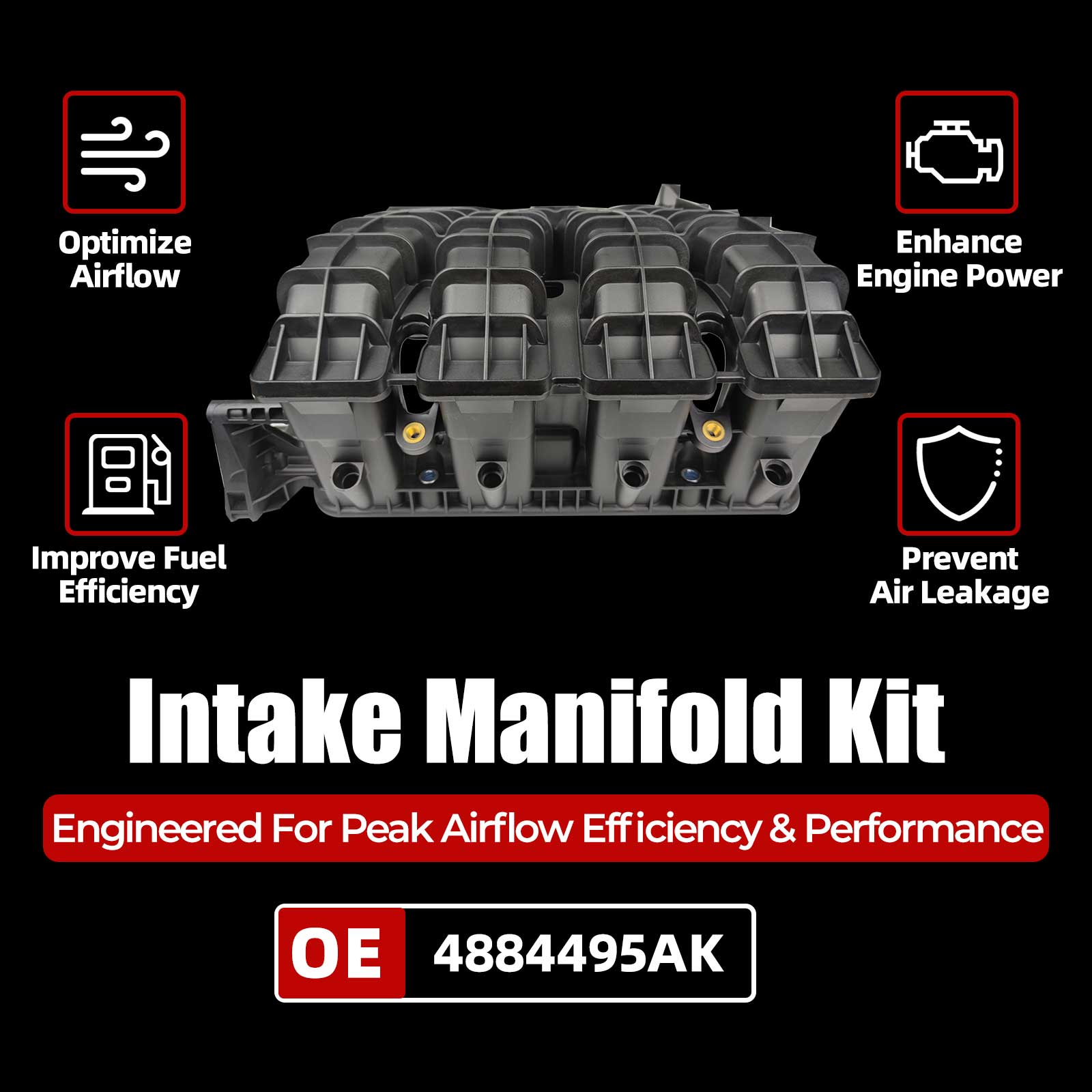
In export channels, the word exportor is often used loosely, but the real question is whether the source can support repeatable part identity across markets. For intake manifold sourcing, that means clear catalog data, application traceability, and enough photo or drawing support to separate one engine family from another.
A capable supplier should be able to show:
• Vehicle and engine fitment coverage by model year
• Whether the manifold is complete or partial
• Seal placement and connection points
• Packaging that prevents flange damage or runner deformation
If the supplier also handles direct factory auto parts, that can simplify procurement, but it should not replace verification. Factory-direct language is useful; dimensional compatibility is better.
Common mistakes when sourcing intake manifold assemblies
The most common mistake is assuming that one manifold fits all versions of a nameplate. That is rarely true. Even within a known vehicle family, engine displacement and revision year can change port layout or accessory clearance. Another mistake is treating the manifold as a commodity part and ignoring the seal set. The gasket interface is part of the product, not an afterthought.
Buyers also sometimes under-spec the inspection standard. If the part is going into distribution, ask how the supplier checks visible defects, port alignment, and surface finish. You do not need a laboratory report for every shipment, but you do need a sensible incoming quality plan.
What engineering and sourcing teams should ask before placing an order
Ask whether the part is intended as a replacement or aftermarket assembly, and request the exact vehicle list in writing. Confirm whether the orange sealing elements are included as shown. Check the material description carefully; “plastic” is too vague to be useful in a technical purchase order.
It is also worth asking how the part is packed. A manifold with large runners and exposed flange edges can be damaged by careless stacking. That may sound minor, but in service parts distribution, packaging damage often looks like product failure to the end customer.
FAQ for manifold buyers
Is this part limited to one engine family?
Based on the supplied fitment information, it covers multiple Chrysler, Dodge, and Jeep applications with 1.8L, 2.0L, and 2.4L engines. Buyers should still match by VIN or engine code before purchase.
Does the visible design tell us it is a complete assembly?
It suggests a complete manifold housing with gasket interfaces, but the listing does not confirm every included component. That should be verified before ordering.
Why does the plastic/composite construction matter?
Because it changes weight, thermal behavior, and manufacturing approach. It can be a good choice for production consistency, provided the molded geometry and sealing surfaces are well controlled.
Next step for procurement teams
If you are comparing intake manifold sources for replacement inventory or export supply, start with fitment data, sealing design, and packaging protection. A supplier that can document those basics clearly is usually easier to work with later, especially when vehicle applications span several model years. For sourcing teams, that saves time; for repair channels, it saves returns.
Request the application list, included-component details, and a dimensional or photo reference before committing to volume. That simple discipline is often the difference between a manageable parts program and a shelf full of nearly right inventory.