
What a valve cover supplier really needs to get right
A valve cover supplier is not just selling a plastic shell with bolt holes. For engine builders, repair shops, and sourcing teams, the part has to fit cleanly, seal reliably, and line up with the engine’s ventilation and ignition hardware without creating a new problem during installation. That is especially true for a valve cover used on a Nissan 2.5L application, where the top-end engine space is crowded and even a small mismatch can turn a routine repair into a comeback job.
This matters because the valve cover sits at the center of several common failure modes: oil seepage, cracked housings, worn sealing surfaces, and broken breather connections. Buyers are usually trying to decide one thing: whether the replacement part will restore function without wasting labor. In that sense, the part is as much about consistency as it is about price.
What the visible part tells a buyer
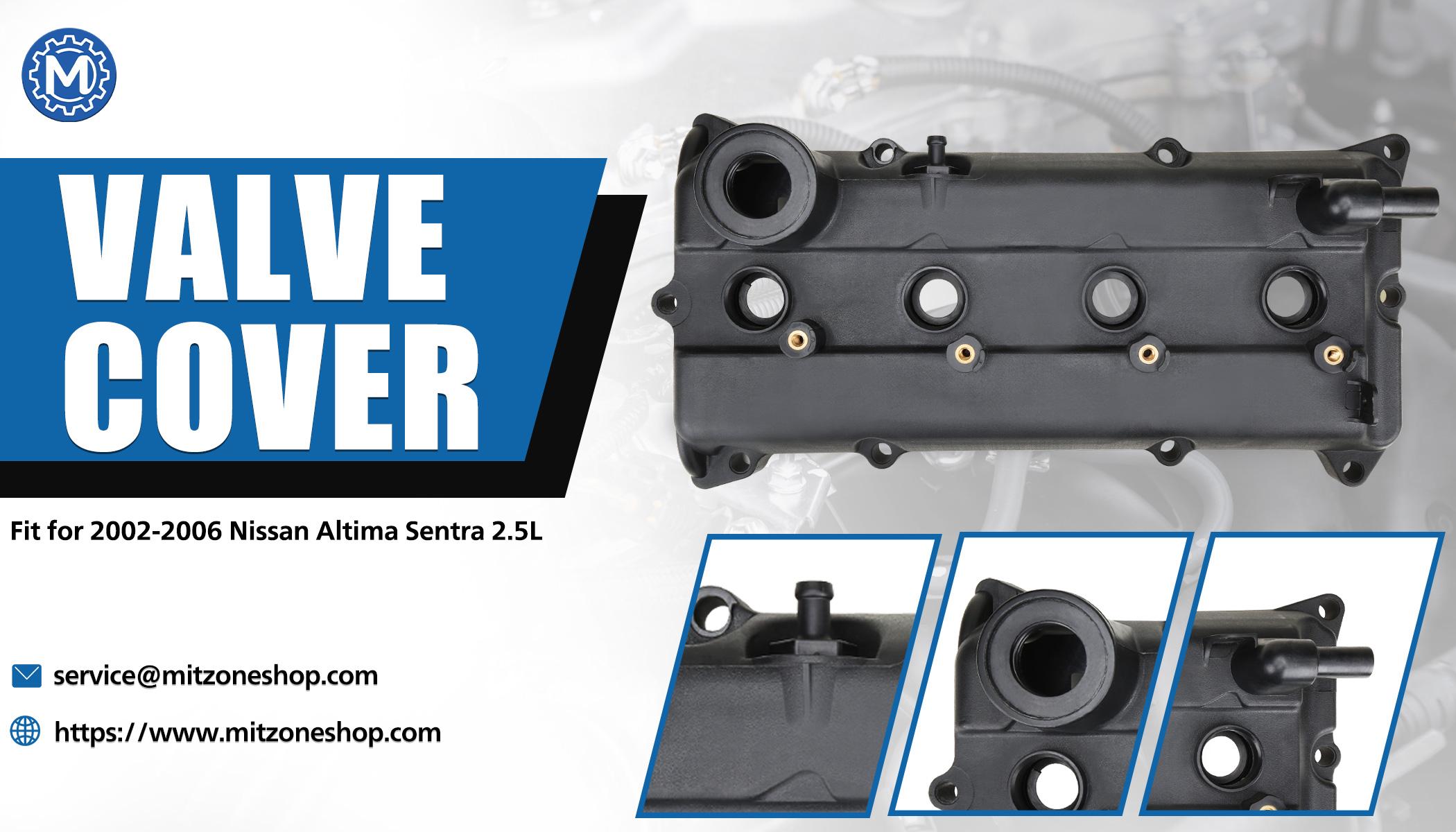
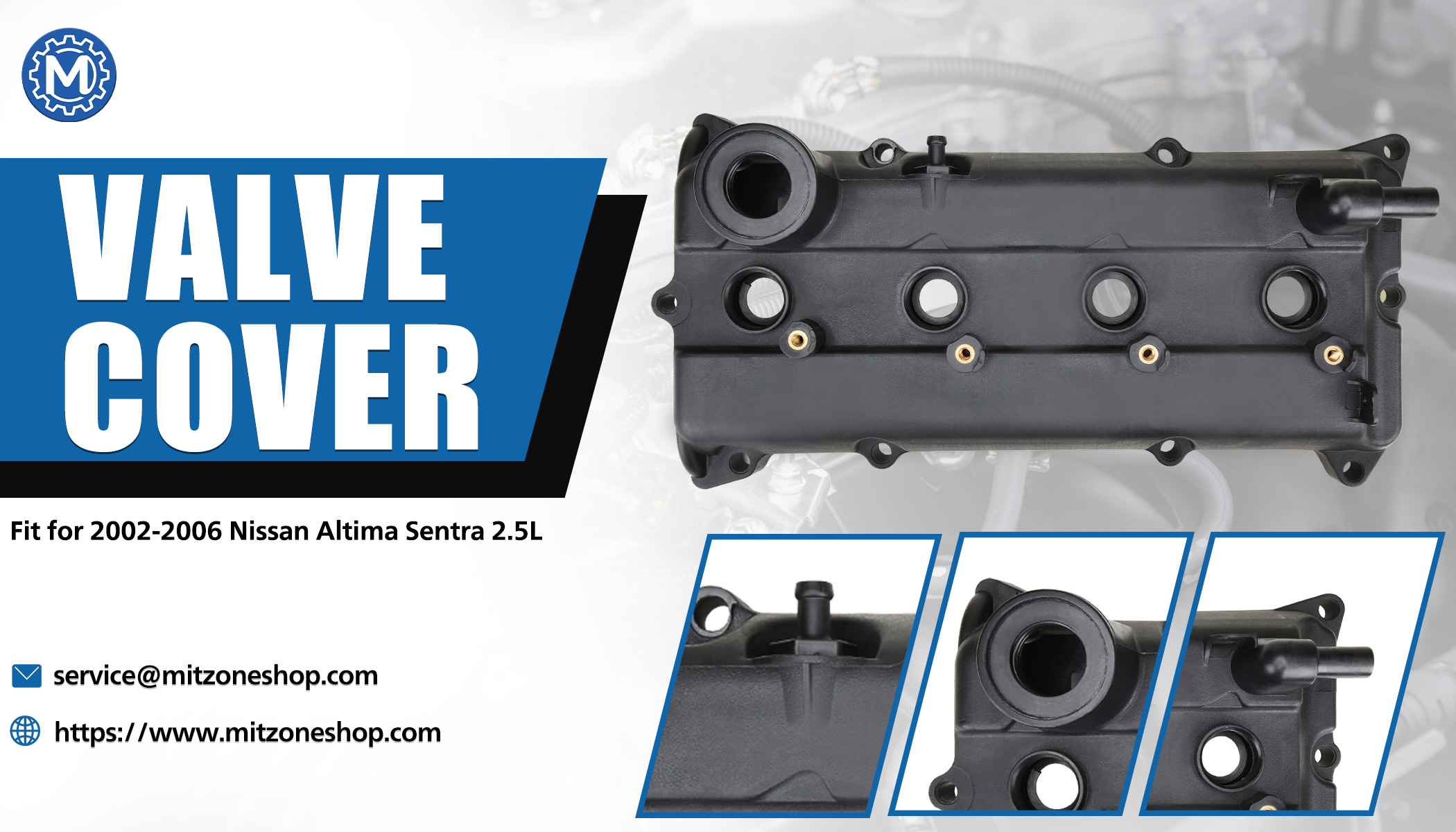
The supplied product information points to a black molded engine top cover marked for fitment on 2002–2006 Nissan Altima and Sentra 2.5L vehicles, with reference numbers 132643Z001 and 132644Z001. That is useful because reference numbers are often the fastest way to narrow fitment during procurement, especially when an exact OEM lineage is unclear.
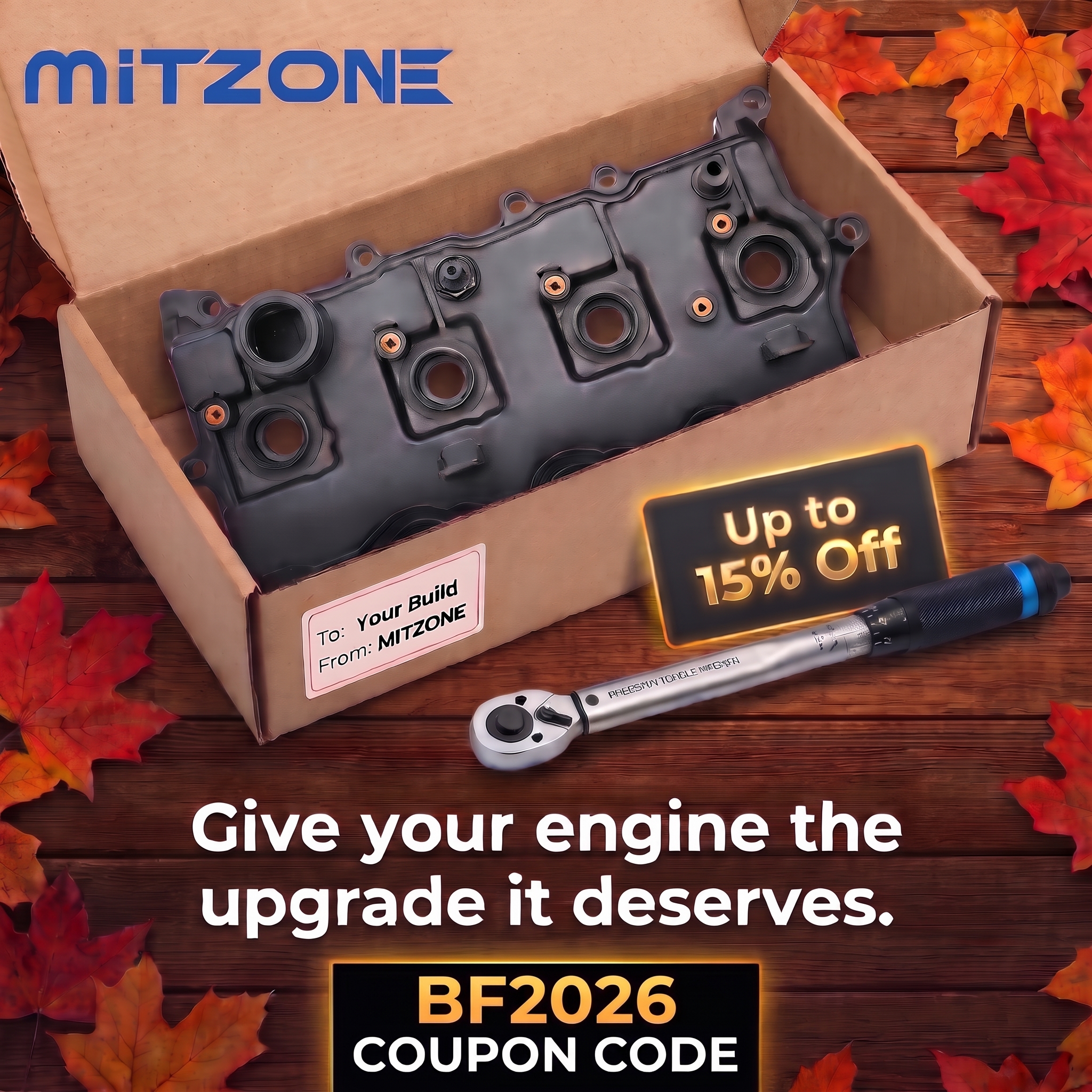
Visually, the cover appears to be a rigid plastic or composite-style component rather than a metal casting. It has a matte to satin black surface, multiple perimeter mounting ears, four visible circular spark plug tube openings, and a hose connection on one side. Those features suggest a part designed to do more than close off the top of the cylinder head: it also has to interface with the PCV or crankcase ventilation system and maintain access around the ignition components.
For a buyer, that means checking more than the headline vehicle application. The number and location of mounting points, the vent/breather opening, and the spark plug tube layout all need to match the engine already in the bay.
Replacement valve cover: what tends to drive the purchase
Most buyers look for a replacement valve cover for one of three reasons: oil leak remediation, cracked cover replacement, or preventative maintenance during a broader engine service. On older vehicles, heat cycling and vibration can make molded covers brittle over time, especially around hose necks and threaded insert points.
A practical caution here: a failed valve cover is sometimes blamed when the real issue is elsewhere. Worn gaskets, damaged sealing surfaces, or crankcase pressure problems can all produce similar symptoms. The cover may be the right part, but the diagnosis still matters.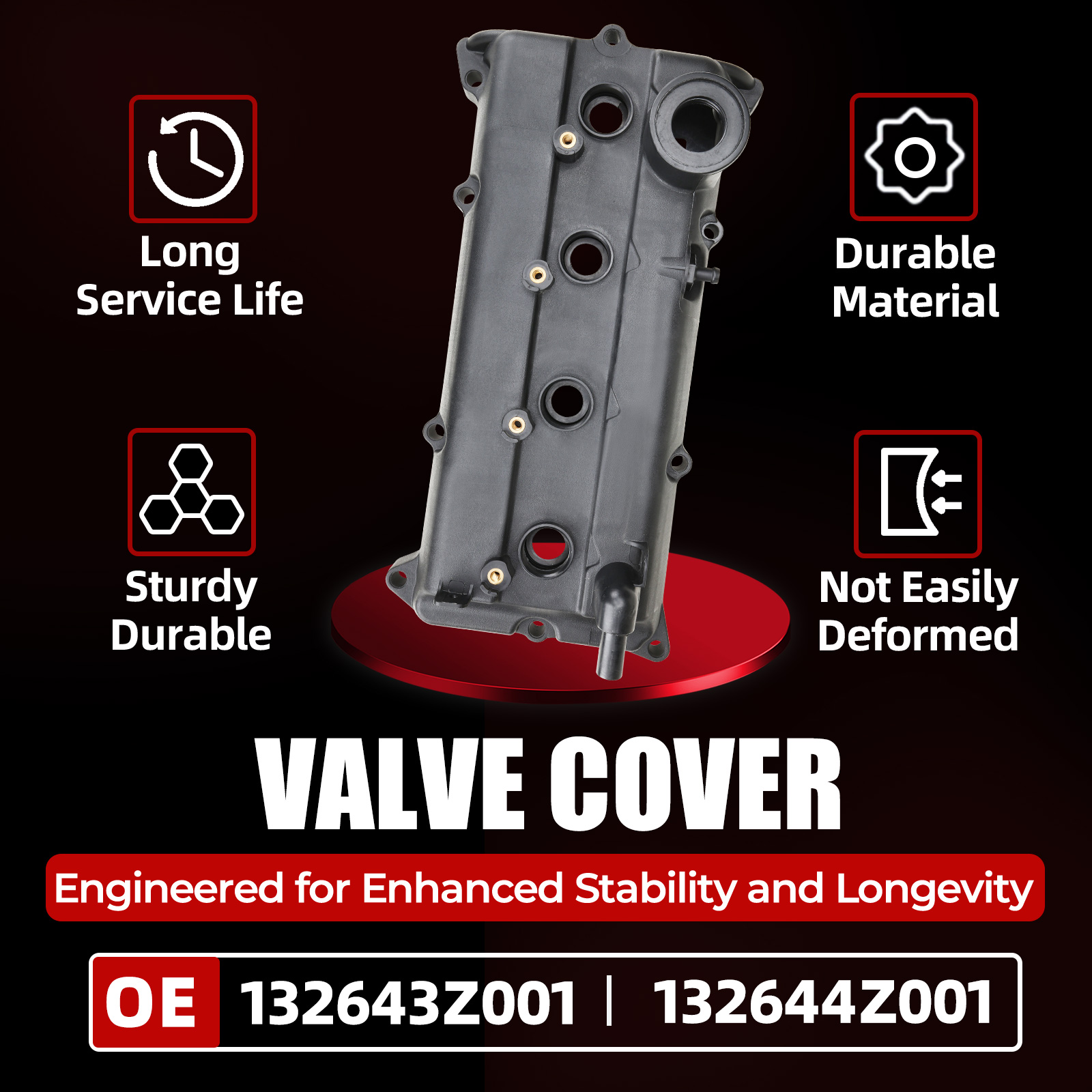
Quick buyer checklist
Before ordering from any exportor or OEM car parts source, confirm:
- Vehicle year, model, and 2.5L application
- Reference numbers on the old part, if available
- Number and placement of spark plug tube openings
- Hose and breather port orientation
- Whether seals or gaskets are included, rather than assumed
That last point is a common trap. Many sourcing mistakes happen because teams assume a complete assembly when only the cover body is supplied.
Material and process considerations
The part is described as likely injection-molded or molded composite, though the exact process is not confirmed. In practical terms, that means buyers should think about dimensional stability, heat resistance, and long-term sealing behavior. A molded cover can work very well in automotive service, but only if the part maintains flatness and the fastener bosses are robust enough for repeated service work.
For direct factory auto parts programs, consistency across batches matters as much as the first sample. Small changes in wall thickness, insert alignment, or port geometry can create installation friction. Engineers know this; sourcing teams feel it when returns start coming back with complaints about fit.
How to evaluate a valve cover supplier
A serious supplier should be able to discuss fitment clarity, part numbering, visible port locations, and how the cover is packaged for handling. For B2B buyers, the useful questions are usually simple:
- Does the part match the stated vehicle range exactly?
- Are the mounting points and openings aligned to the application shown?
- Is the supplier documenting reference numbers clearly?
- Can the supplier explain whether this is a replacement-grade part or a broader OEM replacement option?
It is also worth asking for photos that show the underside and sealing edge, not just the top surface. Even a well-made cover can fail if the sealing profile is wrong.
Common sourcing mistakes
The most common mistake is treating all valve covers for the same engine family as interchangeable. They are not. Vent locations, plug well geometry, and fastener patterns can vary enough to make the wrong part unusable. Another mistake is buying only on visual similarity. A black molded cover may look right in a catalog image and still be wrong for the exact engine code or trim level.
That is why fitment data and reference numbers carry real weight in procurement.
Practical next step for buyers
If you are sourcing this type of replacement part for repair, resale, or parts distribution, start with the vehicle application, then verify the reference numbers and port layout against your target inventory. A valve cover supplier that can support that basic level of documentation is usually a safer bet than one relying on broad claims.
For engineering and purchasing teams, the goal is not just to buy a cover. It is to buy a part that installs once, seals properly, and does not send the vehicle back to the service bay.