
Why valve cover sourcing matters more than it looks
If you work in aftermarket engine parts, a valve cover supplier is not just selling a shaped metal lid. You are buying a sealing component that can make or break a repair order, a service bay schedule, and sometimes a customer’s confidence in the whole engine job. On Nissan VQ35 3.5L applications such as the 2003–2008 350Z, Infiniti FX35, G35, and M35, the valve cover sits at the center of oil containment, valvetrain protection, and crankcase ventilation routing. When it leaks, warps, or cracks, the problem usually shows up as a small oil smell first and a larger repair bill later.
For sourcing managers and repair-focused distributors, the question is not only whether the part fits. It is whether the replacement part is consistent, easy to install, and visually close enough to the original to avoid comebacks. That is especially important in OEM car parts programs and in direct factory auto parts supply chains, where installers expect predictable geometry around gasket lands, coil openings, and hose ports.
What the part does on the VQ35 platform
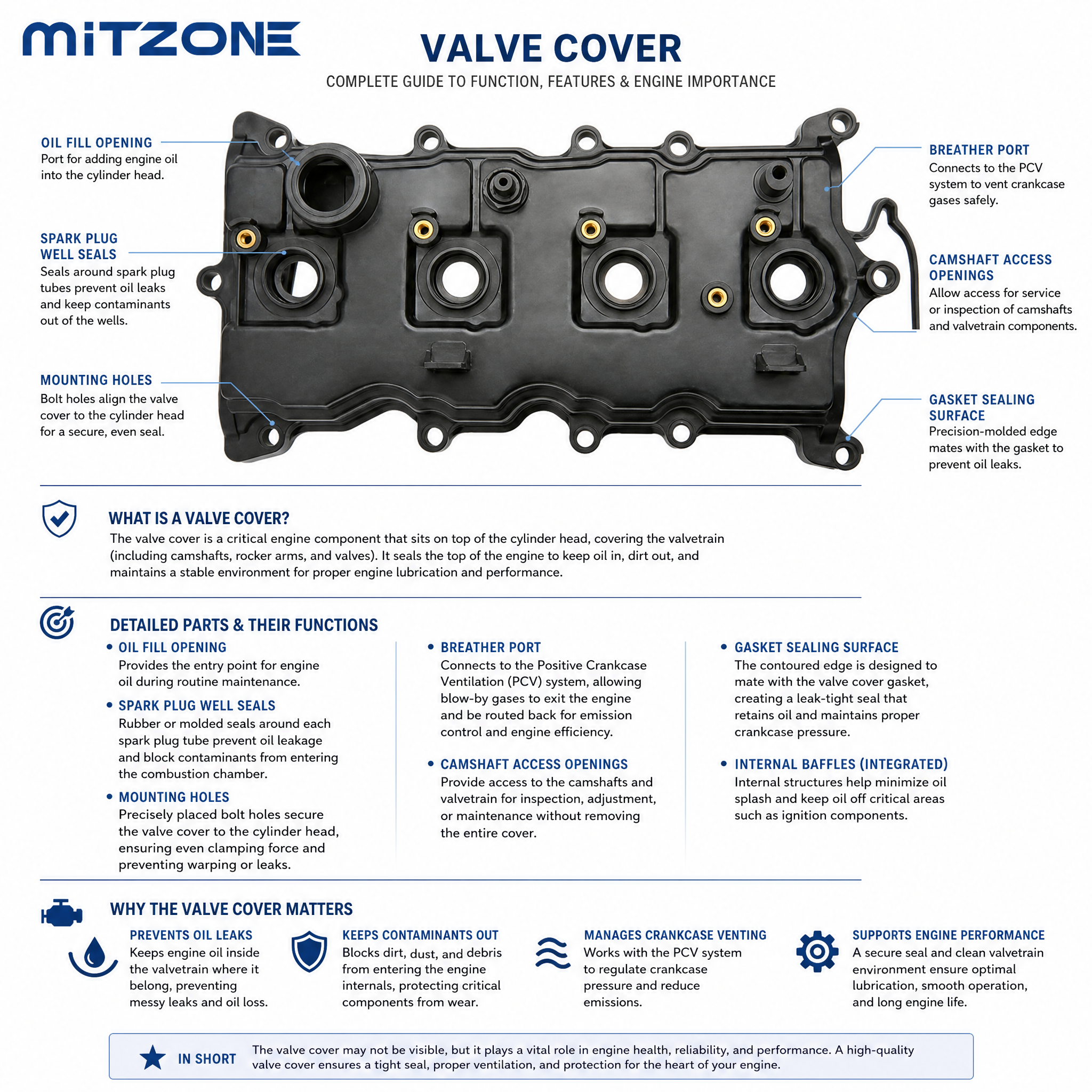
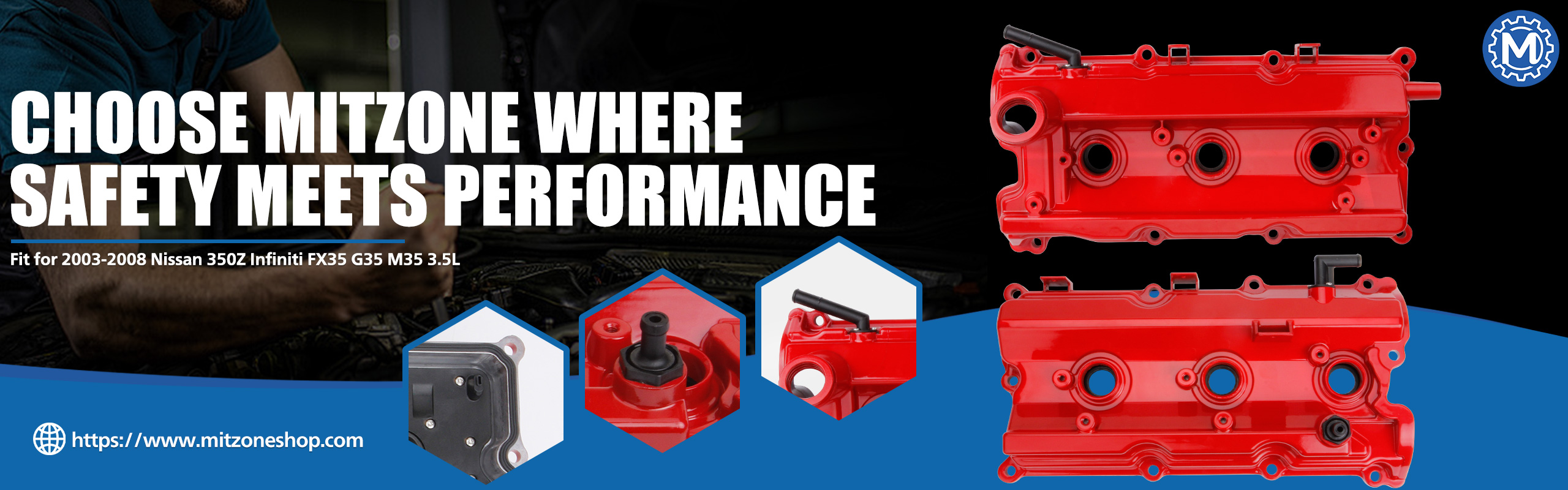
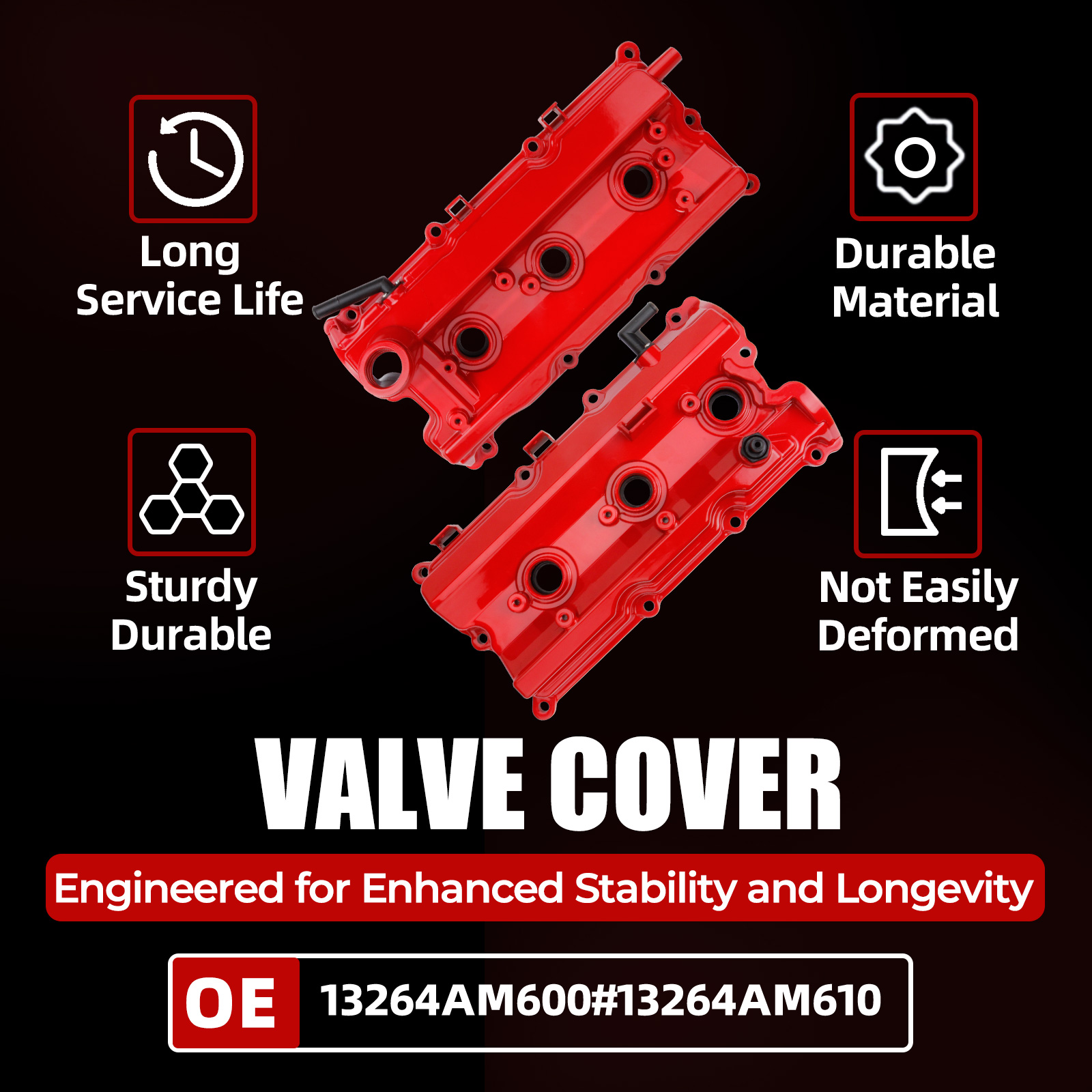
The product shown is an automotive valve cover, also called an engine rocker cover assembly. In practical terms, it seals the top of the cylinder head and helps retain engine oil around the valvetrain. It also provides the openings needed for ignition coil access and for breather or PCV connections. Those details sound ordinary until one is missing or out of place; then the entire service job slows down.
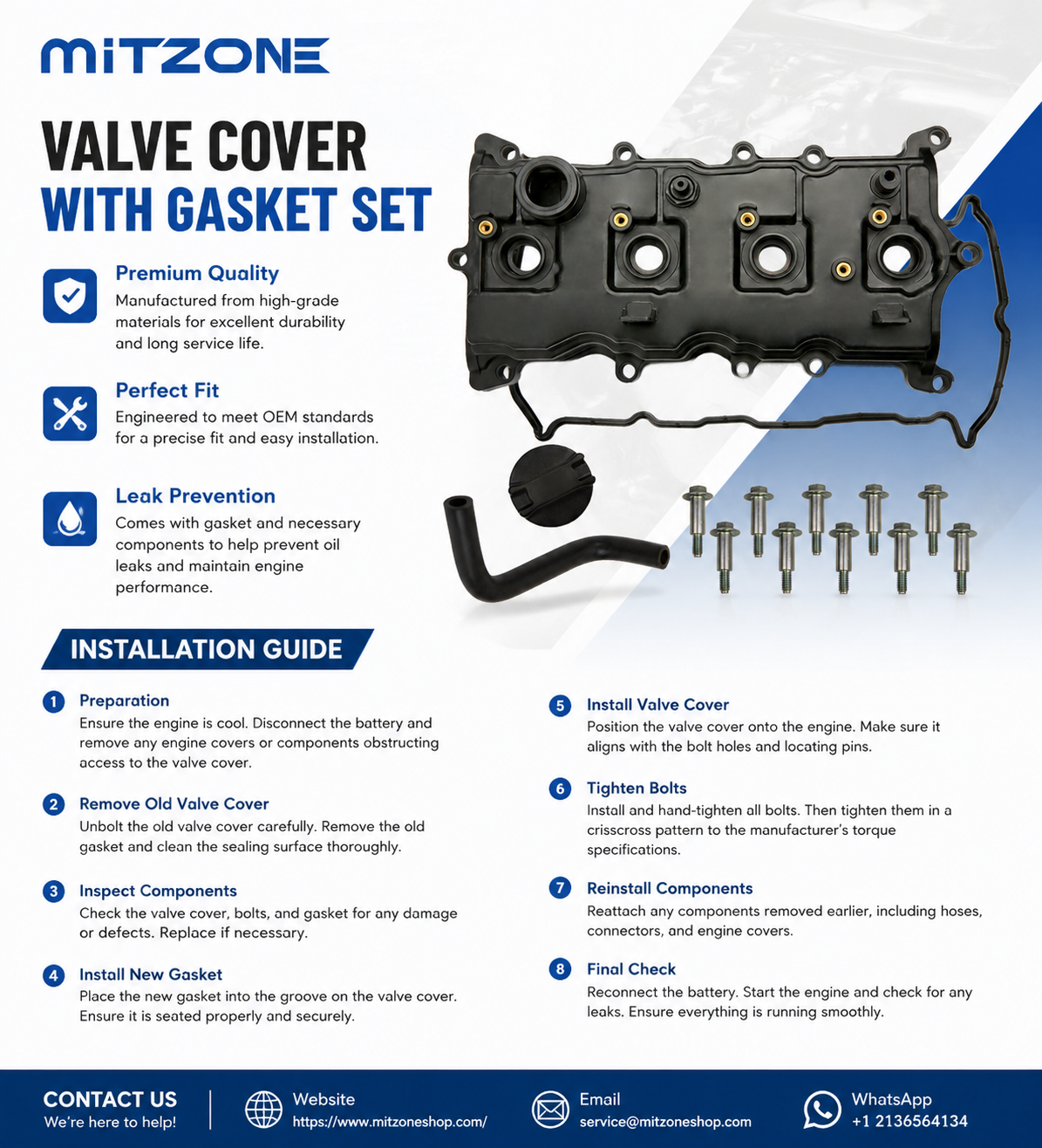
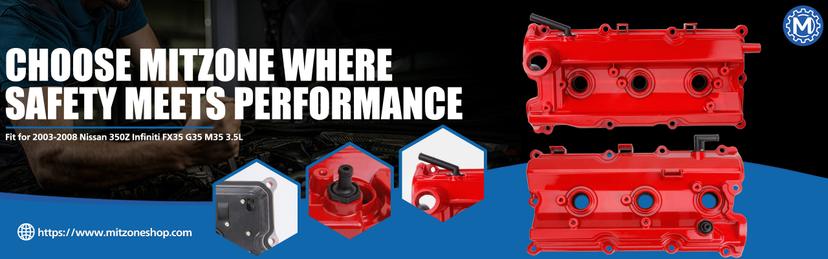
The visible part appears to be a rigid metal cover, likely aluminum or a cast metal body, with a glossy red painted or coated finish. Black gasket or seal areas are visible along the perimeter, and there are black plastic or rubber vent fittings in the design. The shape includes multiple bolt mounting points, circular coil/plug openings, raised ribs, and an integrated hose or PCV port. Two product views are useful here because valve cover buyers often need to confirm port placement before placing a bulk order.
Quick buyer takeaways
For this application, the main sourcing questions are straightforward:
Does the part match the listed 2003–2008 Nissan 350Z, Infiniti FX35, G35, and M35 3.5L fitment?
Are the mounting points, coil openings, and breather/PCV ports in the expected locations?
Is the finish and surface condition appropriate for repair or retail presentation?
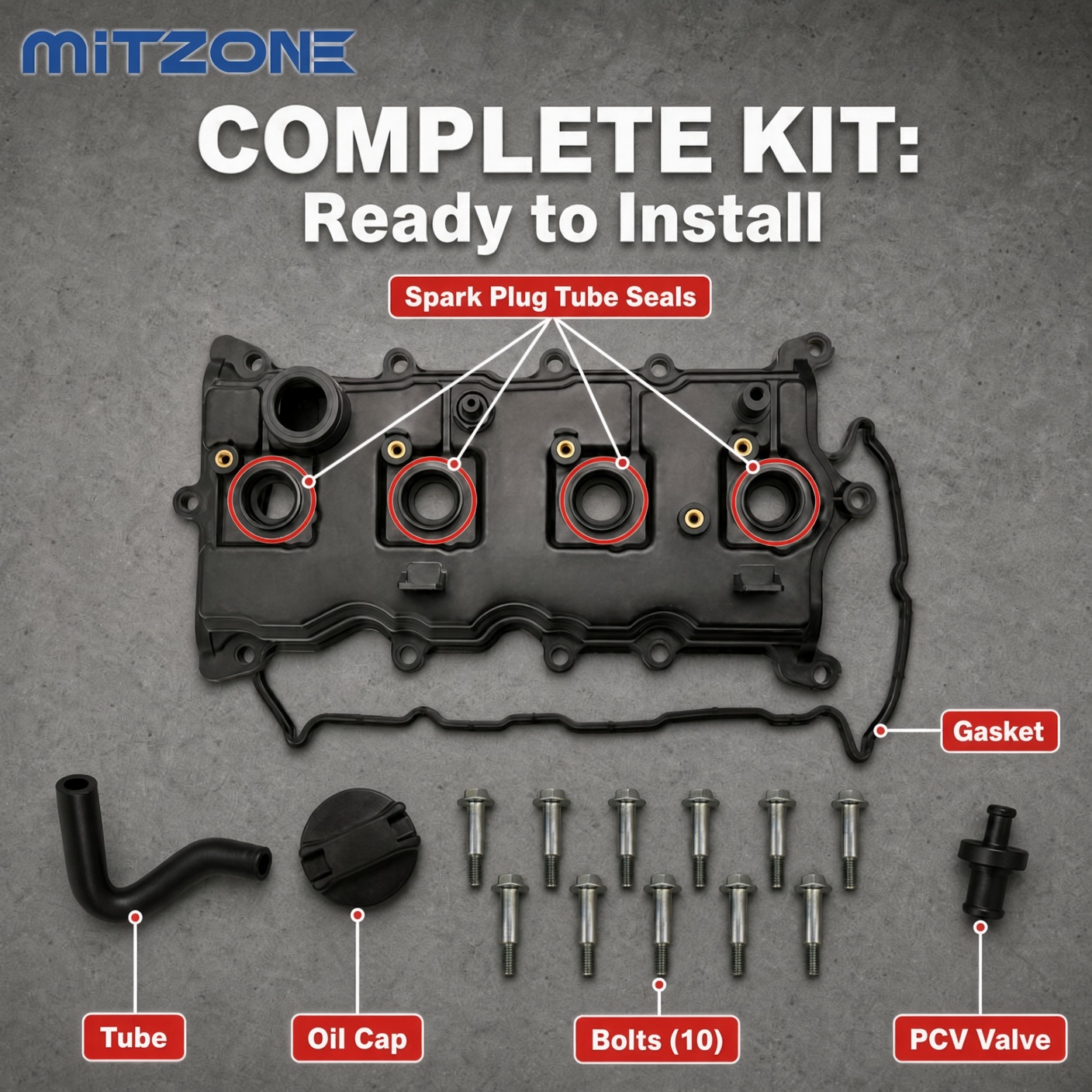
Does the offer include gaskets, bolts, or other hardware, or is that purchased separately?
That last point matters more than many buyers like to admit. A pretty cover with missing seals is not much help in a service bay.
How suppliers typically present this type of part
In the aftermarket, a valve cover supplier may position the part as a replacement for cracked, leaking, worn, or cosmetically damaged original covers. That is the right use case here. Shops often replace a valve cover when oil seepage reaches the ignition area or when the original cover has been damaged during earlier repairs. Distributors, meanwhile, want a part that can move across both retail and workshop channels without confusion.
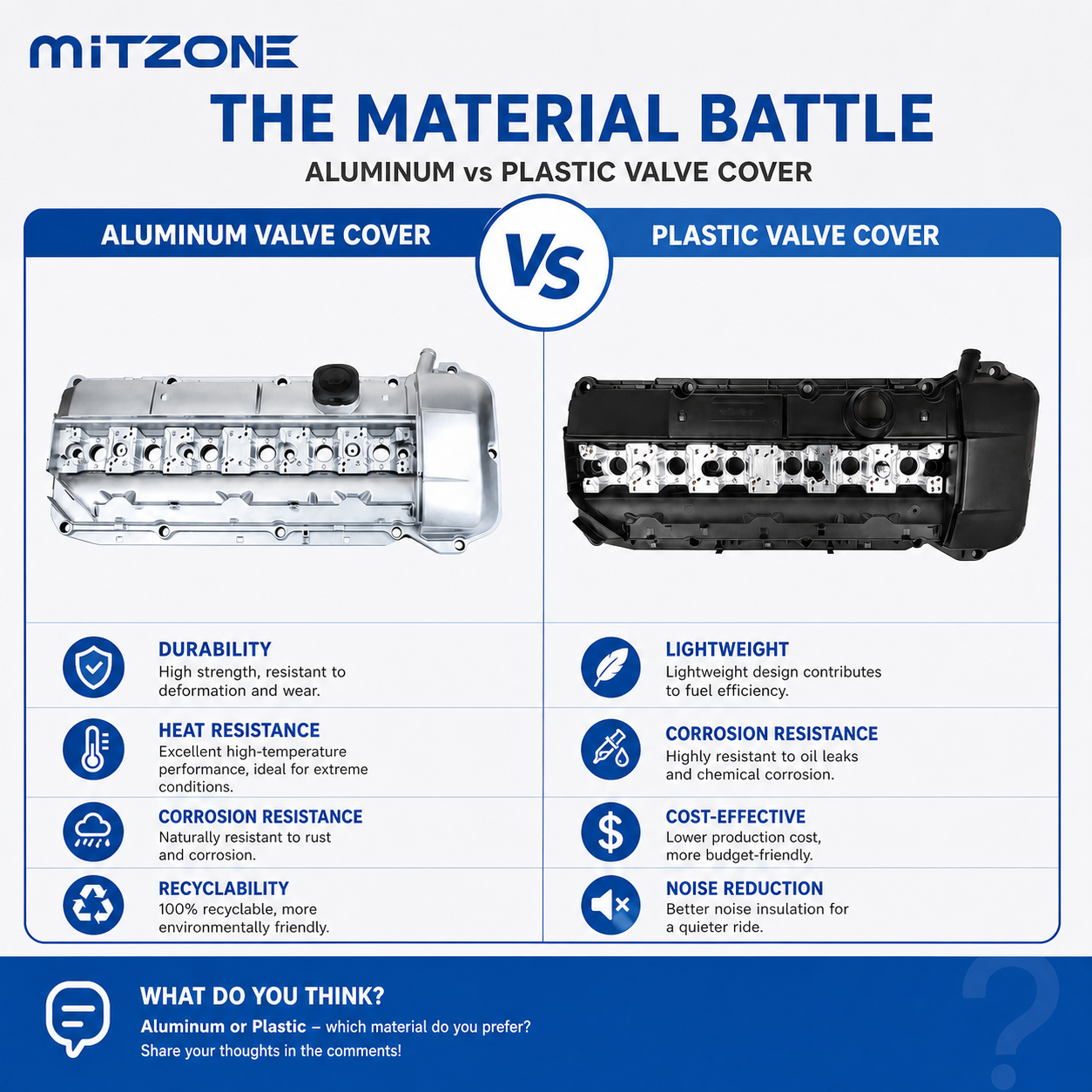
For parts buyers, the visual clue set is important. A cover with an integrated port, clear bolt pattern, and defined sealing surface is easier to verify than a generic casting. If your team handles exportor programs, that kind of visual clarity can reduce returns, even when the product is being sold across multiple markets under different packaging.
Selection criteria that actually matter
Fitment over finish
A red coating may help shelf appeal, but fitment is what keeps the engine dry. Confirm the engine family and bank position carefully. The source data does not confirm whether this is a left-side or right-side cover, or whether the listing is for a complete set. That is not a minor detail; it is the sort of thing that causes procurement headaches when overlooked.
Material and sealing surfaces
The likely cast-metal construction is a plus for durability, but buyers should still pay attention to the machined sealing interfaces. A cover can look substantial and still seal poorly if the gasket land is inconsistent. Exact material grade and coating durability are not confirmed here, so a cautious buyer should ask for those details rather than assume them.
Included components
Do not assume the gaskets, bolts, coils, or PCV hardware are part of the package. The product image shows attached fittings, but that does not confirm a complete installation kit. For OEM car parts programs, that distinction affects both landed cost and warehouse picking accuracy.
Common mistakes when sourcing valve covers
The most common error is treating all VQ35 valve covers as interchangeable. They are not. Port layout, cover side, and mounting geometry can differ enough to matter. Another mistake is focusing on appearance alone. A glossy painted part may sell well online, but if the sealing face is not right, the repair shop will not care what it looked like in the catalog.
One more practical warning: if the vehicle came in with oil contamination around the coils, a valve cover replacement may be only part of the repair. Related seals and surrounding components often need inspection. That is not a sales pitch, just a reminder that engine top-end repairs rarely end with one part.
FAQ for parts buyers
Is this part for repair only?
It is suitable for replacement and maintenance use on compatible vehicles. It is also relevant for parts distributors building repair-focused inventory.
Is it an OEM part?
The source data does not confirm exact OEM status, so buyers should verify before assuming factory origin.
Can it serve workshops and DIY buyers?
Yes, provided the fitment and included hardware are clearly stated. DIY buyers in particular need simple, accurate labeling to avoid ordering the wrong bank or incomplete kit.
What to ask before placing a bulk order
Ask for fitment confirmation, included components, bank-side identification, and packaging details. If you are comparing direct factory auto parts offers, request enough photos or dimensional information to verify the sealing perimeter and port locations. That is usually faster than handling a return after the fact.
For anyone building a catalog around Nissan VQ35 service parts, this is a part worth sourcing carefully. The right valve cover supplier should be able to answer the unglamorous questions clearly: what fits, what is included, and what is not. That is where the real value is.