
What buyers need from a valve cover supplier
If you are sourcing a valve cover supplier for repair stock, resale, or fleet maintenance, the real question is rarely just “Can they make the part?” It is whether the part fits the engine, seals reliably, and arrives in a condition that a workshop can install without wasting time on returns. That matters even more with engine top-end parts, because a small mismatch in bolt pattern, breather port layout, or coil opening geometry can turn a routine repair into a comebacking job.
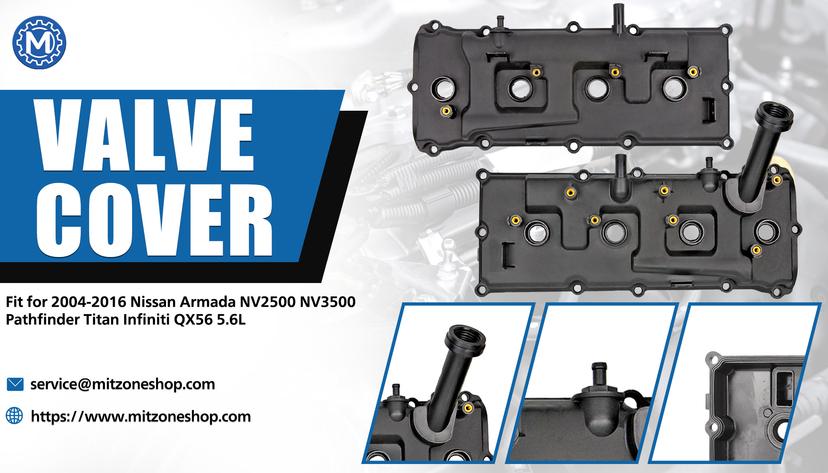
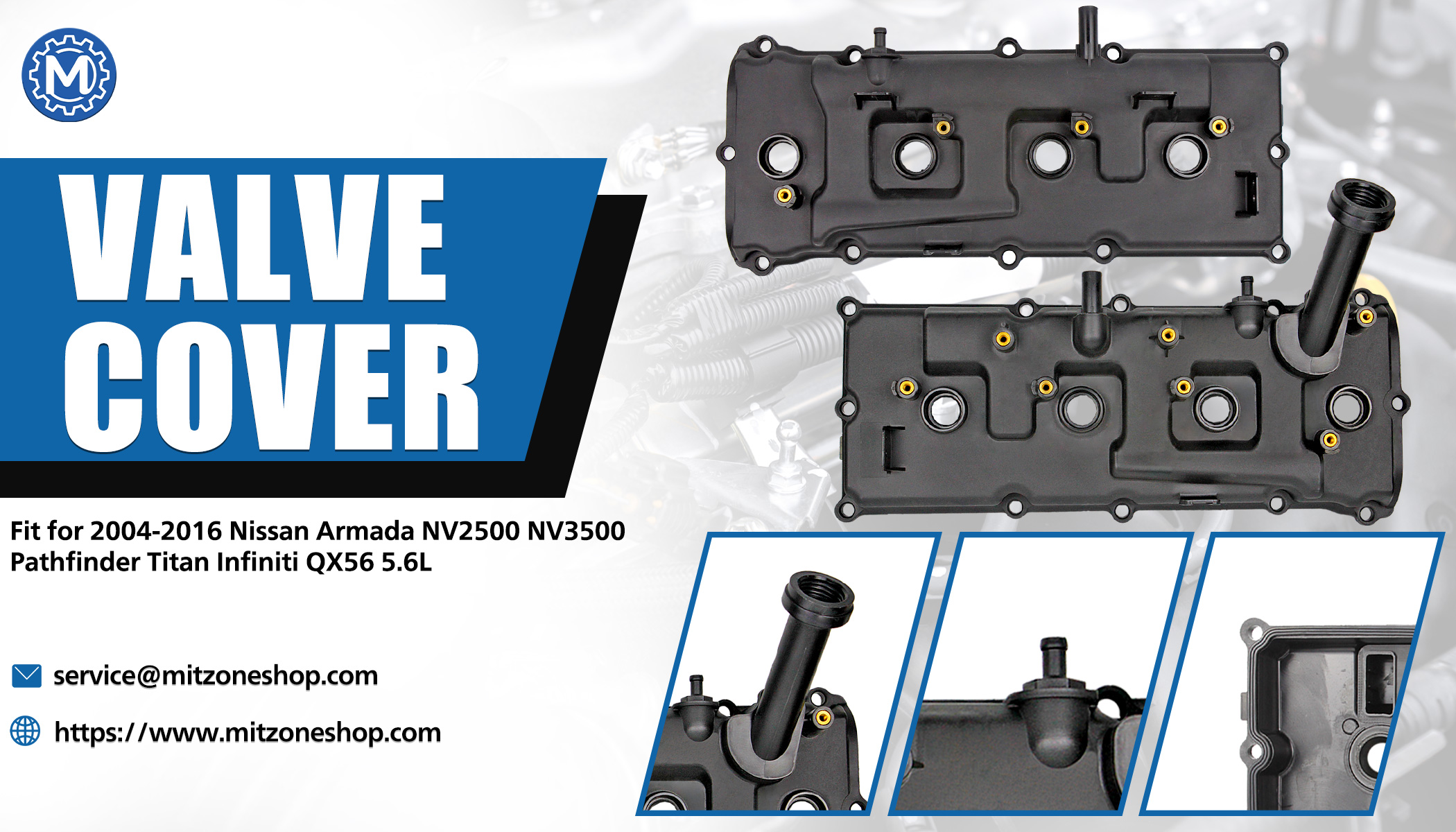
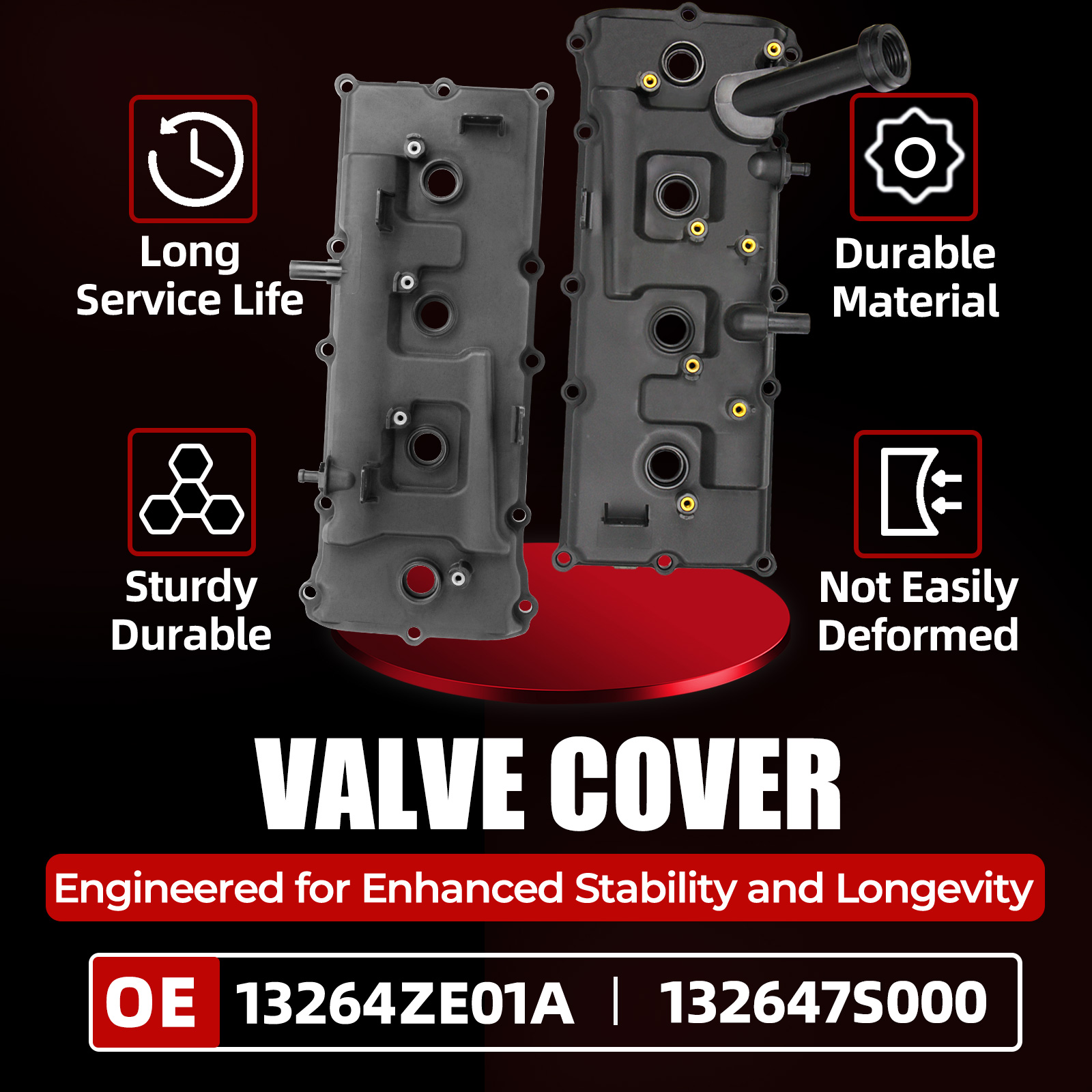
The valve cover shown in the preparation data is a molded black engine rocker cover assembly associated with Nissan and Infiniti 5.6L applications, including 2004–2016 Armada, NV2500, NV3500, Pathfinder, Titan, and QX56. Part numbers listed are 13264ZE01A and 132647S000. For buyers, that tells you two things immediately: first, this is a fitment-sensitive part; second, the sourcing decision should center on compatibility control as much as on price.
Why this part is more than a simple plastic cover
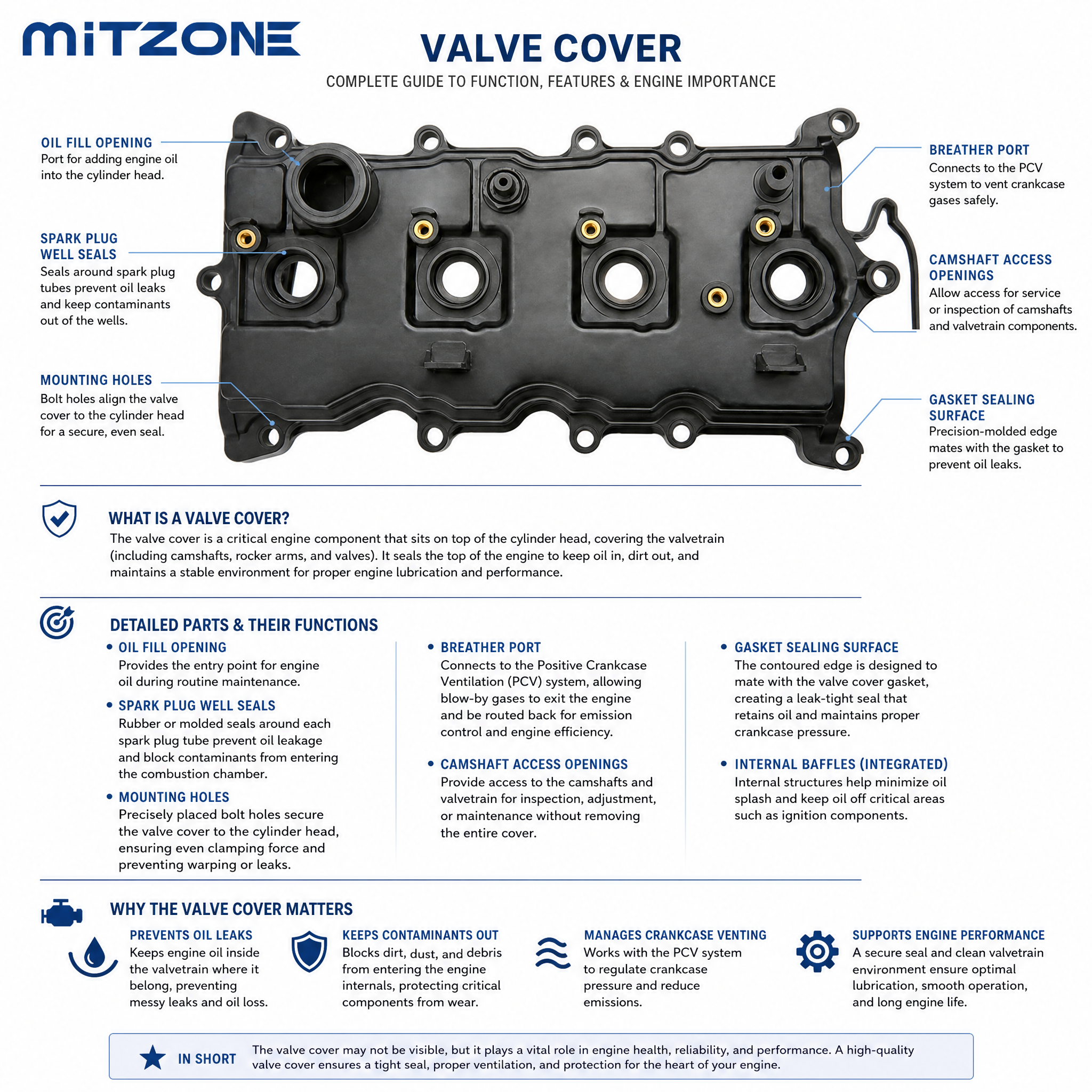
On paper, a valve cover looks like a shell. In practice, it does several jobs at once. It closes off the top end of the engine, helps keep oil inside the valvetrain area, supports spark plug or coil access openings, and usually integrates ports or channels tied to breather or PCV functions. The photographed part shows multiple circular openings, perimeter bolt holes, and raised molded passages, which is exactly the sort of geometry that needs careful tooling and repeatable molding.
That is why sourcing from a direct factory auto parts channel is often preferred by distributors and repair-oriented buyers. The risk is not only dimensional drift. It is also inconsistency from one batch to the next, especially when parts are marketed as OEM car parts alternatives without clear documentation of what is and is not included.
Quick buyer check: what to confirm before ordering
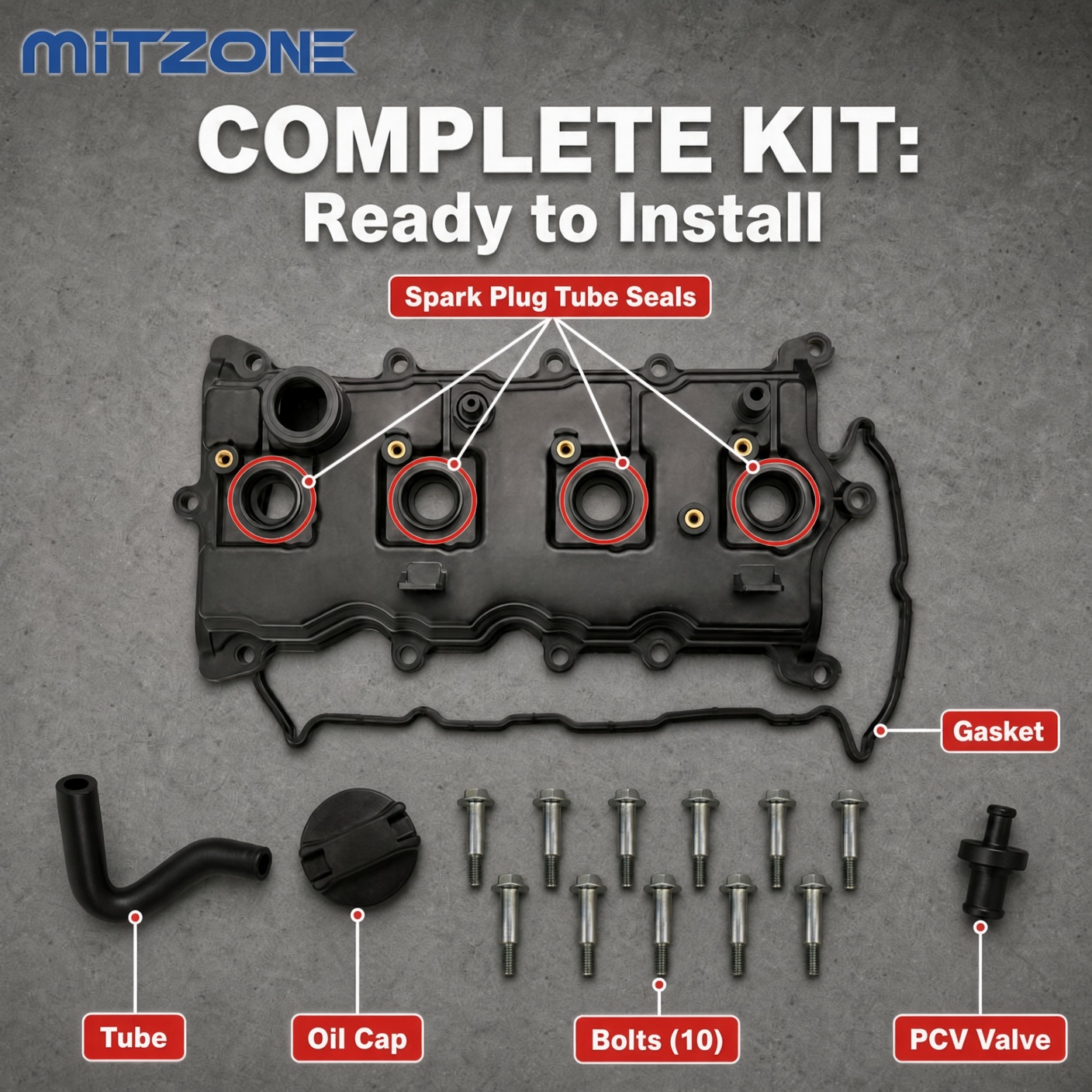
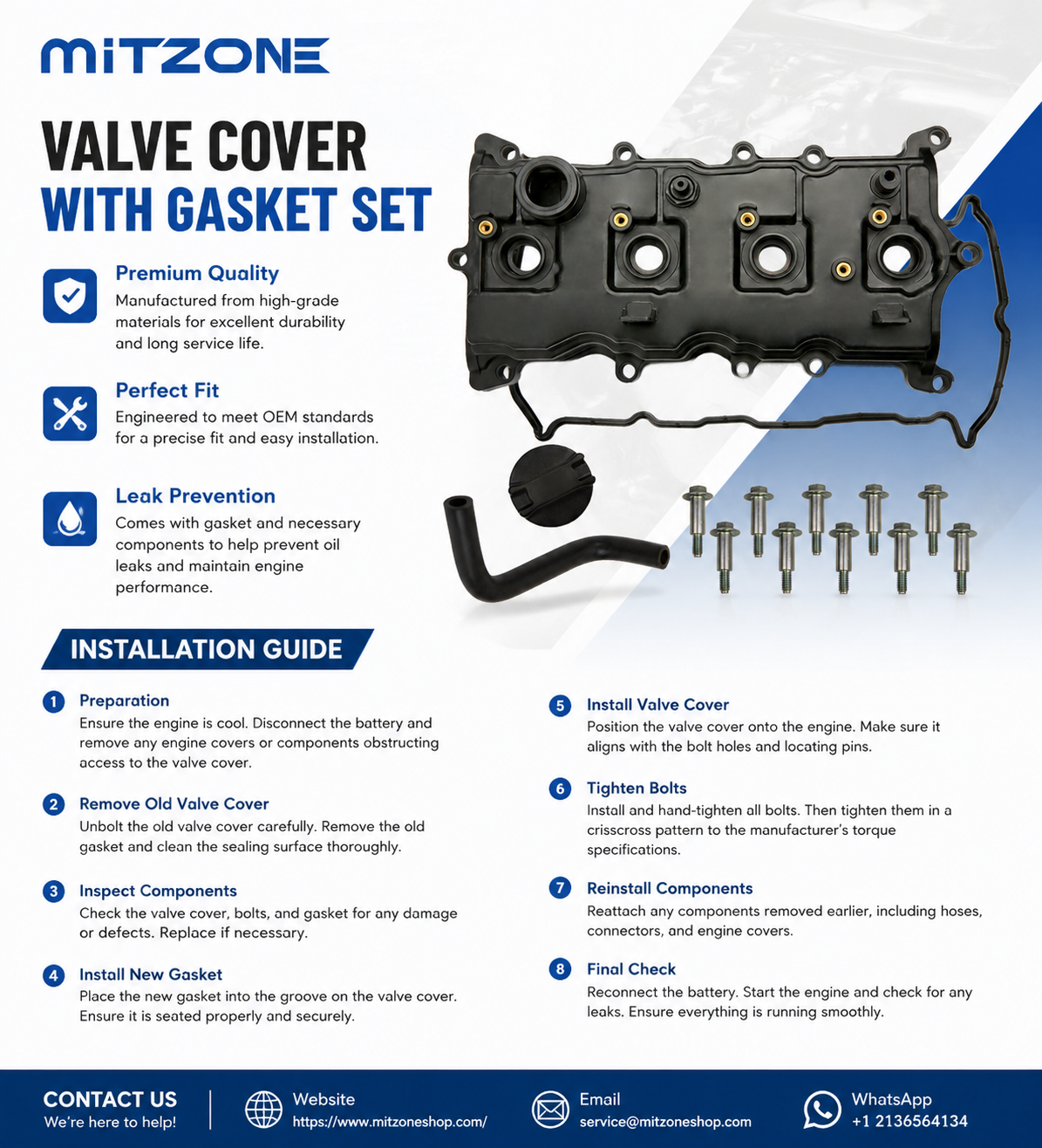
Before placing a purchase order, verify the engine code, vehicle year range, and side-specific application. The notes indicate dual-side images, suggesting left and right covers or mirrored variants. That is useful, but it is not enough on its own. A buyer should also confirm whether the listing is for one bank or a pair, and whether the gasket, bolts, seals, or PCV components are included. The preparation data does not verify those items, so it would be a mistake to assume they are part of the package.
For maintenance shops, that distinction affects labor planning. For resellers, it affects returns. For fleet accounts, it affects downtime. A missing seal set can stall the job even if the cover itself is correct.
Material and construction: what can be said safely
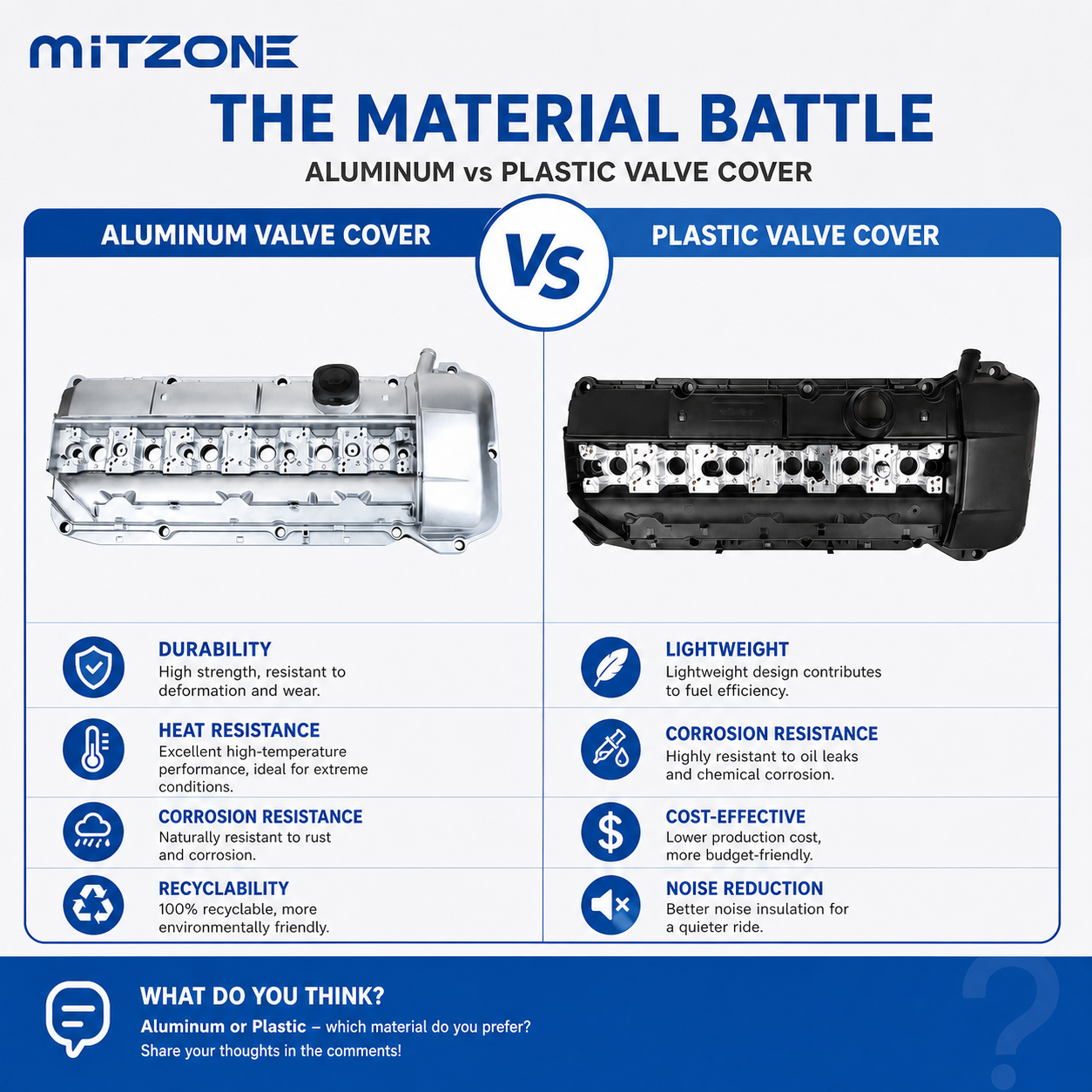
The part appears to be a molded plastic or composite valve cover with a matte black finish. That is common in modern engine bays because it keeps weight down and can be formed with integrated features that reduce secondary assembly steps. Still, the exact material grade is not visible here, and neither are internal baffles or reinforcing features. Buyers should treat any claim about heat resistance, OEM-equivalent construction, or internal design as unverified unless the supplier provides documentation.
That cautious approach is especially important if you are comparing an exportor offering with domestic stock. The outward look of the part may be nearly identical across suppliers, but the hidden details are what determine service life.
How to compare suppliers without getting burned
Fitment accuracy
Ask for confirmation against the OEM numbers 13264ZE01A and 132647S000, not just the vehicle nameplate. Model names can be broad; part numbers are narrower.
Packaging and completeness
Clarify exactly what is in the box. If the cover is sold as a bare shell, your buyer needs to know that before the engine is opened.
Visual consistency
Because this component has coil openings, mounting bosses, and molded ports, the visual cues matter. A supplier should be able to supply clear images of both sides and confirm whether the left and right variants are mirrored or sold individually.
Channel suitability
Some parts are fine for repair shops but awkward for ecommerce unless the catalog data is precise. Others work well as direct factory auto parts for regional distributors. This one leans toward the second category because fitment is explicit and the part is easy to misorder.
Common sourcing mistakes
The biggest mistake is assuming a valve cover is universal across the same engine family. It is not. Port layout, bolt spacing, and side-specific shape can vary enough to make a near match useless. Another common problem is buying on photos alone. A matte black molded cover can look right even when the underside details or included hardware differ.
A second mistake is failing to define whether the part is for retail shelf stock, workshop use, or export distribution. Those channels often need different labeling, packing, and documentation. If you are buying OEM car parts for mixed channels, that matters more than people expect.
Practical advice for shops and resellers
For repair shops, the safest route is to source from a valve cover supplier that can tie the part to the exact vehicle fitment and part number. For resellers, prioritize clear part-number labeling and mirrored-side identification. For fleet maintenance, ask about bulk consistency and whether the supplier can keep the same tooling and revision stable over time.
One practical aside: if the original cover failed because of warping, cracked mounting points, or oil leakage around the perimeter, inspect the mating surfaces and related PCV system before installing the replacement. A new cover will not fix a ventilation problem elsewhere in the engine.
What this part tells you about the right supplier
A good supplier for this category should not just quote a price. They should understand fitment, side designation, packaging completeness, and how to present the part to a buyer who may be cross-referencing a Nissan or Infiniti application. The product in the preparation data is a useful example of why that matters: the part is straightforward in appearance, but specific in application.
If you are comparing sources now, start with fitment confirmation, ask for included-component details in writing, and request side-by-side photos if you need to stock both banks. That is the cleanest way to avoid a costly mismatch and the easiest way to separate a serious supplier from a generic listing.
Next step
If you are building a repair inventory or evaluating a new sourcing channel, ask the valve cover supplier for OEM-number cross-reference, side identification, and a full packing list before placing volume orders. That small step usually prevents the kind of problem that shows up only after the engine is already apart.