
Why sourcing a thermostat housing outlet supplier takes more than checking the part number
When a cooling system starts running hot, leaking at the housing, or cycling erratically, the thermostat assembly moves from a background component to a line-down problem. For buyers looking for a thermostat housing outlet supplier, the challenge is not simply finding a part that looks right. It is finding a replacement that fits the engine bay, seals properly, and supports the cooling strategy of the vehicle without adding warranty risk later.
That matters because thermostat housing failures are rarely isolated. A poor seal can lead to coolant loss. A mismatched outlet neck can make hose routing awkward or impossible. And if the housing does not sit correctly on the flange, even a new gasket may not save the repair. For service networks, parts distributors, and repair-focused buyers, the decision is really about whether the supplier can deliver a dependable engine cooling system component that behaves like the original installation expects.
What this assembly does in the vehicle
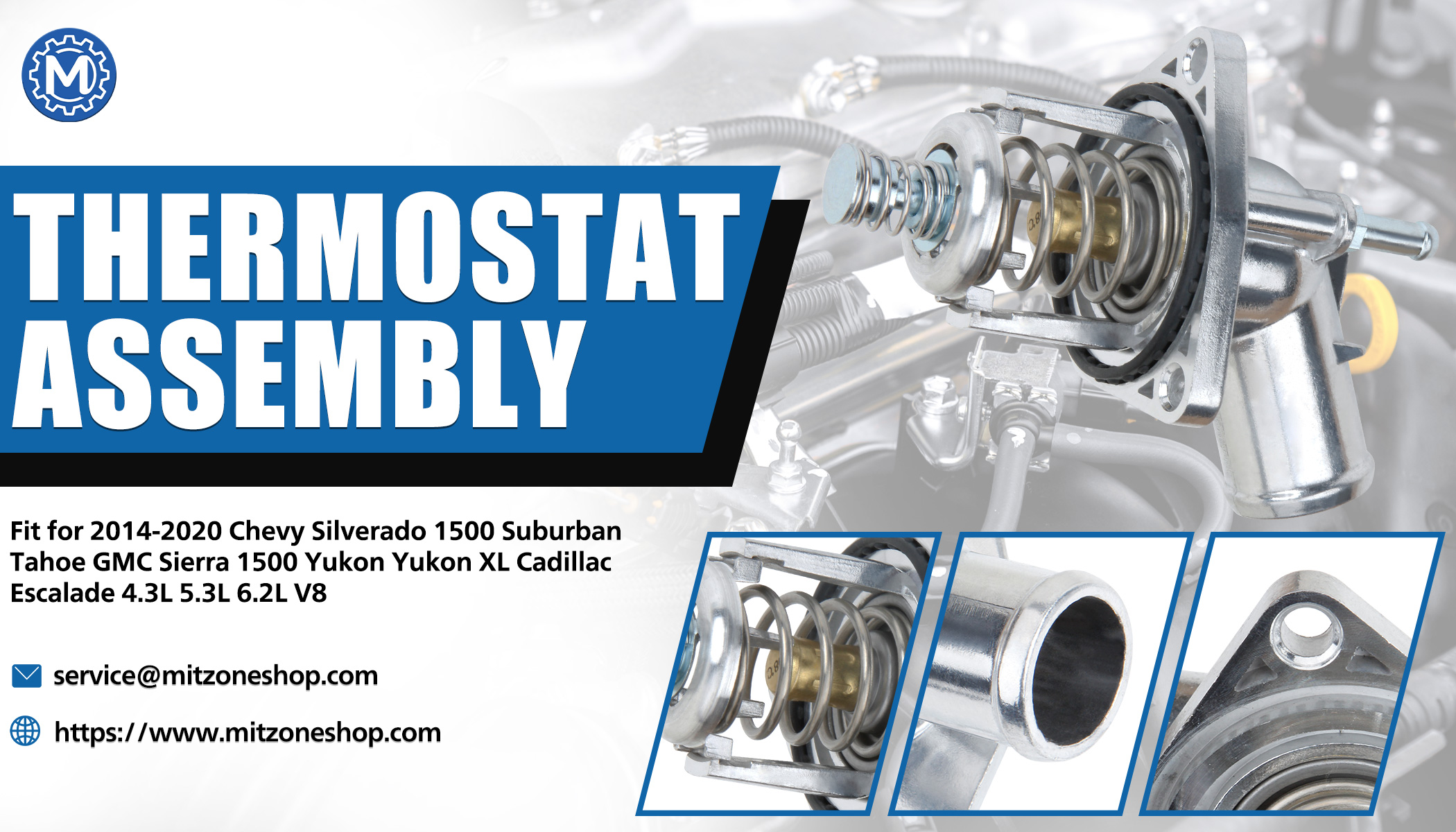
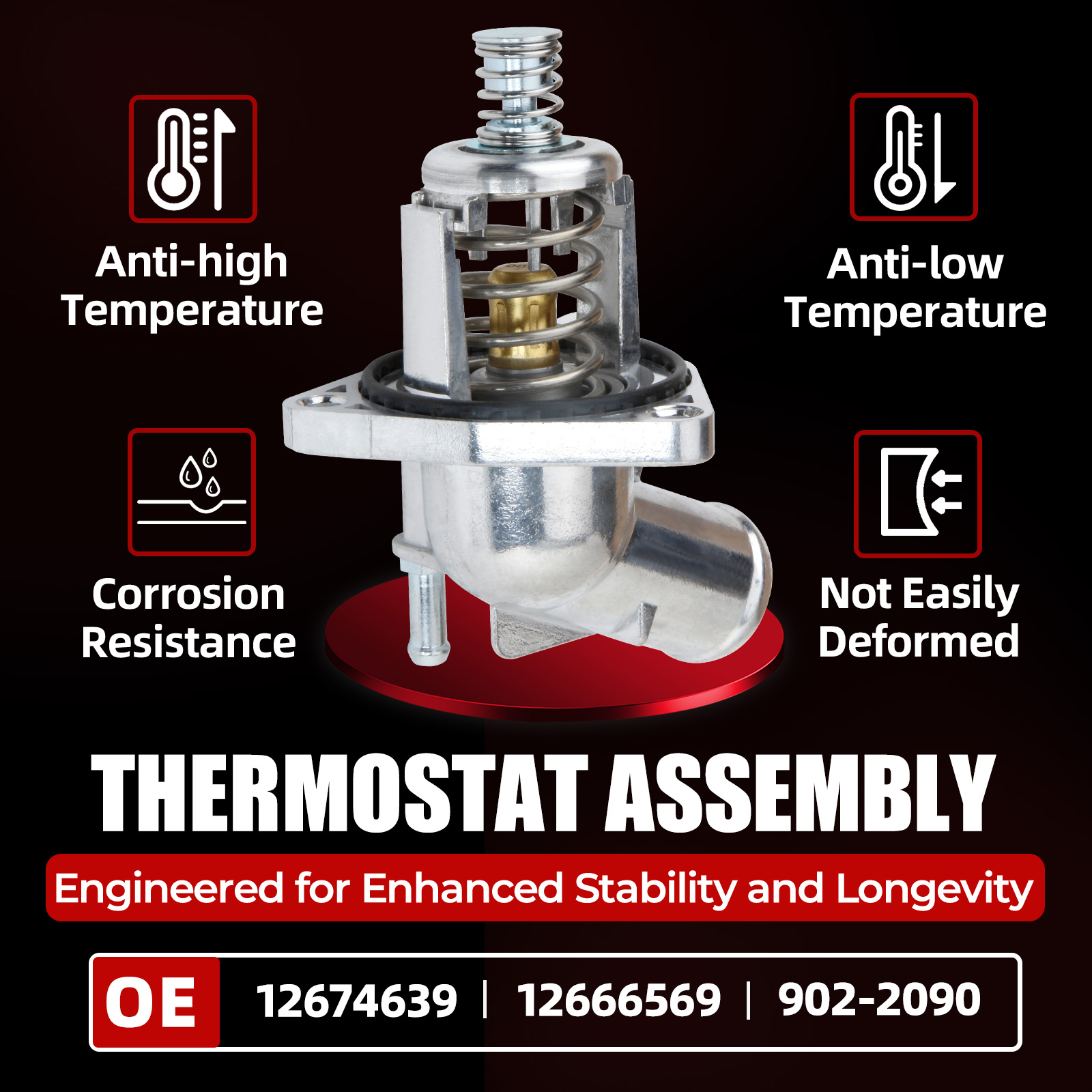
The thermostat housing assembly regulates engine coolant flow by opening and closing the thermostat in response to coolant temperature. In practical terms, it helps the engine reach operating temperature, then keeps it from running too hot once load and ambient conditions rise. The visible design described here is a compact inline unit with a metal housing, a circular mounting flange, a hose outlet neck, and internal spring-and-valve components.
That may sound simple, but the part sits at a sensitive intersection of thermal control and sealing. The flange area has to mate cleanly to the engine, and the outlet has to accept the hose without stress. In the aftermarket, buyers often underestimate how much a small dimensional error can affect install time. A few millimeters of misalignment can turn a straightforward service job into a frustrating comeback.
Reference points for buyers comparing supplier options
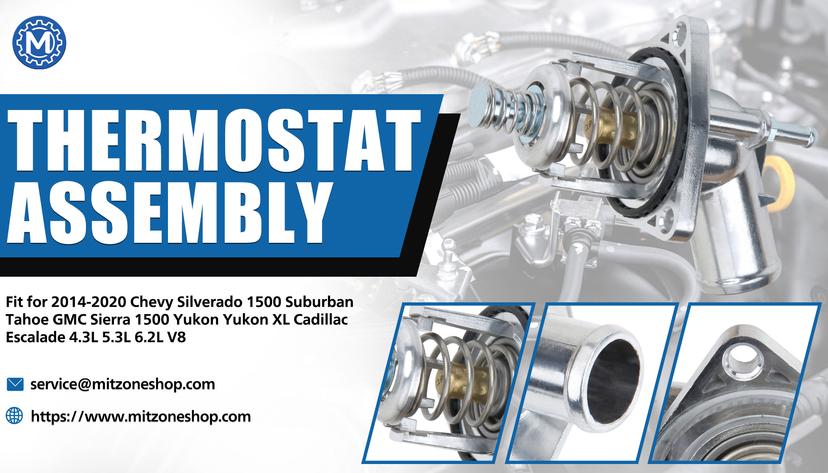
For this kind of automotive replacement part, the fastest comparison is usually not price alone. It is fitment, material construction, and consistency from one lot to the next. The available notes identify this unit as a Mitzone coolant thermostat housing, part number 12674639, with fitment listed for 2014–2020 Chevy Silverado 1500, Suburban, Tahoe, GMC Sierra 1500, Yukon, Yukon XL, and Cadillac Escalade with 4.3L, 5.3L, and 6.2L V8 engines.
That fitment range is useful, but it should still be checked against VIN-level or engine-specific application data before a bulk purchase. GM truck and SUV cooling packages can vary in ways that are not obvious from the exterior. A buyer sourcing for multiple service channels should confirm whether the listing covers only the housing outlet assembly itself or the complete thermostat housing assembly with the internal thermostat already installed.
What to ask a direct factory auto parts supplier
Even without exact test data in hand, a serious supplier should be able to answer basic production questions clearly. Ask whether the housing is cast and machined, what sealing surfaces are controlled during production, and how the outlet neck is inspected for fit. If the product is marketed as direct factory auto parts, the useful question is not just where it came from, but whether the supplier can repeat the same form, fit, and sealing behavior across shipments.
Another practical point: confirm what is included. Some thermostat housings ship with a gasket or integrated seal; others do not. Since the notes do not confirm included accessories, that should be verified before ordering. It is a small detail, but on the service counter it becomes a very large one.
Material and manufacturing clues that matter
The visible construction suggests a predominantly metallic housing, likely aluminum or a zinc-alloy type material, with a bright machined or plated finish on some surfaces. Internal parts appear steel- or brass-colored. While the exact material grade is not provided, the general appearance is consistent with a cast-and-machined automotive cooling component. That combination usually aims to balance corrosion resistance, rigidity, and seal quality.
Buyers should be cautious with parts that look polished but do not specify how sealing faces are finished. A shiny exterior does not guarantee a reliable flange surface. In cooling-system service, what matters is the face that meets the engine, not the face that photographs well in a catalog.
Common mistakes when sourcing OEM car parts in this category
One common mistake is treating every thermostat housing outlet supplier as interchangeable. They are not. Cooling parts often fail not because the thermostat itself is wrong, but because the housing geometry, seal land, or hose outlet orientation is off. Another mistake is assuming that one fitment line covers every engine variant in a platform family. The Silverado, Tahoe, and Escalade may share broad architecture, but service parts still need exact confirmation.
A second mistake is overlooking installation reality. If the engine has already overheated, the buyer may need more than the housing alone. Hoses, clamps, and nearby plastic fittings may also be weakened. A smart sourcing decision considers the repair path, not only the SKU.
Buyer guidance for distributors and repair channels
If you are building a stocked catalog, prioritize clear application labeling, stable part numbering, and supplier responsiveness on fitment questions. For repair shops and fleet buyers, the faster route is often a supplier that can cross-reference the housing by part number and vehicle platform without guesswork. That is especially important in GM truck and SUV applications, where downtime is expensive and repeat labor is worse.
For exportor buyers and regional wholesalers, packaging consistency also matters. Mixed labeling causes returns, and returns eat margin quickly. A supplier who can support OEM car parts programs with clean documentation will usually be easier to work with than one who only quotes against a photo.
FAQ
Is this only for one vehicle?
No. The notes list multiple GM trucks and SUVs from 2014–2020, but fitment should still be confirmed against the exact engine and VIN.
Does the thermostat housing outlet come with everything installed?
The product is described as an assembly with thermostat internals, but included accessories like a gasket or fasteners are not confirmed.
Why choose a direct factory auto parts source?
Because cooling-system parts need consistent dimensions and seal quality. For a part like this, repeatability is often more valuable than a glossy listing.
What to do next
If you are evaluating a thermostat housing outlet supplier for replacement programs, start with fitment confirmation, then move to material, sealing design, and packaging detail. For this specific part family, part number 12674639 and the listed GM truck and SUV applications give you a useful starting point. The remaining work is to verify whether the supplier can deliver consistent housing geometry and service-ready documentation at the volume you need.