
What buyers really need from a thermostat housing outlet supplier
When a cooling-system repair turns into a parts search, the thermostat housing outlet supplier you choose can make the difference between a clean fix and a comeback job. On paper, this looks like a simple engine cooling component: a housing that holds the thermostat, routes coolant, and helps the engine reach and maintain the right operating temperature. In practice, sourcing the wrong version can mean leaks at the flange, poor fitment, or a return visit after the vehicle has already been put back on the road.
That matters especially on late-model trucks and SUVs where the thermostat housing is more than a standalone cap or elbow. It is often part of a compact coolant assembly with a cast housing, a molded or machined outlet neck, and the thermostat valve and spring fitted inside. For buyers, the real question is not just “is it available?” but “is it the right assembly for the application, and can the supplier support repeatable replacement demand?”
Why this part is worth sourcing carefully
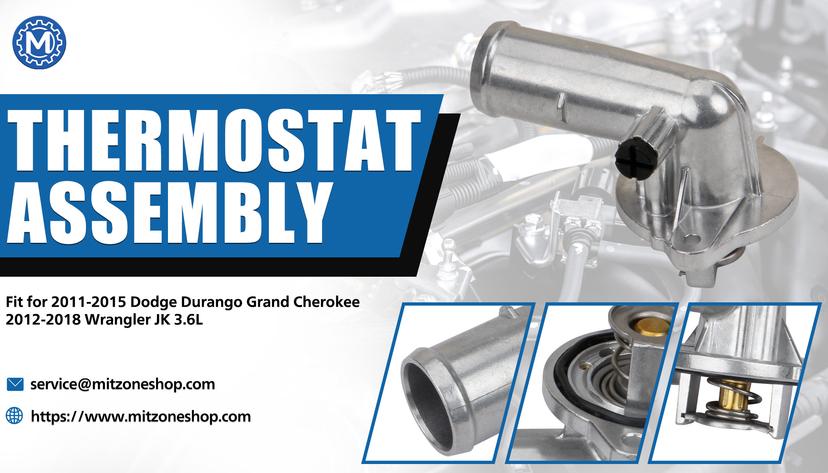
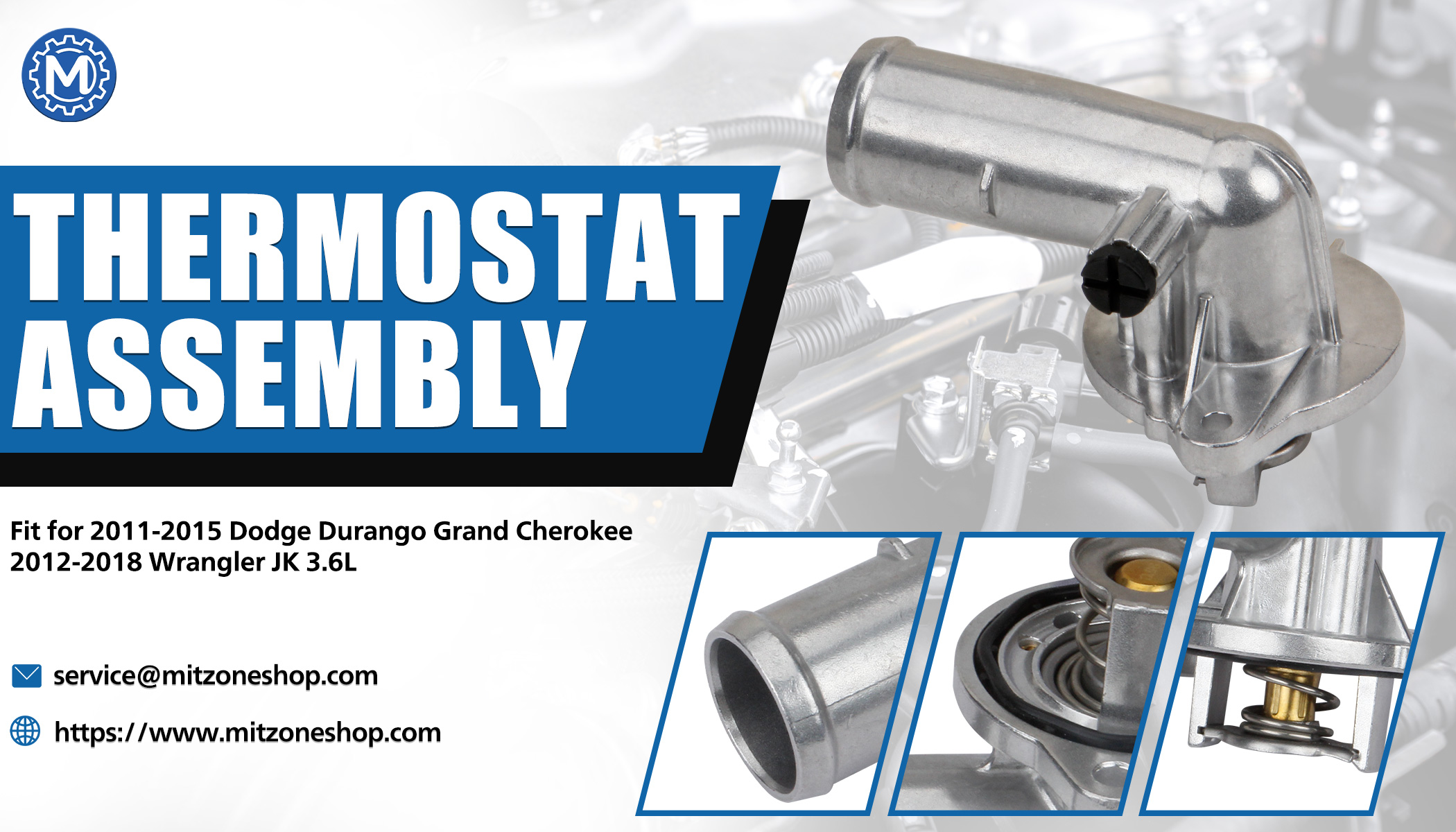
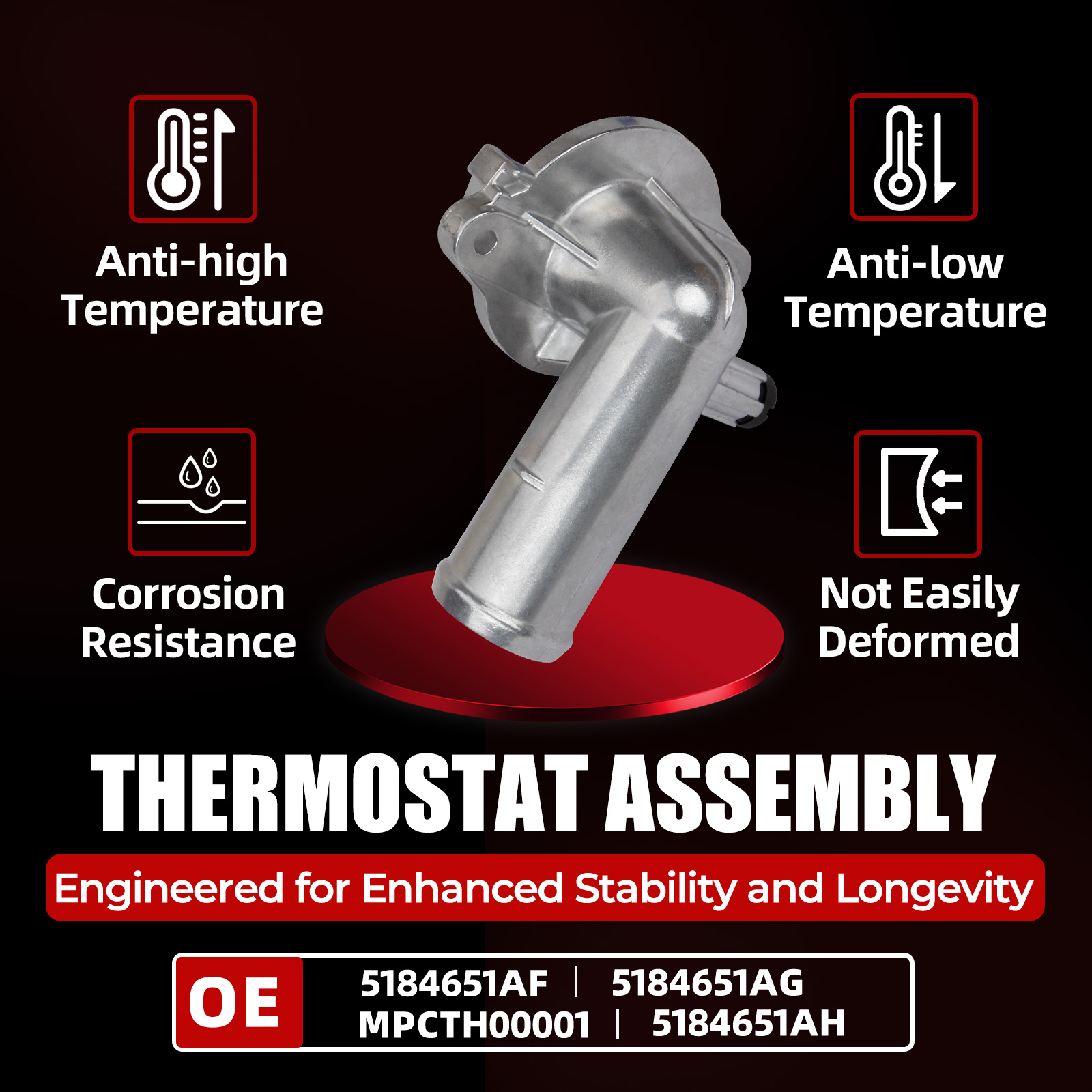
The thermostat housing sits at a busy point in the cooling circuit. It has to seal, withstand thermal cycling, and keep coolant flow controlled as the engine warms up. On the part supplied here, the visible design shows a metallic, likely cast-aluminum housing with a right-angle outlet neck, a mounting flange with bolt holes, and an integrated thermostat element. That is a practical configuration for modern engine packaging, but it also means the part depends on accurate mating surfaces and a sound seal area. If either is off, the repair becomes messy fast.
For repair shops, fleet maintenance teams, and parts resellers, the issue is not only durability. It is compatibility. The supplied fitment notes point to 2011–2015 Dodge Durango, Jeep Grand Cherokee, and 2012–2018 Wrangler JK with the 3.6L engine. That makes this a targeted replacement part rather than a universal one, and that is exactly how thermostat housing sourcing should be approached. Broad claims are rarely useful here.
Quick reference: what to check before you buy
Fitment
Match the vehicle platform, engine family, and reference number. The noted part reference is 5184651AF, with Mitzone branding shown. If the vehicle data does not line up, stop there. Cooling parts are not forgiving of near matches.
Assembly scope
Confirm whether the supplier is offering the housing only or a housing with thermostat assembly included. The images show the thermostat internals, but buyers should still verify what is actually in the box. Gasket or seal inclusion is another point worth checking before ordering.
Material and surface quality
Visible casting quality and clean machined areas matter. A cast aluminum component can be perfectly suitable for this application, but only if the sealing faces are clean and the outlet geometry is consistent. A rough finish near the seal edge is a warning sign.
OEM car parts, direct factory auto parts, and where suppliers differ
In the aftermarket, the labels can get blurry. Some buyers search for OEM car parts, others want direct factory auto parts, and many sourcing teams are really looking for a reliable replacement that meets fit and function without drama. The important distinction is not the marketing phrase; it is whether the supplier can consistently provide the correct geometry, reference the right vehicle application, and maintain the same part identity from order to order.
A thermostat housing outlet supplier should be able to speak clearly about compatibility, reference numbers, and part configuration. If the supplier cannot explain what is included, or avoids discussing the exact application, that is usually a sign to keep looking. The same caution applies to any exportor claims. Export capability is useful, of course, but export paperwork does not replace part verification.
Common sourcing mistakes that create callbacks
The most common error is assuming all thermostat housings for a given engine look alike. They do not. Outlet angle, flange shape, internal thermostat arrangement, and seal location all affect fit. Another easy mistake is assuming the part number alone is enough. Numbers help, but on cooling components, confirming the engine and model-year range is just as important.
Buyers also sometimes overlook the practical side of installation. If the housing arrives with a visible sealing edge that looks damaged, or if the machined face appears inconsistent, the part may still go on the shelf but not into service. For a repair business, that is inventory loss; for a sourcing manager, it is avoidable friction.
Practical advice for repair shops and resellers
If you are stocking this kind of part, treat it as a service item tied to specific vehicle demand rather than a general cooling-system accessory. The 3.6L fitment on Durango, Grand Cherokee, and Wrangler JK platforms gives the part a defined use case: overheating diagnosis, thermostat replacement, coolant leak repair, and scheduled maintenance on compatible vehicles. That is useful because demand can be planned around active fleets, local vehicle mix, or repeat repair patterns.
For resellers, photos and packaging matter more than many buyers admit. Clear visibility of the housing body, outlet neck, and thermostat assembly helps reduce returns. For service teams, a known reference like 5184651AF is valuable only if the physical part matches the repair bay expectation. A small mismatch in a coolant outlet can cost a lot more time than the part itself.
FAQ: common buyer questions
Is this only for one vehicle?
No. Based on the supplied notes, it is listed for multiple Jeep and Dodge applications with the 3.6L engine. Always confirm fitment by VIN or verified catalog data before ordering.
Does the thermostat housing include the thermostat?
The images show the thermostat assembly installed in the housing. Still, buyers should confirm exactly what is included in the sale, since packaging can vary by supplier or listing.
What should I ask a supplier before placing a bulk order?
Ask for the part reference, vehicle fitment list, what comes in the package, and whether the housing is supplied as a complete assembly. Those four checks eliminate a surprising number of mistakes.
Next step
If you are comparing a thermostat housing outlet supplier for replacement inventory or repair supply, start with fitment, then move to assembly scope and visible build quality. That order saves time. A cooling part that looks close is still not the right part if the flange, outlet, or thermostat arrangement does not match the vehicle. For sourcing teams, the safest path is to verify the reference number, confirm the application, and request clear product details before the first shipment.