

Why valve cover sourcing gets tricky on modern BMW engines
If you are looking for a valve cover supplier, the part sounds simple until you start comparing fitment, sealing design, and what is actually included in the box. On a modern BMW inline-6, the valve cover is not just a lid. It is part of the engine’s oil control, crankcase ventilation, and long-term leak prevention strategy. When the cover cracks, warps, or starts to seep oil, the repair can quickly turn into a larger maintenance job.
That is why buyers in aftermarket repair, wholesale distribution, and service-kits sourcing need more than a part number. They need to know whether the supplier can match the geometry, the sealing interface, and the application list without creating a comebacks problem later. For OEM car parts programs and direct factory auto parts sourcing, this is one of those components where “close enough” is usually not close enough.
What this valve cover does in the real world
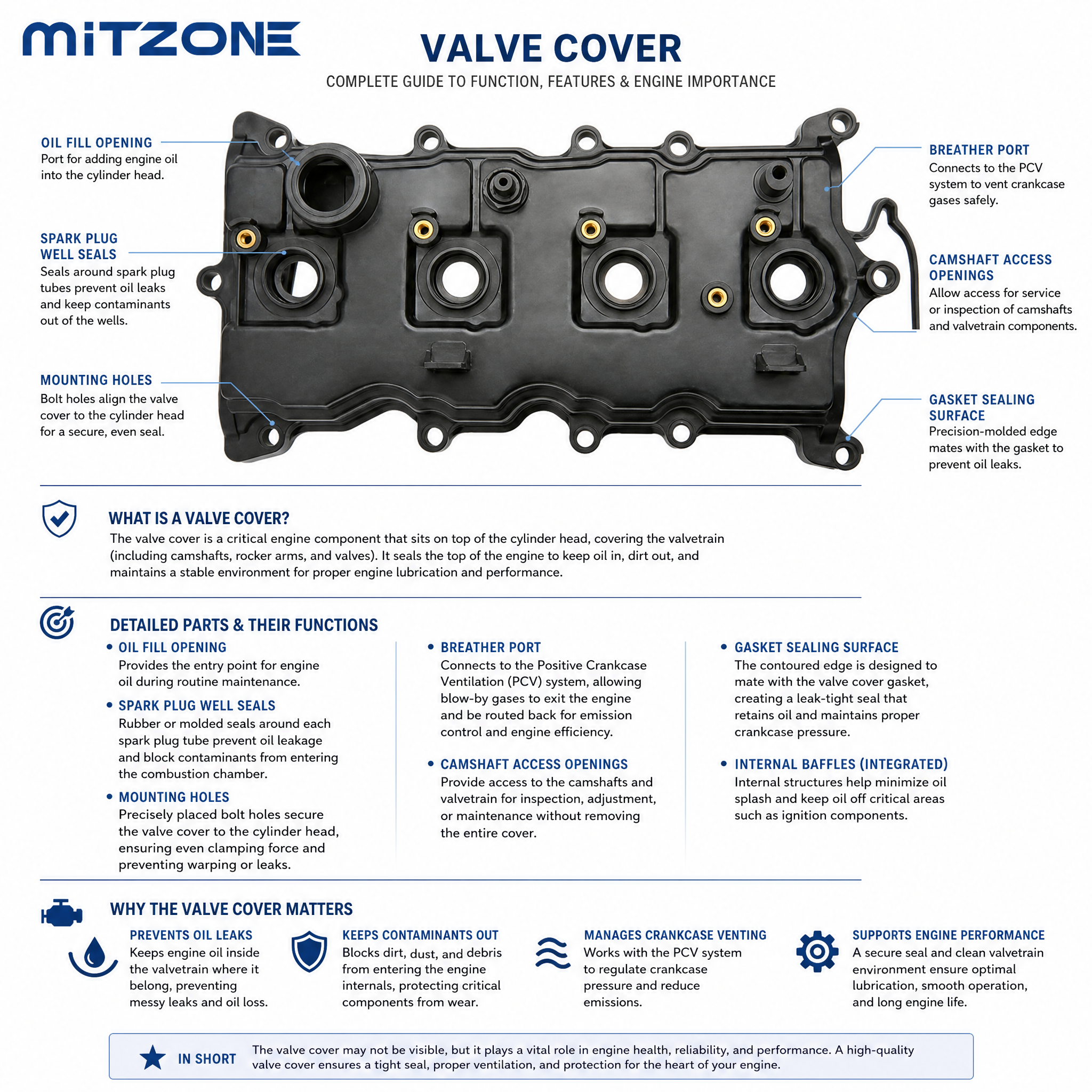
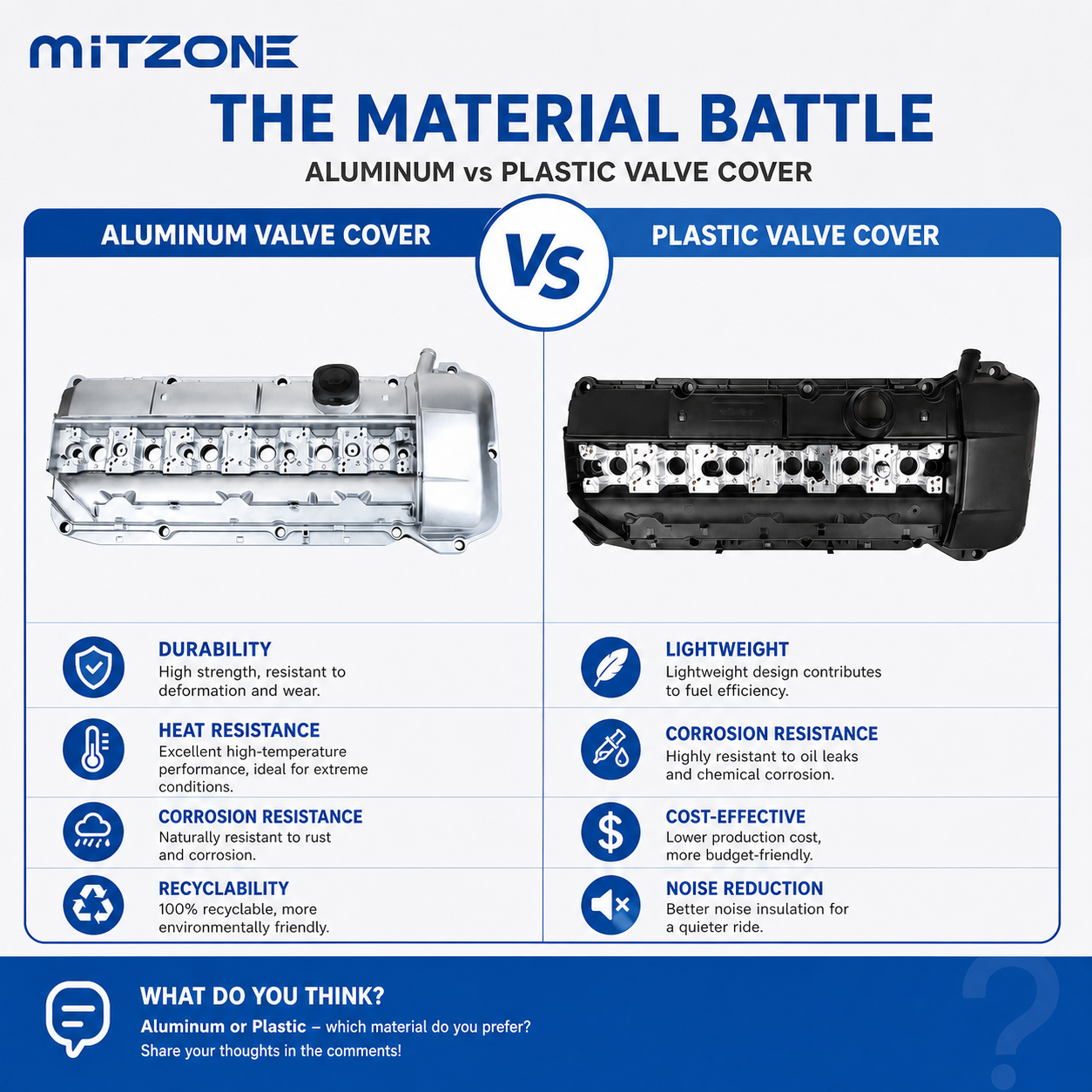
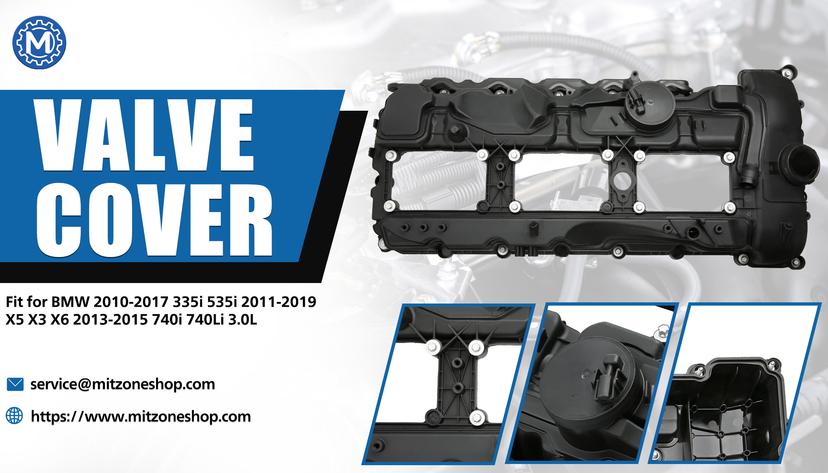
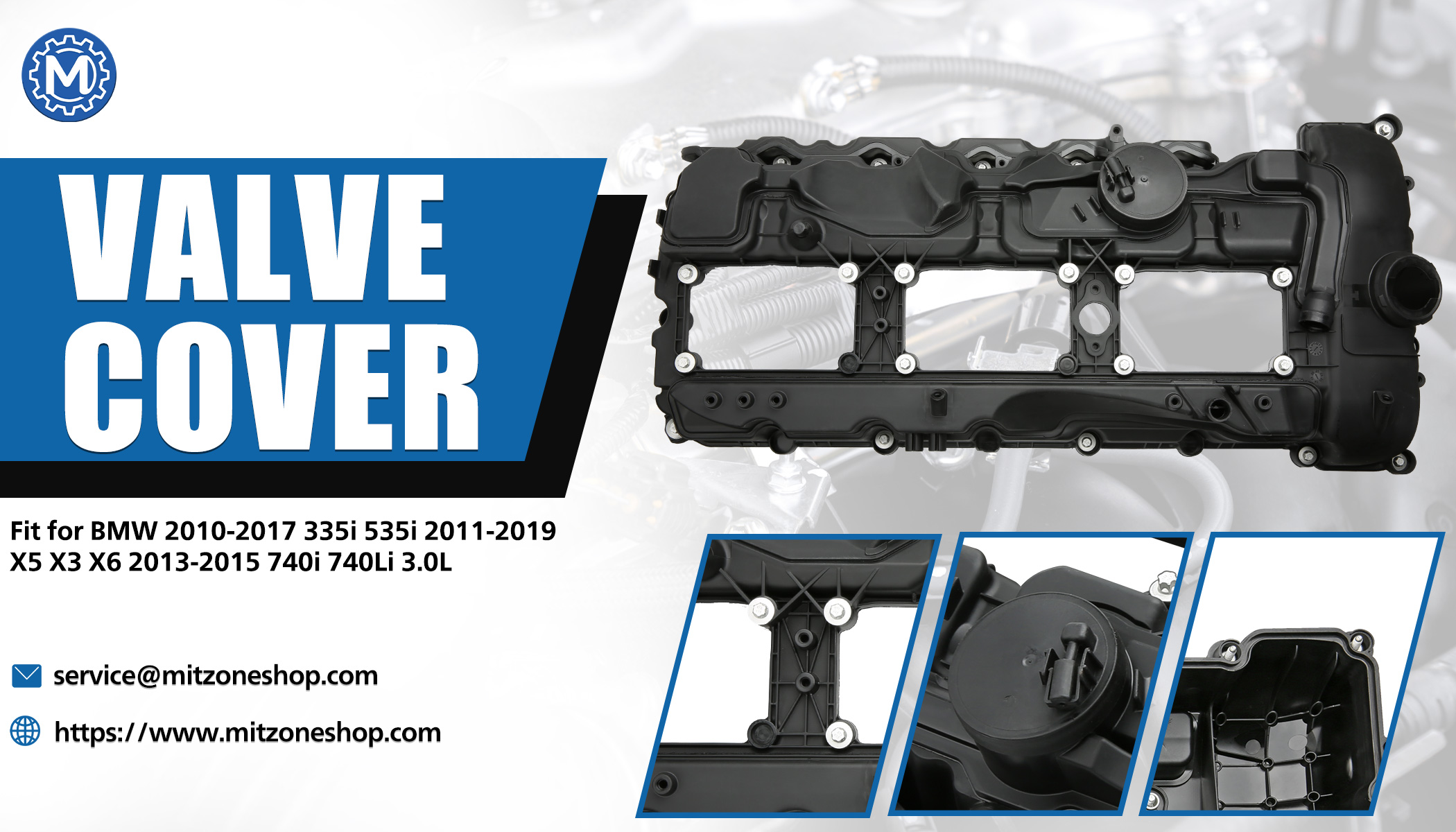
The valve cover sits on top of the cylinder head and seals the valvetrain area. On the unit shown in the supplied product information, the cover is a black molded plastic housing with ribbed reinforcement, multiple mounting points, and a perimeter gasket interface. It also appears to integrate an oil separator or PCV-related module, which is common on many late-model engine covers. In practical terms, that means the part is doing several jobs at once: sealing oil, routing crankcase vapors, and helping keep the engine bay clean.
That multi-function design matters for sourcing. If the cover warps, if the integrated venting path degrades, or if the sealing surface is not consistent, the engine may develop leaks, rough idle symptoms, or repeated gasket failure. Buyers who only think of the valve cover as a plastic shell often miss the real risk: the function is structural and fluid-handling, not cosmetic.
Key fitment points from the supplied application data
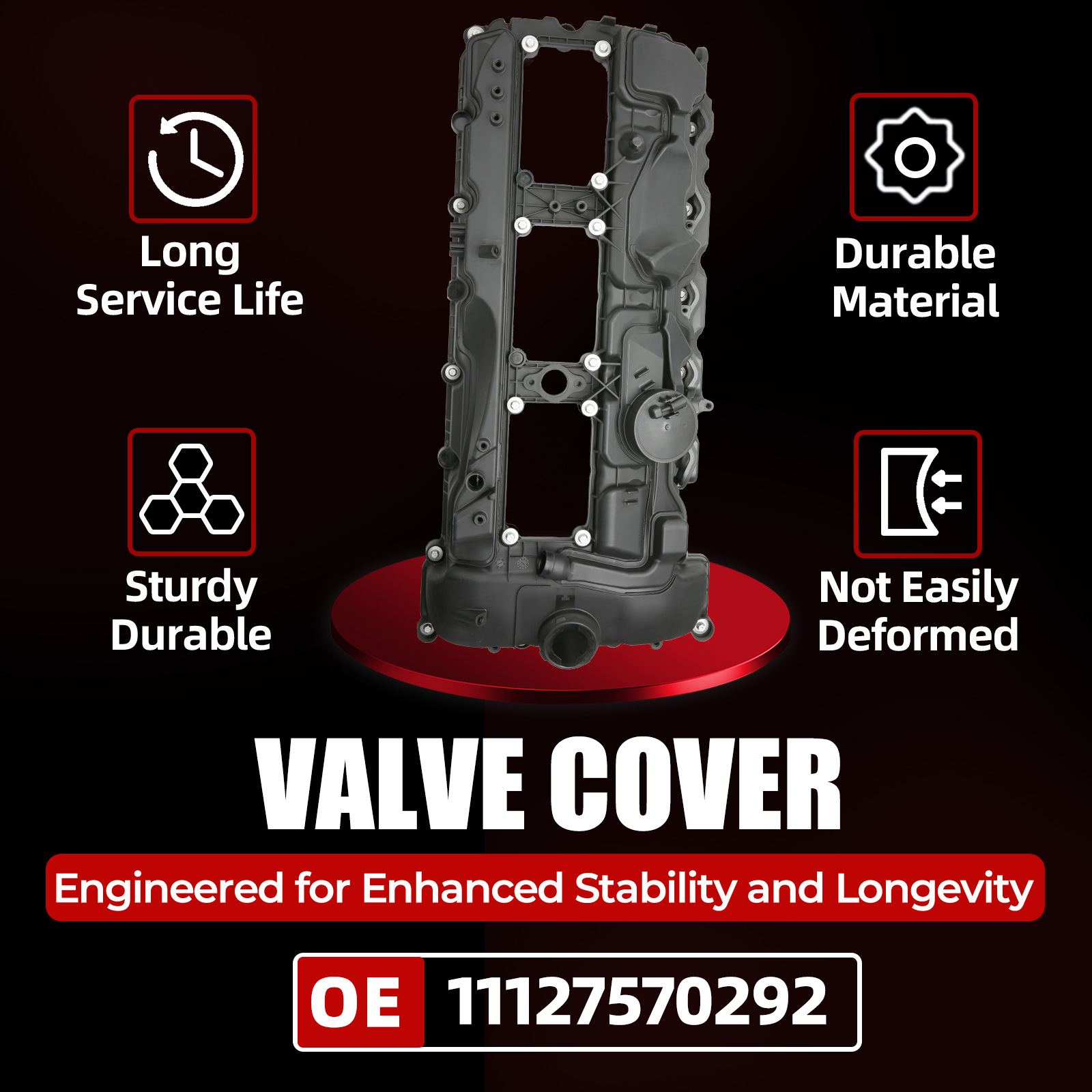
The verifiable fitment shown includes BMW 2010–2017 335i/535i, 2011–2019 X5/X3/X6, and 2013–2015 740i/740Li 3.0L, with part number 11127570292. The geometry described fits an inline-6 engine layout, which usually means a long rectangular cover with recessed sections rather than a compact V-engine shape.
For a buyer, this kind of application spread is useful, but it also calls for discipline. BMW platform overlap can be broad, while engine family details can still differ. A supplier should be able to confirm cross-reference fitment clearly, and not rely on a vague “fits many models” claim. That is especially true for exportor channels, where parts may be moving across markets with different naming conventions and trim variations.
What to evaluate before choosing a supplier
1. Sealing design and reinforcement
Look for molded reinforcement ribs, clean bolt-mounting points, and a perimeter interface that appears engineered for repeatable compression. A flimsy cover can work for a short time and still fail early in service.
2. Integrated components
This design appears to include a circular cap-like module and hose/port connections, likely tied to crankcase ventilation. Ask whether those elements are molded in, assembled, or serviceable. If that information is unclear, treat it cautiously. It affects both installation and long-term maintenance.
3. Part-number traceability
In aftermarket BMW work, part number accuracy is not a nice-to-have. The supplied number, 11127570292, should be the starting point for verification, not the end of it.
4. Replacement completeness
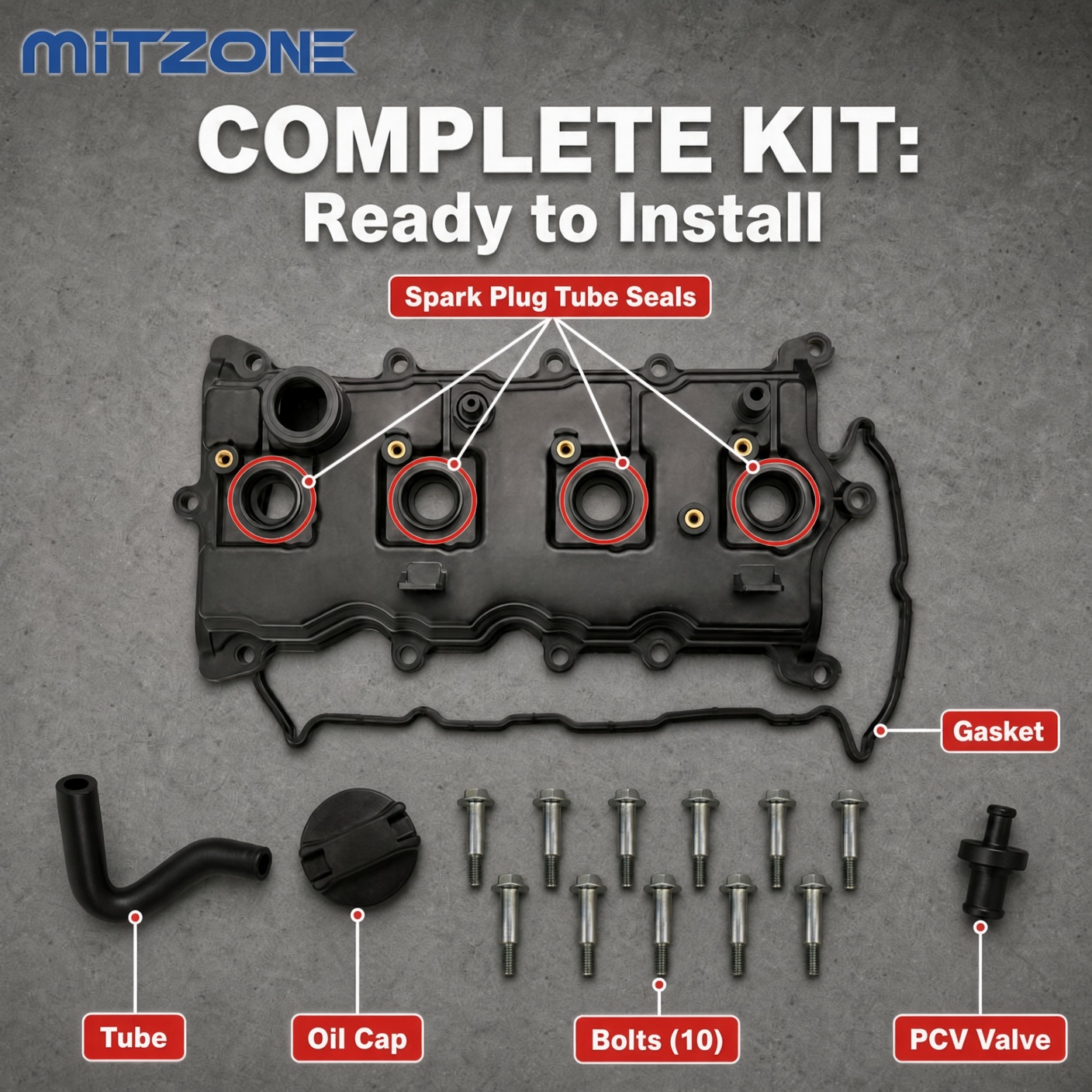
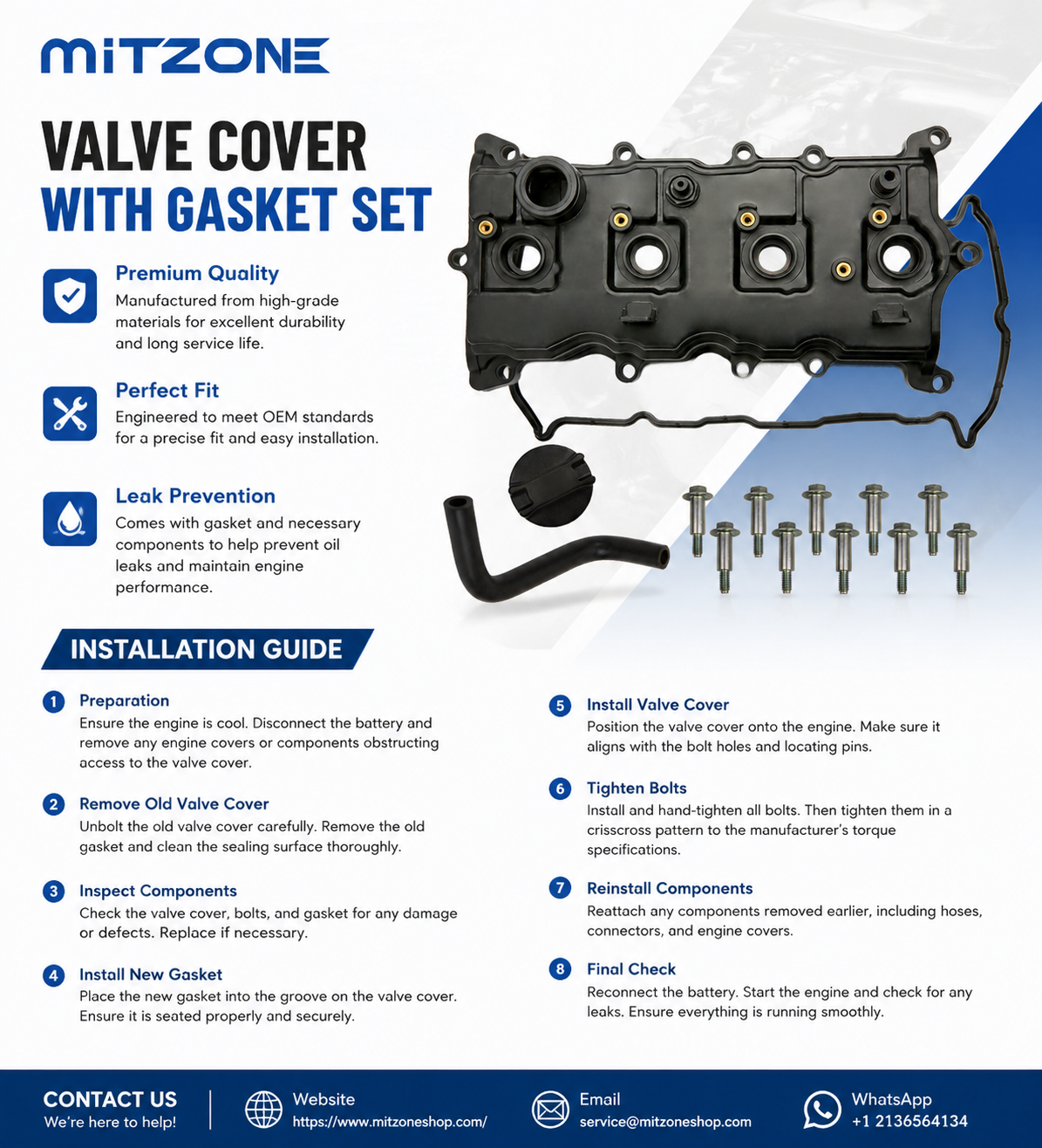
The data provided does not confirm whether a gasket or bolts are included. Do not assume they are. That small omission can delay installation and create extra cost on the service counter.
Common buying mistakes with valve cover sourcing
The first mistake is treating all plastic valve covers as interchangeable. They are not. The second is ignoring the integrated ventilation structure. A buyer may get the outer shell right and still end up with an assembly that does not seal properly or does not match the hose routing. The third mistake is over-trusting catalog photos without checking the actual application list and mounting layout.
There is also a supply-chain mistake that shows up often in direct factory auto parts sourcing: choosing the lowest-cost option and discovering that installation time, warranty exposure, and return handling wipe out the savings. For repair shops and distributors, the hidden cost of a poor-fitting cover can be higher than the part price itself. That is not dramatic; it is just how labor-intensive engine repairs work.
Practical advice for distributors and repair buyers
If you are building a replacement catalog or buying for workshop use, ask for fitment documentation, clear part-number mapping, and product photos that show port placement and mounting geometry. When possible, compare the old cover to the replacement before installation. Pay special attention to the gasket land, breather connections, and any sealed subcomponents.
For buyers serving BMW maintenance customers, consistency matters as much as availability. A valve cover that installs cleanly and matches the engine layout reduces comebacks and protects your service reputation.
FAQ: quick questions buyers usually ask
Is this a repair-friendly part?
Yes, in the sense that it is a common replacement item on aging engines. But it is not a casual swap. The integrated sealing and ventilation functions make proper fitment important.
Can I order it based only on model name?
Better not. Use the part number and verified fitment data together.
What should I confirm with the supplier first?
Confirm application, included components, and whether the cover is complete for installation or requires separate gasket and hardware.
Next step for sourcing teams
If you are comparing suppliers for this BMW valve cover application, ask for part-number confirmation, fitment coverage, and product structure details before you place volume orders. A good valve cover supplier should be able to answer those questions without hedging. That is often the fastest way to separate a serious automotive parts source from a generic listing.