

What an intake manifold supplier really has to get right
If you are sourcing an intake manifold supplier for replacement or aftermarket engine parts, the first question is rarely about price. It is usually about fit, sealing, and repeatability. A manifold can look straightforward from the outside, especially when it is a black molded plastic housing with a few ports and bolt points, but the part sits at a sensitive point in the air path. A small mismatch in geometry or gasket interface can turn into a return, a warranty claim, or a vehicle that simply does not run as expected.
That matters even more for buyers handling OEM car parts, utility vehicle spares, or off-road replacement stock. The part has to match the engine family, the mounting pattern, and the surrounding intake hardware. In short, the decision is not just “does it look right?” but “will it install cleanly and hold up in service?”
What the part does, and why the housing design matters
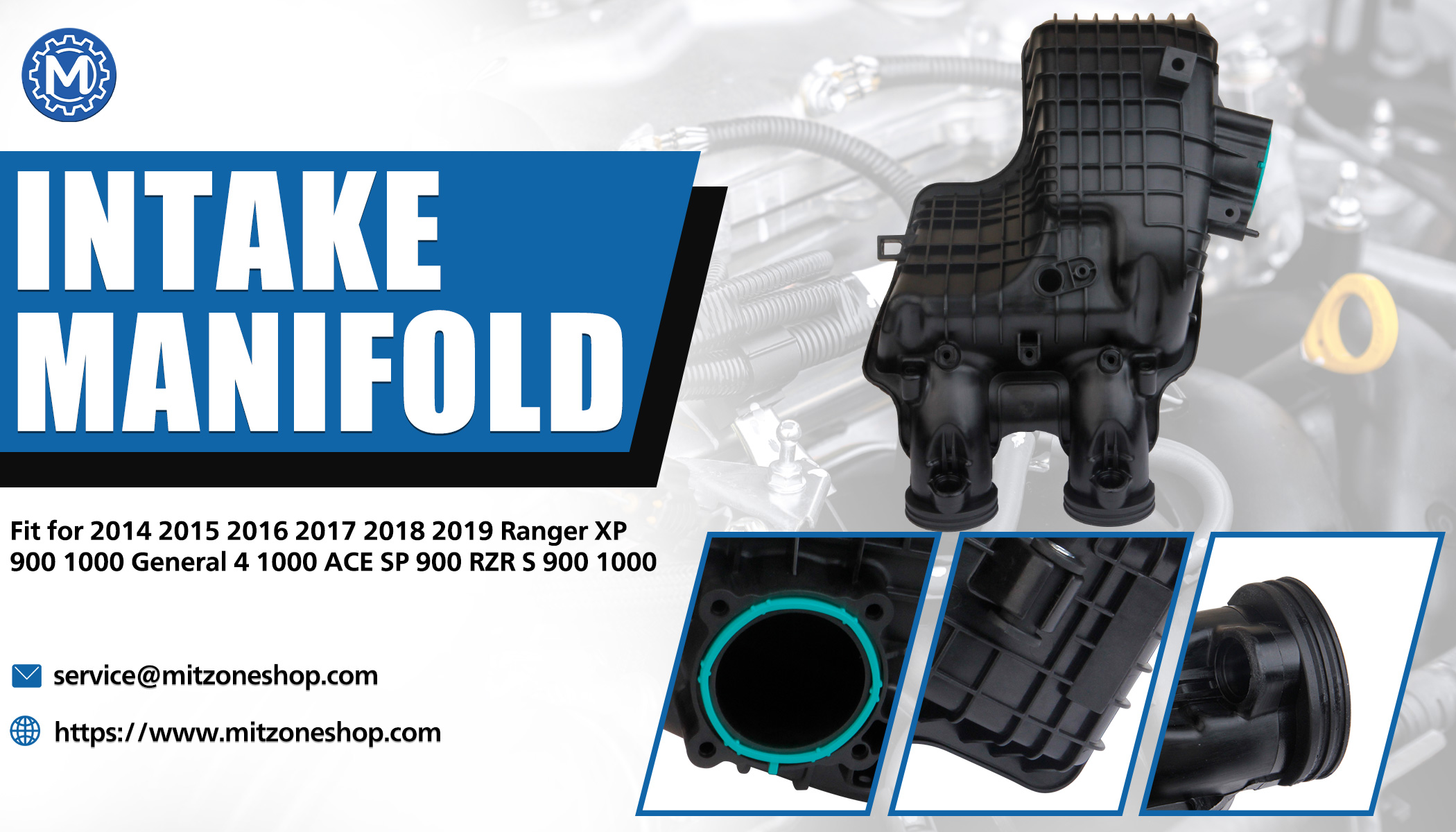
An automotive intake manifold routes intake air from the throttle body or inlet into the engine cylinders. On the UTV-style intake manifold described here, the visible construction suggests a compact one-piece assembly with formed channels, rib reinforcement, and multiple sealed openings. That is a common approach in molded plastic intake components because it keeps weight down and allows more complex internal shapes than a simple metal casting.
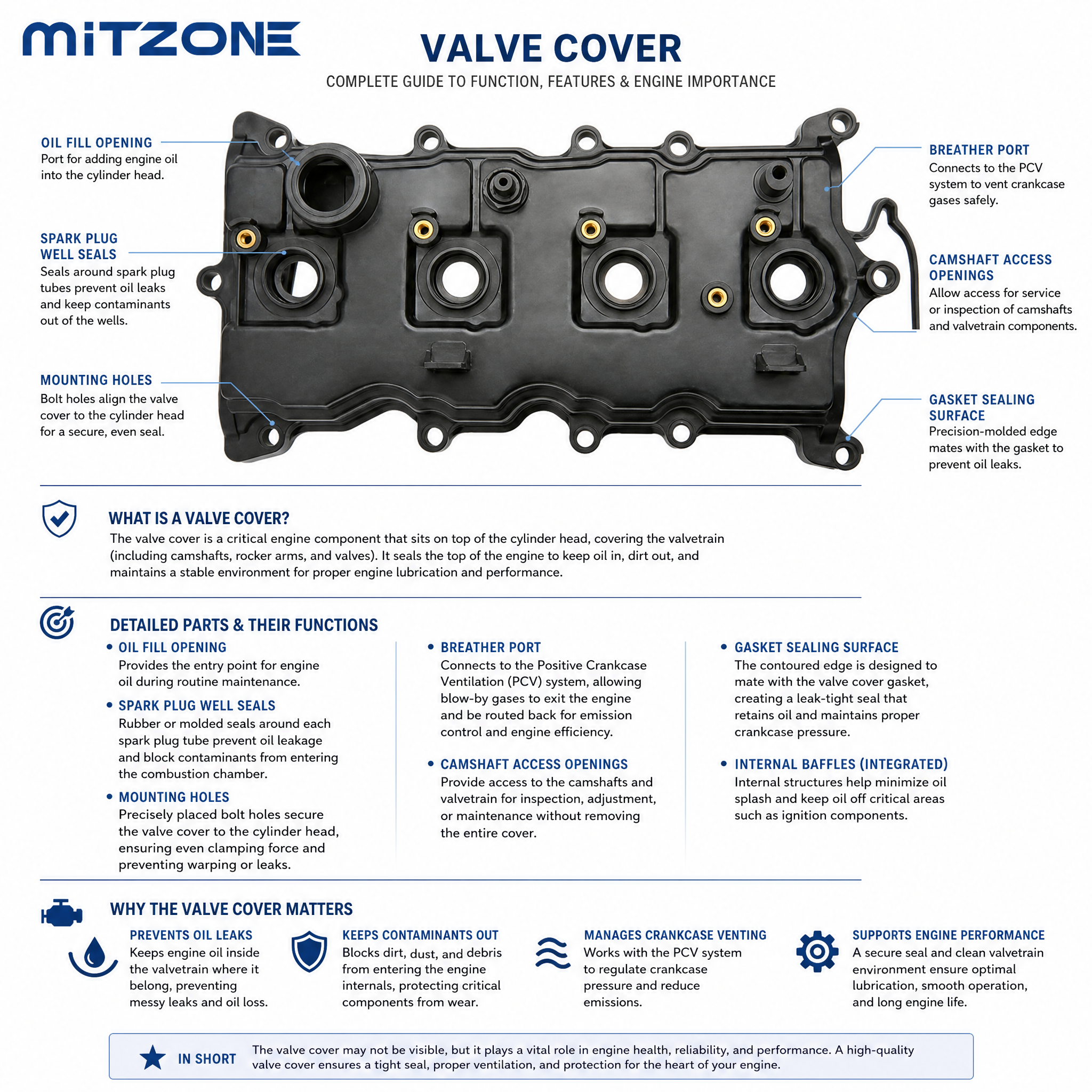
The exterior details tell you a lot about the part class, even before you know the exact resin. Ribbing usually supports stiffness. Flange faces and gasket lands suggest the sealing surfaces are part of the critical design. Ports and connector protrusions point to the need for proper routing of sensors, vacuum lines, or related air-handling features. None of that is exotic, but it is exactly where buyers get burned if they treat manifold sourcing like a generic plastic part purchase.
Quick reference: what buyers should compare
For this kind of part, a fast comparison usually comes down to four checks:
- Vehicle fitment and engine family
- Mounting pattern and seal interface
- Port layout and connector positions
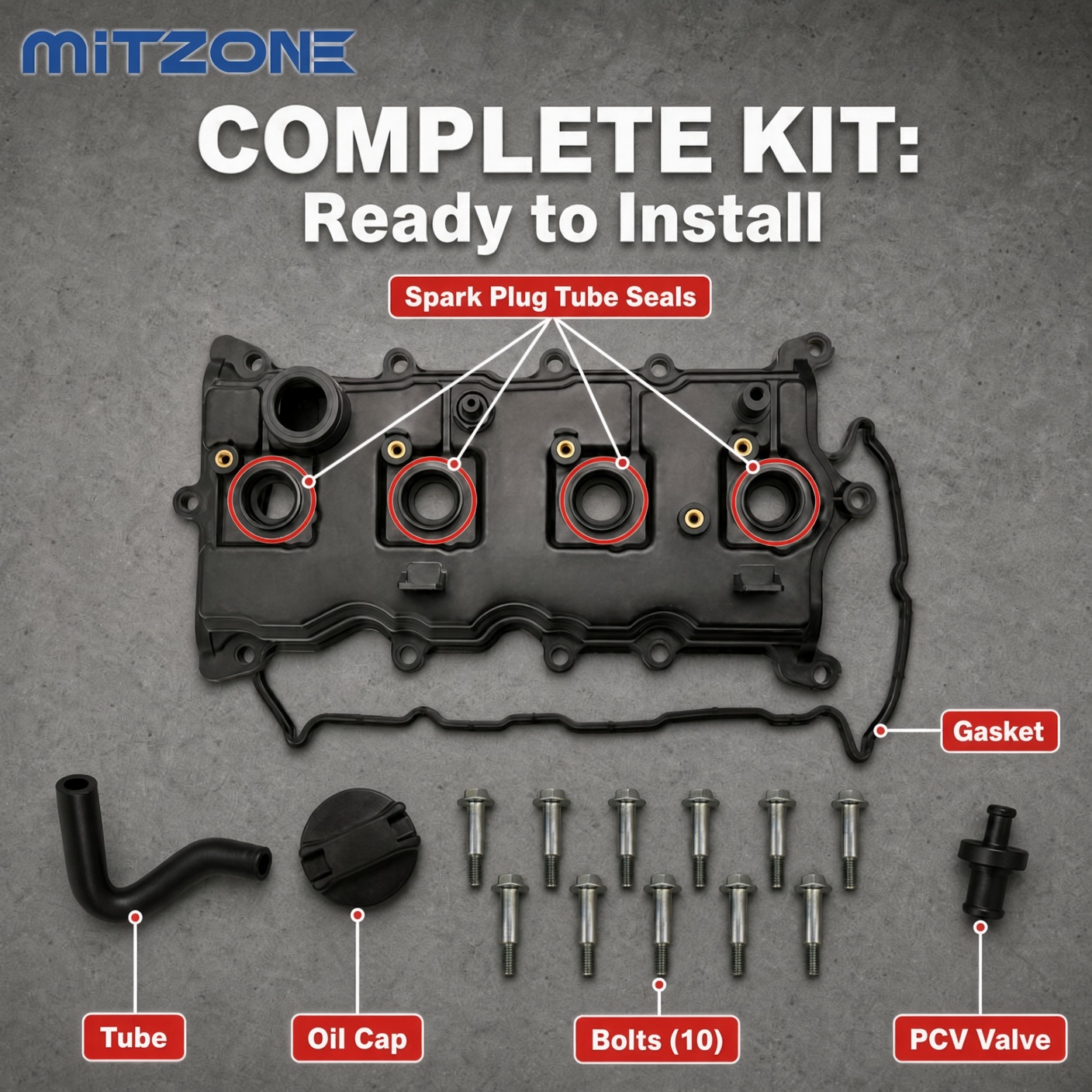
- Whether the part is sold as a bare manifold or includes gaskets and hardware
That last point is easy to overlook. The notes for this part do not confirm whether additional gaskets or fasteners are included, so a sourcing team should not assume a complete install kit unless the supplier states it clearly.
What is known about this specific manifold
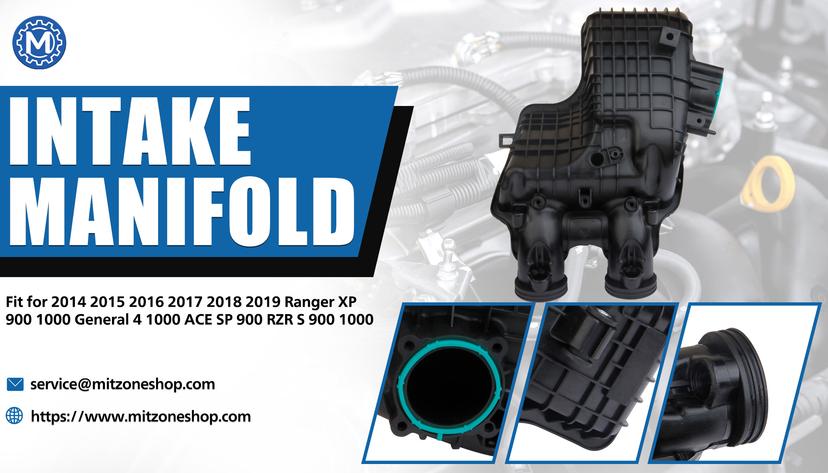
The part is identified as “Intake Manifold Mitzone 2207917”, with fitment text shown for 2014–2019 Ranger XP 900/1000, General 4 1000, ACE SP 900, and RZR S 900/1000. That makes it a practical replacement candidate for compatible off-road and utility vehicles, especially where the buyer needs a direct-fit repair part rather than a redesign.
The visible part is a black molded plastic intake manifold with a matte to semi-gloss finish, a ribbed outer shell, circular inlet/outlet openings, and a gasket interface area where a turquoise seal ring is visible in one inset. Those details support the conclusion that this is an injection-molded automotive plastic intake manifold, though the exact resin grade is not provided and should not be guessed.
How to evaluate a supplier, not just a part
A good supplier should be able to answer basic fitment questions without hand-waving. For intake manifold sourcing, that usually means part number traceability, application coverage, and clarity on whether the part is intended as an aftermarket replacement or a direct substitute. Buyers sometimes search for an exportor or “direct factory auto parts” source and focus only on the label. That can be a mistake. The more useful question is whether the supplier can support consistent geometry, clean sealing faces, and packaging that protects the mounting surfaces in transit.
For replacement programs, consistency matters more than a flashy catalog. A manifold with the wrong outlet angle or an off-center boss can create assembly trouble even if the dimensions appear close on paper. In this category, “close enough” is usually not close enough.
Common sourcing mistakes
One common error is treating all intake manifolds for the same vehicle family as interchangeable. They are not always the same across years, trims, or engine variants. Another is ignoring the gasket interface because the outside shape looks familiar. A third is assuming a part sold as an aftermarket item automatically includes every related component needed for installation.
There is also a practical warning for inventory teams: molded plastic parts can be sturdy in service, but the flange edges and sealing faces are still vulnerable in shipping if they are packed loosely. If you are buying in volume, ask how the supplier protects those areas.
Practical advice for buyers of direct replacement parts
If your use case is maintenance, repair, or aftermarket fitment, start with the vehicle application and the exact part number, then confirm the visible architecture against the original. Photos of the inlet positions, mounting bosses, and gasket lands are worth more than broad catalog claims. For direct factory auto parts programs, ask for application documentation and packaging details before you place a larger order.
For teams comparing multiple sources, the best intake manifold supplier is usually the one that can show stable fitment, clear identification, and straightforward communication. That sounds plain, but plain is good when a part sits between the air intake and the engine.
FAQ
Is this a metal or plastic intake manifold?
Based on the visible black molded construction, it appears to be an injection-molded plastic intake manifold. The exact material grade is not stated.
Does the fitment list guarantee compatibility?
It is a strong starting point, but buyers should still confirm engine variant, year range, and mounting details against the target vehicle.
Should I expect hardware or gaskets to be included?
Not necessarily. The available notes do not confirm that additional gaskets or hardware are included, so verify before purchase.
Next step for sourcing teams
If you are building a replacement-parts program or checking an aftermarket option for a compatible UTV application, request the supplier’s fitment confirmation, package contents, and part identification details first. That small step saves time later, especially when the part is going into a repair job where downtime is the real cost.