

Why a valve cover supplier matters more than many buyers expect
Choosing a valve cover supplier is not just a sourcing exercise. For engine repair shops, parts distributors, and OEM car parts buyers, the valve cover sits at the point where sealing, emissions-related ventilation, and serviceability all meet. If the cover does not fit cleanly, does not seal properly, or arrives with questionable finish quality, the problem shows up quickly as oil leaks, crankcase pressure issues, or repeated comebacks. In other words, this is one of those parts that looks simple on paper and becomes expensive when it is wrong.
That is especially true for engine valve cover assembly replacements on vehicles where the cover also supports breather or PCV-related fittings. The part has to match the cylinder head profile, bolt pattern, gasket surface, and connector layout. Buyers comparing direct factory auto parts, aftermarket replacements, or an exportor arrangement need a clear picture of what is being supplied and how close it is to the original design intent.
What this type of valve cover is used for
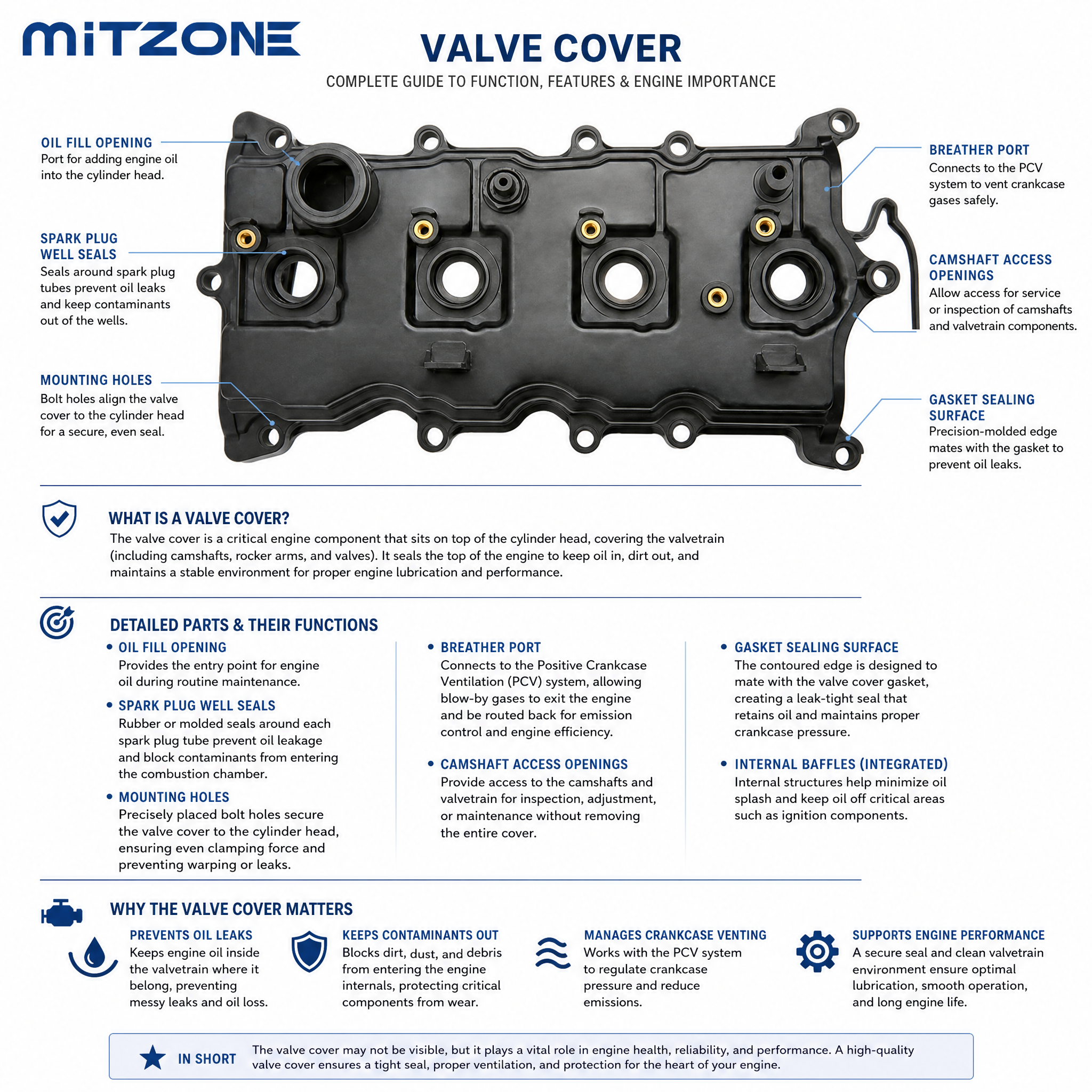
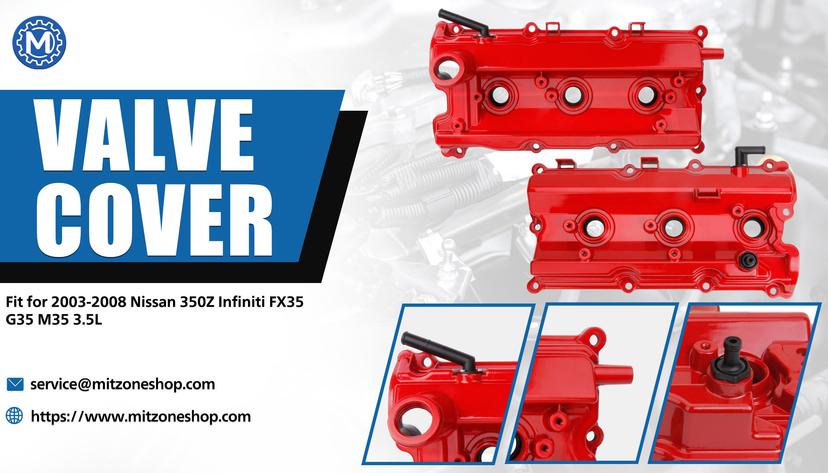
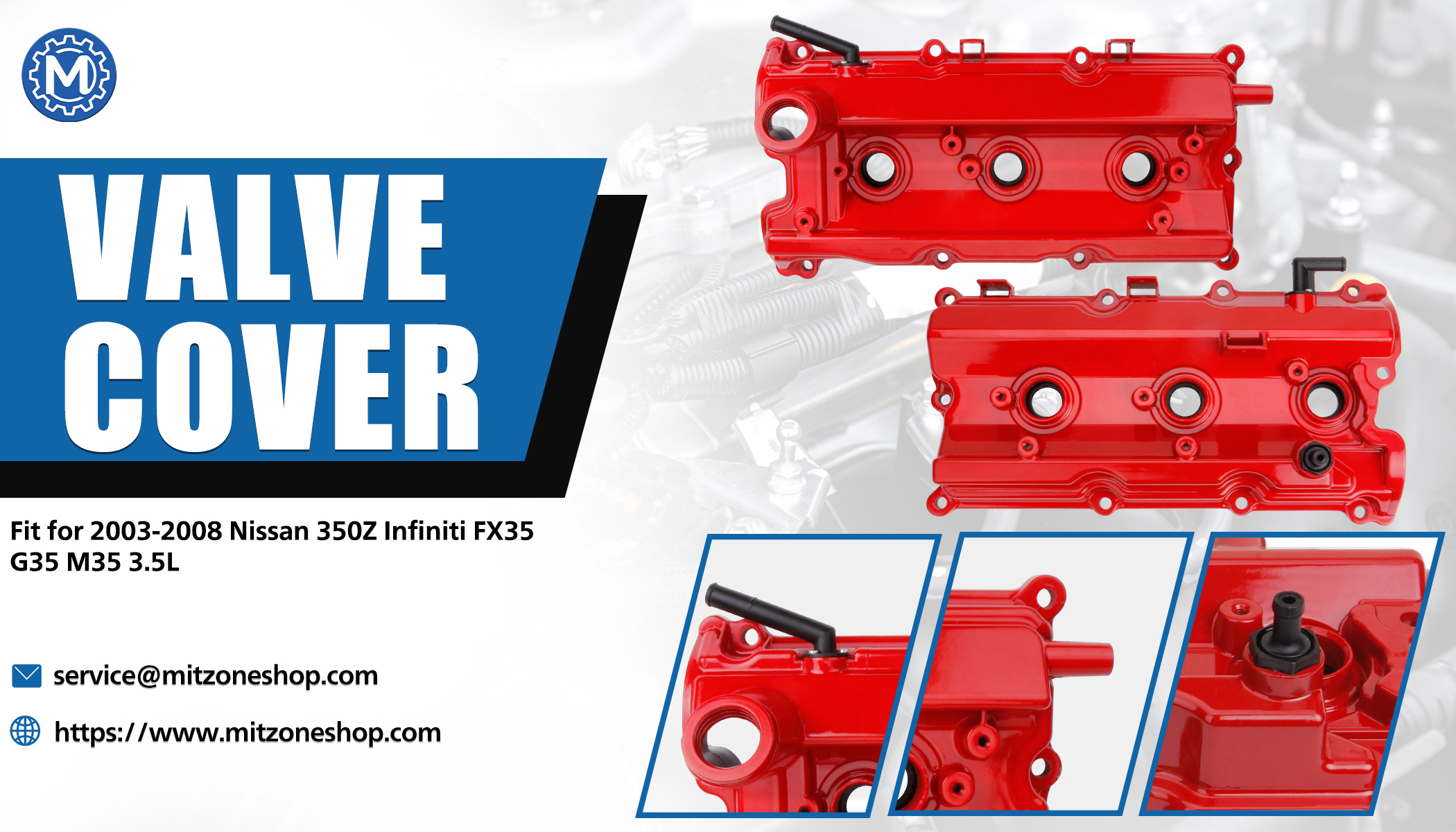
The product category here is an automotive valve cover, also called an engine valve cover assembly. Its basic job is to cover the top of the cylinder head and help seal the valvetrain area. On the unit described in the source data, the cover appears to have a long rectangular shape with rounded corners, multiple perimeter bolt mounts, circular openings, raised ribs, and protruding hose or connector stubs. Those details suggest integrated ports for PCV or breather connections, which is common on modern engines.
The visible finish is bright red with a smooth glossy appearance. The exact material is not stated, so it is safer to treat it as a coated or painted part rather than assume a specific base metal or polymer. For buyers, the practical issue is not just appearance. A consistent coating can help with corrosion resistance and visual uniformity, but only if the underlying geometry and sealing surfaces are controlled properly.
Fitment is the first filter, not the last
According to the supplied notes, this valve cover fits 2003–2008 Nissan 350Z, Infiniti FX35, G35, and M35 with the 3.5L engine. That is useful, but experienced buyers know fitment is only the starting point. A part may be listed against a vehicle family and still differ in details that matter during installation, such as vent stub orientation, gasket groove design, or whether mounting hardware is included. Those are not small differences when a shop is trying to turn a bay quickly.
The reference numbers noted in the data include Mitzone reference 13264AM600-13264AM610. That should help with cross-checking, but it should not replace a proper parts review. If you are buying for inventory, ask for clear product photos of all sides, connector points, and gasket face areas before placing volume orders.
What sourcing teams should check before placing an order
1. Sealing surfaces and perimeter geometry
The most common sourcing mistake is assuming that “looks close enough” means installable. The valve cover must match the cylinder head sealing line, bolt spacing, and any local recesses or bosses. Even small variation can create oil seepage or uneven clamp load.
2. Fittings and vent connections
Because this cover includes visible hose or connector stubs, buyers should confirm the direction, diameter, and number of openings. A mismatch here can turn into an awkward field fix or an inventory return. For OEM car parts programs, those details often matter as much as the outer profile.
3. Coating quality
A glossy painted surface can be attractive, but coating consistency around bosses, edges, and bolt areas is worth inspecting. Thin spots, overspray, or poor edge coverage are often the first signs of a rushed production process.
4. Included components
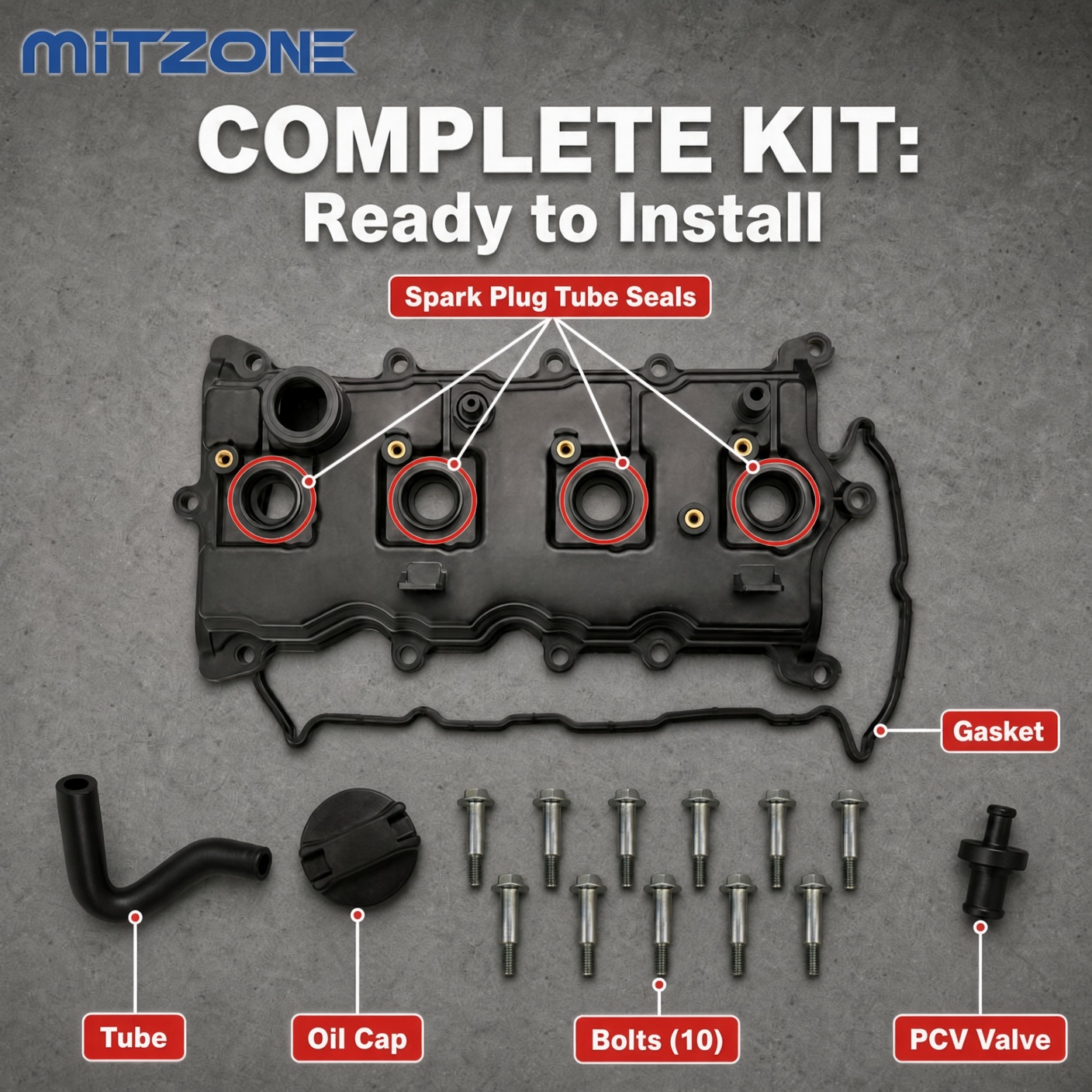
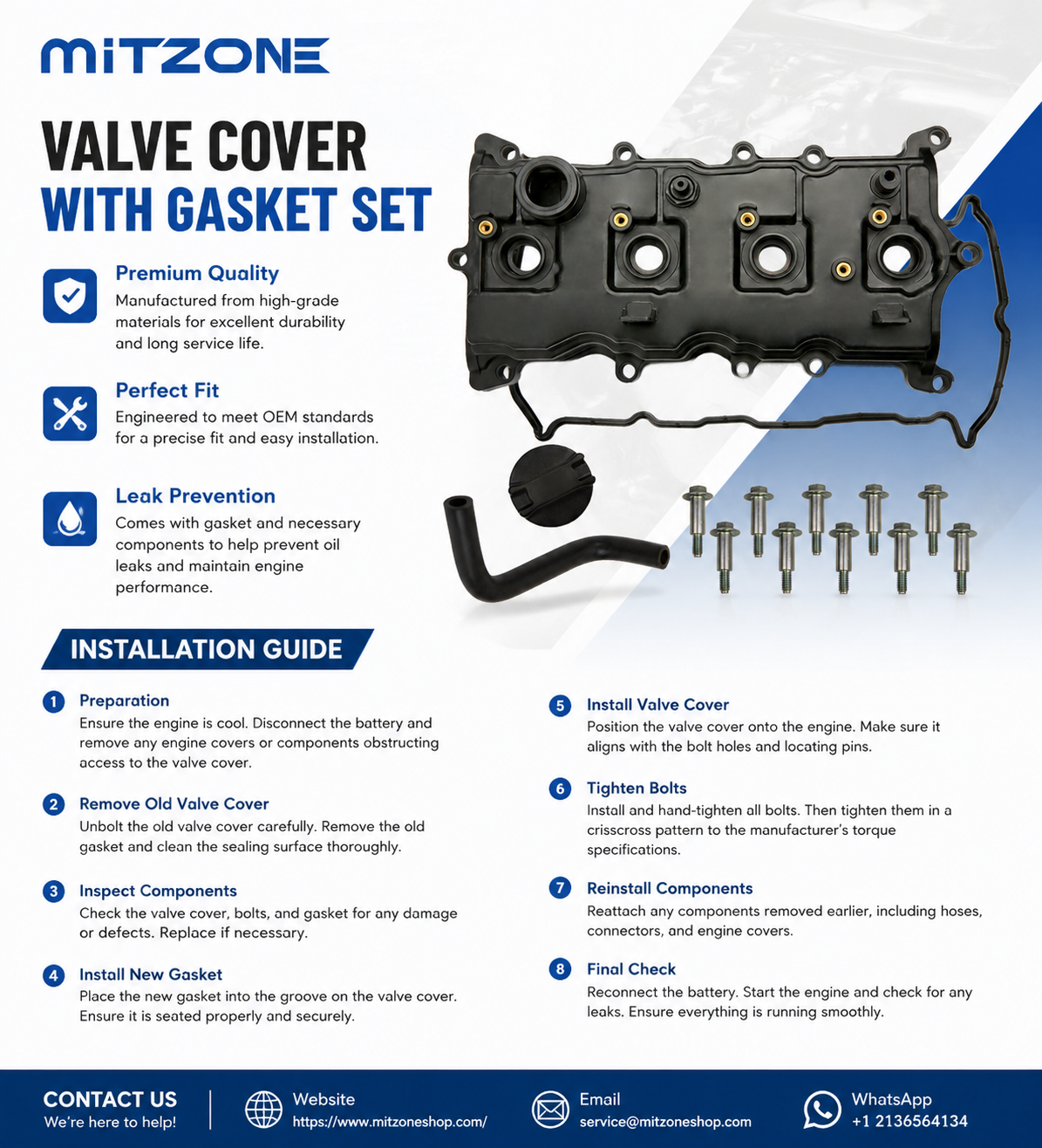
The data does not confirm whether the gasket, seals, bolts, or internal baffling are included. Buyers should not assume they are. That matters for total landed cost and for kitting strategy in repair channels.
How to compare suppliers in a practical way
When evaluating a valve cover supplier, ask the questions that affect installation risk rather than the ones that only sound technical. Can the supplier show consistent fitment across the listed Nissan and Infiniti applications? Are product photos of the exact part available? Is the part positioned as a replacement automotive engine part, or is it being sold as an OEM-style equivalent? Those distinctions help separate a reliable source from a broad catalog exporter with thin product control.
For sourcing managers, direct factory auto parts can be attractive because they may simplify communication and reduce layers in the chain. Still, direct sourcing only helps if the factory can maintain repeatable geometry and stable surface finish. A lower purchase price is not a bargain if returns and labor time erase the savings.
Common buyer mistakes
One frequent mistake is ordering by vehicle name alone. Another is assuming all 3.5L applications share the same cover details without checking port layout. A third is forgetting that the visible part may be only one piece of the repair package; even when a cover is correct, the job may still depend on seals or related hardware that are sold separately. That is a small nuisance in procurement and a larger issue in the workshop.
A sensible next step
If you are sourcing this kind of engine valve cover assembly, build your approval process around fitment confirmation, sealing geometry, connector detail, and finish quality. For repair channels and distributors serving 2003–2008 Nissan 350Z, Infiniti FX35, G35, and M35 3.5L vehicles, a careful sample review will save more time than a rushed price comparison. If you need help screening a valve cover supplier for OEM car parts programs, start with the exact vehicle list, clear side-by-side images, and a written confirmation of what is and is not included in the box.