
Why buyers search for an intake manifold supplier in the first place
When a truck is down for intake-system repair, the search usually starts with one practical question: who can supply the right part without turning a routine job into a second round of troubleshooting? For buyers looking for an intake manifold supplier, the issue is rarely academic. It is about fitment, assembly completeness, and whether the part will actually drop into the engine bay with the right ports, seals, and mounting points in place.
That matters even more on heavy-duty pickups, where downtime is expensive and the engine bay often leaves little room for improvisation. A manifold that looks similar on paper can still differ in runner shape, hose connections, sensor bosses, or hardware layout. For sourcing managers and repair teams, the decision is not just “can this be ordered?” but “will this component solve the job the first time?”
What this manifold assembly is designed to do
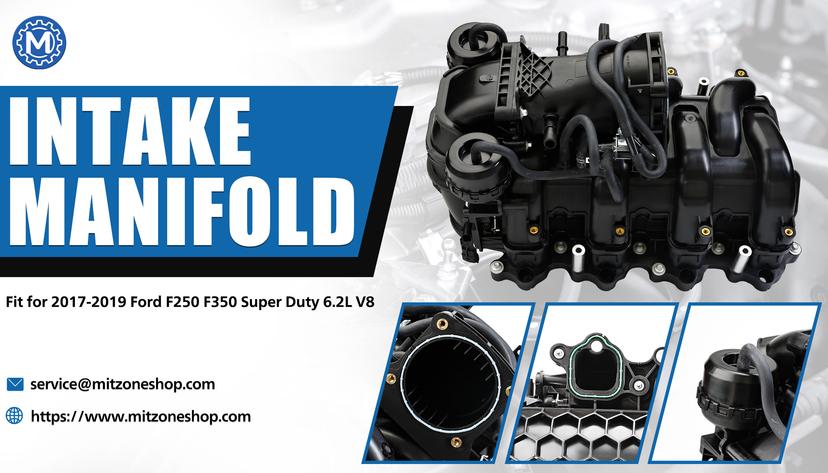
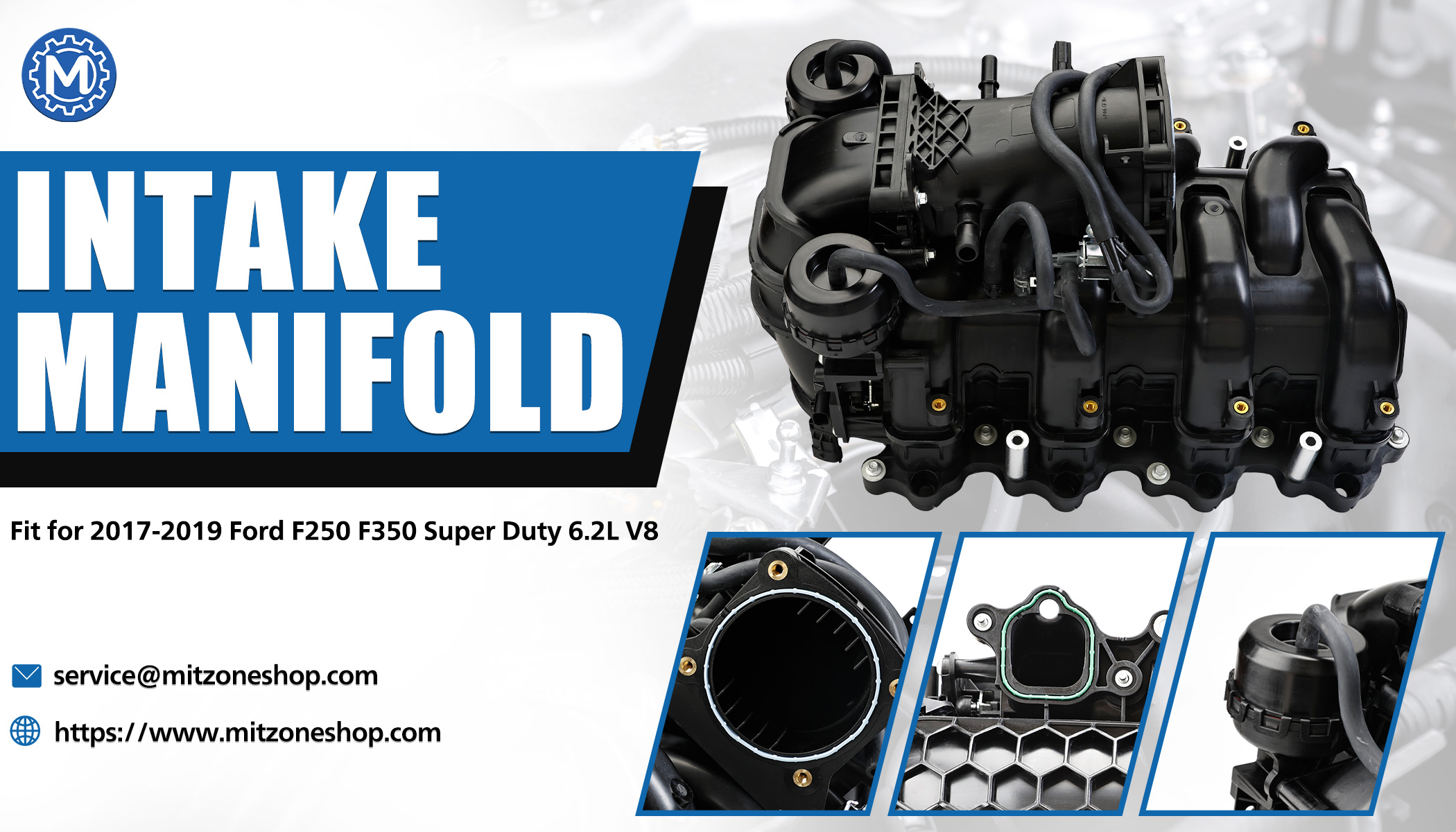
The product described here is an engine intake manifold, or air distribution assembly, for a heavy-duty pickup truck engine. Its role is straightforward: route intake air into the cylinders and provide mounting or connection points for related intake components and hoses. In the example provided, the assembly is noted as fit for 2017-2019 Ford F250 F350 Super Duty 6.2L V8, with reference part numbers HC3Z9424E and HC3Z9424G.
The pictured unit appears to be a complete manifold assembly rather than a bare housing. That is worth paying attention to. A complete assembly can reduce the number of extra steps during installation, but buyers should still confirm what is and is not included. The notes do not verify every subcomponent, so it is safer to treat visible items as visible items, not assumptions.
Key details buyers should compare before ordering
For intake and engine-air parts, the fastest way to avoid a return is to compare a few concrete details before placing the order. Fitment year, engine displacement, and part number are the first three checks. If those line up, then the physical layout becomes the next filter: port count, tube routing, gasket interface, and mounting boss positions.
The visible assembly has a black molded plastic housing with a smooth matte to semi-matte finish. It also shows multi-branch plenum geometry, integrated runners, ports, hose connections, and metal inserts or fasteners. Several curved external tubes or lines are attached. That combination suggests a more integrated design than a simple replacement shell, which may help in service work where the original configuration needs to be preserved.
Practical comparison points
Buyers often compare an aftermarket or direct-factory-style listing against the old part on the bench. That is still one of the best habits in the trade. Look at the flange shape, vacuum or hose ports, the presence of seals or gaskets, and whether the mounting points match the vehicle-side layout. A small mismatch at this stage can become a long afternoon once the truck is half-disassembled.
Why molded plastic manifolds are common in this application
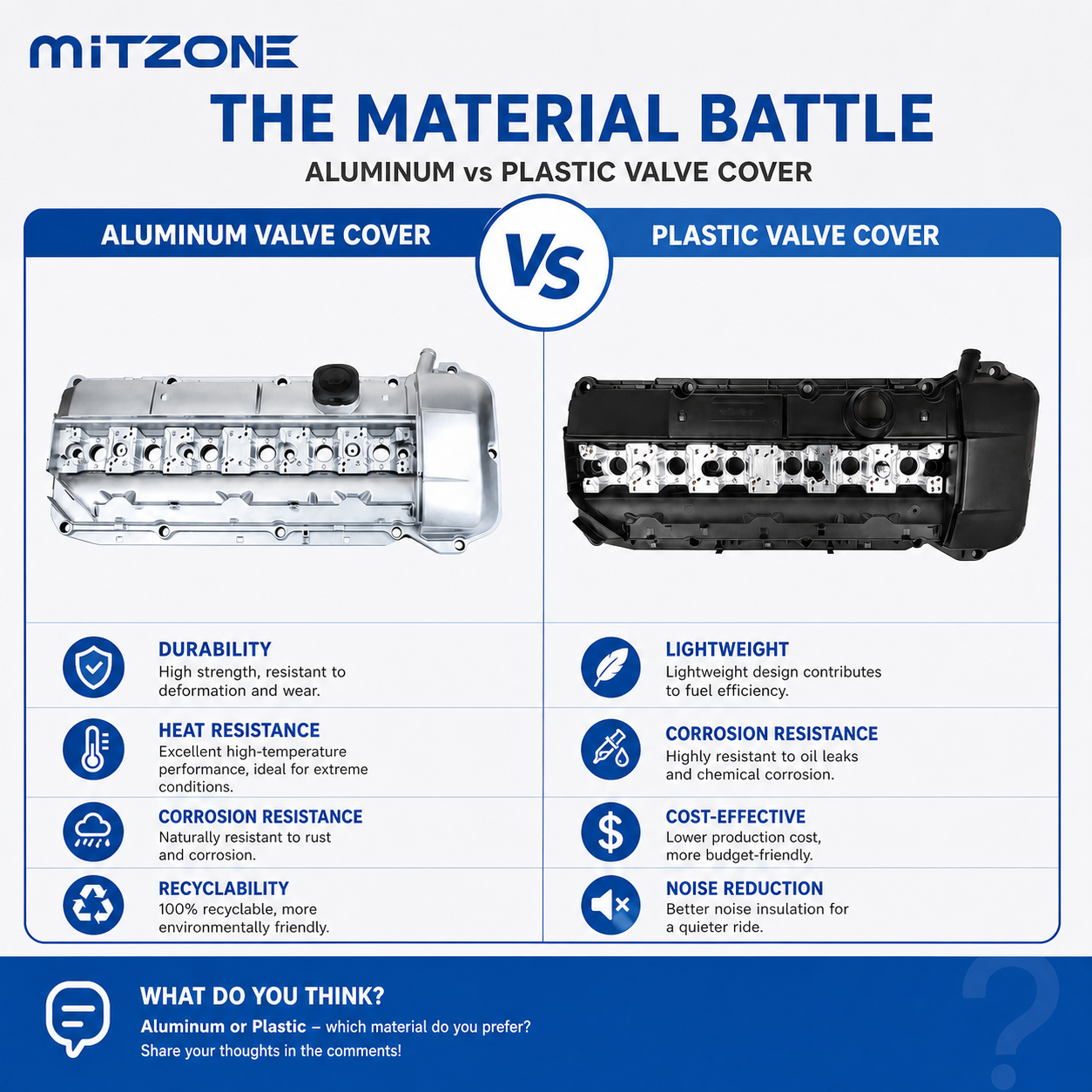
Plastic intake manifolds are widely used because they can offer a practical balance of weight, manufacturability, and part integration. On a heavy-duty truck, reducing mass and combining multiple features into a single molded assembly can simplify packaging. The described unit likely uses an injection-molded process, possibly with molded-in inserts, seals, and hardware assembled afterward. That is a normal approach for modern automotive intake parts, although exact manufacturing details are not visible here.
For buyers, the key point is not the process itself but the consistency of the finished part. A well-made manifold should present clean ports, stable mounting points, and a sealing surface that does its job without drama. If the part includes attached fittings or external lines, confirm whether those are part of the supply scope or only shown in the image.
How sourcing teams should evaluate an intake manifold supplier
A reliable supplier should make fitment easy to verify and should not force the buyer to guess. At minimum, product listings should identify the vehicle application clearly, show the relevant part numbers, and describe the assembly level honestly. If the part is a full assembly, say so. If it is a housing only, say that too.
For OEM car parts, or parts positioned as direct factory auto parts, clarity matters as much as price. Many install issues come from incomplete descriptions rather than defective parts. A supplier that provides clean application data, visible component photos, and straightforward communication usually saves more money than the lowest sticker price on a vague listing.
Common mistakes that create returns
The most common mistake is assuming that all manifold variants for a given engine family are interchangeable. They are not always. Another frequent problem is overlooking attached components in the listing photo and assuming they are included when they may not be. Buyers should also be careful not to rely on appearance alone; the external shape may be close while the port layout differs enough to cause trouble.
There is also a sourcing habit worth avoiding: ordering before checking the exact vehicle fitment and part numbers. In truck repair, that shortcut can be expensive. A few minutes of verification up front is usually cheaper than a remanufactured order cycle, especially when the vehicle is already in service downtime.
What this type of part is typically used for
This kind of manifold assembly is commonly used for replacement in engine intake-system repair, maintenance, or collision and mechanical repair on compatible Ford Super Duty trucks. That makes it relevant to repair shops, fleet maintenance teams, parts distributors, and buyers looking for direct factory auto parts or exportor-supplied components for approved applications.
If you are comparing suppliers, focus on whether they can support repeat ordering, clear application matching, and consistent assembly presentation. Those are the qualities that matter when the job is not a one-off but part of ongoing service demand.
Buyer takeaway
An intake manifold is not a part to source casually. The right supplier should help you verify fitment, understand what is included, and avoid delays caused by misidentified assemblies. For the 2017-2019 Ford F250 and F350 Super Duty 6.2L V8 application noted here, the part numbers HC3Z9424E and HC3Z9424G are the first checkpoints. After that, the rest comes down to honest product description and a clean match between the listed assembly and the vehicle on the lift.
If you are evaluating suppliers for this category, ask for fitment confirmation, assembly details, and clear photo evidence before you place the order. That simple discipline usually separates a useful source from a troublesome one.